
For many women, getting pregnant with PCOS can feel difficult and emotionally exhausting. If medications or simpler fertility treatments are not working, IVF for PCOS may offer a more effective solution.
PCOS (Polycystic Ovary Syndrome) is one of the most common causes of infertility in women. It affects ovulation, hormone balance, and egg release, making natural conception more challenging. Fortunately, modern fertility treatments like IVF have helped many women with PCOS achieve successful pregnancies.
What is IVF for PCOS?
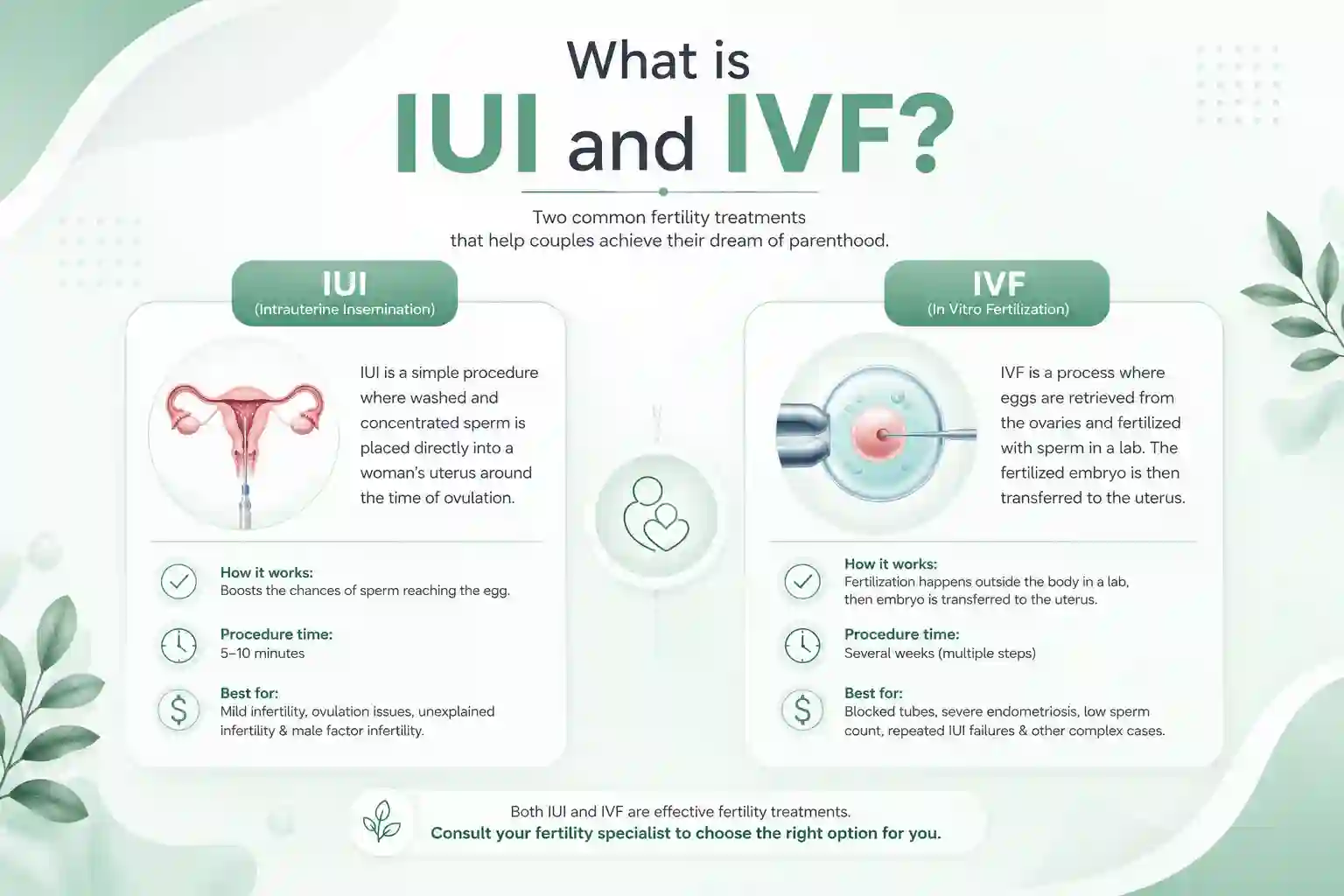
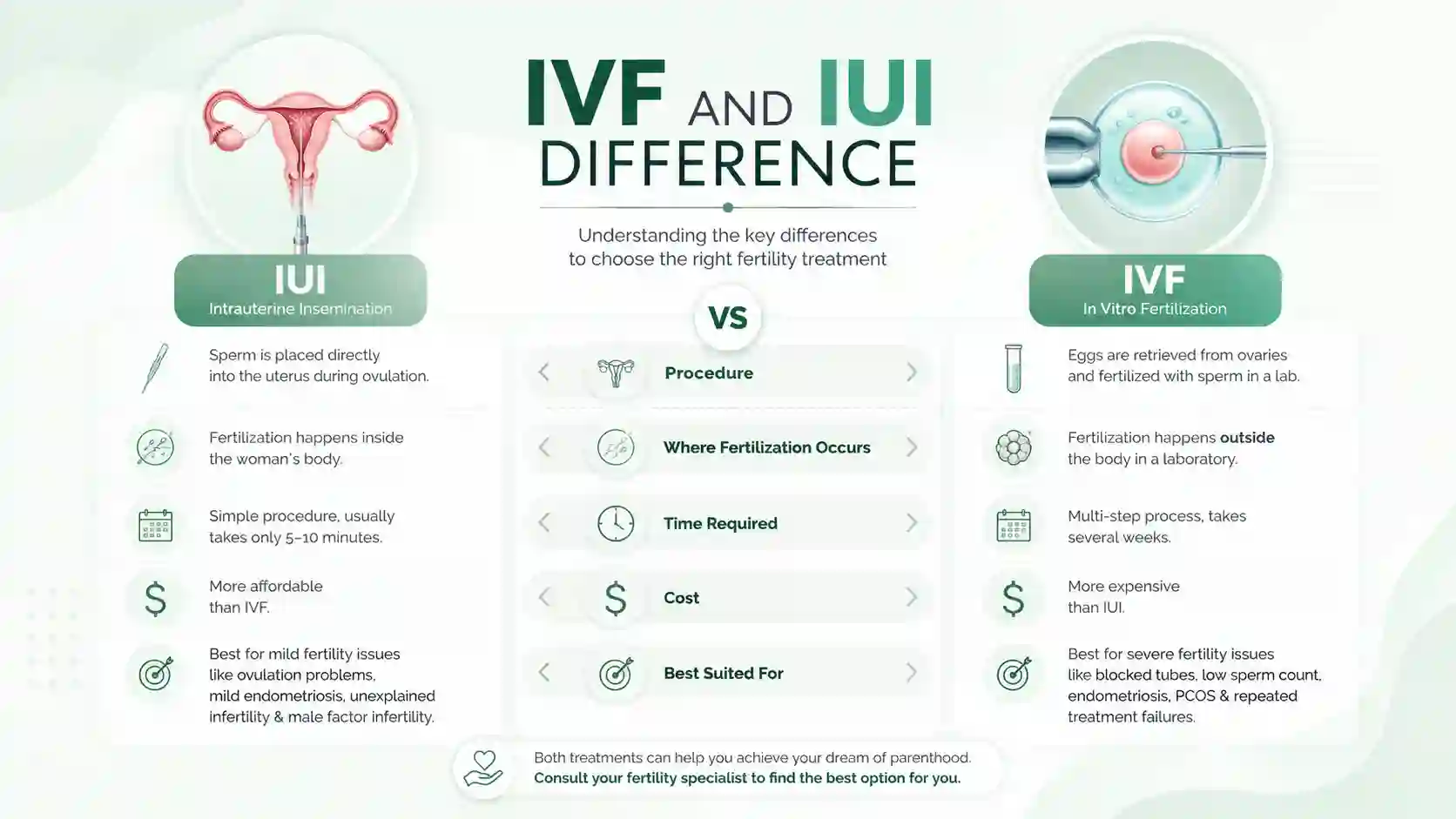
IVF for PCOS refers to using In Vitro Fertilization (IVF) to help women with PCOS become pregnant.
In IVF treatment:
- Hormone medications stimulate the ovaries
- Eggs are collected from the ovaries
- Eggs are fertilized with sperm in a laboratory
- A healthy embryo is transferred into the uterus
This process helps bypass many ovulation-related problems caused by PCOS.
Why Women with PCOS May Need IVF
Many women with PCOS can conceive naturally or with ovulation medications. However, IVF may be recommended when:
- Ovulation medications fail
- Pregnancy does not occur after multiple treatment attempts
- Additional fertility problems are present
- Age is affecting fertility
- There are male infertility factors
IVF offers better control over ovulation and fertilization, which can improve pregnancy chances.
How IVF for PCOS Works
The process of IVF for PCOS is similar to standard IVF but requires careful hormone monitoring because women with PCOS often respond strongly to fertility medications.
Step 1: Fertility Evaluation
Doctors usually perform:
- Hormone blood tests
- Ultrasound scans
- Ovulation assessment
- Semen analysis
This helps create a personalized IVF plan.
Step 2: Ovarian Stimulation
Hormone injections stimulate the ovaries to produce multiple eggs.
Women with PCOS often produce many follicles, so doctors use carefully controlled medication doses to reduce complications.
Step 3: Egg Retrieval
Once the eggs mature, they are collected using a minor procedure performed under sedation.
Step 4: Fertilization
The eggs are fertilized with sperm in the laboratory using IVF or ICSI.
Step 5: Embryo Transfer
A healthy embryo is transferred into the uterus to achieve pregnancy.
IVF for PCOS Success Rate
Women with PCOS often have good IVF success rates because they usually produce a higher number of eggs.
The success of IVF for PCOS depends on factors such as:
- Age
- Egg quality
- Weight and lifestyle
- Hormone balance
- Embryo quality
In many cases, IVF success rates for women with PCOS can range between 40% and 60% per cycle.
Risks of IVF for PCOS
Women with PCOS may have a slightly higher risk of:
Ovarian Hyperstimulation Syndrome (OHSS)
OHSS happens when the ovaries respond too strongly to fertility medications.
Symptoms may include:
- Bloating
- Abdominal discomfort
- Swelling
Doctors monitor PCOS patients carefully to reduce this risk.
How to Improve IVF Success with PCOS
You may improve IVF outcomes by:
- Maintaining a healthy weight
- Eating a balanced diet
- Managing insulin resistance
- Exercising regularly
- Avoiding smoking and alcohol
- Following medical instructions carefully
Lifestyle changes can positively affect hormone balance and fertility.
When to See a Fertility Specialist
You should consider speaking with a fertility doctor if:
- You have PCOS and irregular ovulation
- You’ve been trying to conceive for over a year
- Ovulation medications are not working
- You are over 35 and trying for 6 months
Early fertility treatment can improve your chances of pregnancy.
IVF for PCOS has helped many women overcome infertility and achieve successful pregnancies. With proper medical care, hormone monitoring, and lifestyle management, IVF can be a highly effective treatment option for women with PCOS.
Consulting an experienced fertility specialist is the best way to understand your fertility condition and create the right treatment plan.
FAQs About IVF for PCOS
Can women with PCOS get pregnant through IVF?
Yes, IVF is highly effective for many women with PCOS.
What is the success rate of IVF for PCOS?
Success rates can range between 40% and 60% depending on individual factors.
Is IVF risky for women with PCOS?
There is a higher risk of OHSS, but doctors monitor patients carefully.
Can PCOS affect egg quality?
In some cases, yes, but many women with PCOS still produce healthy eggs.
Is IVF the first treatment for PCOS infertility?
Usually no, doctors often try ovulation medications first.