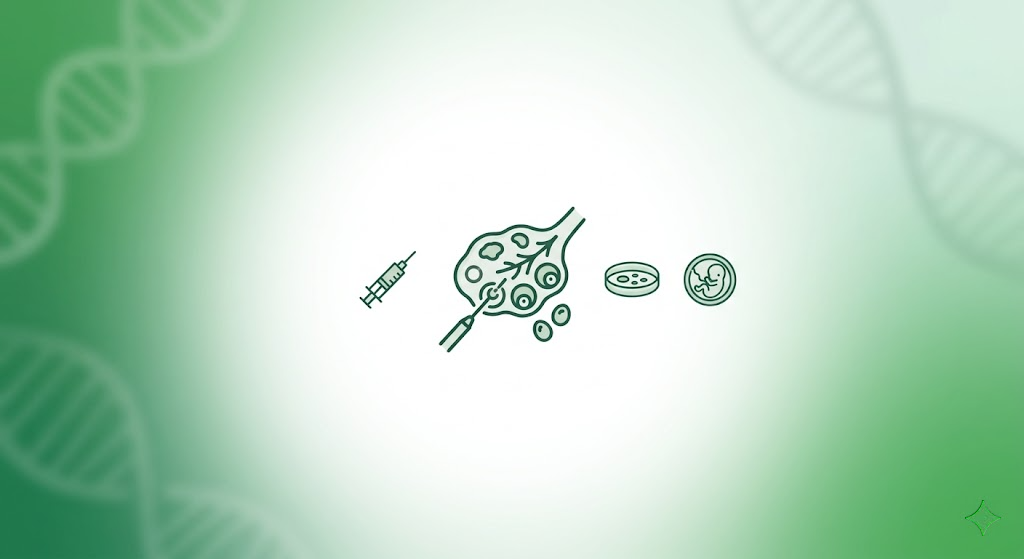
If you’re preparing for fertility treatment, you may be wondering: “What happens during egg retrieval?”
The egg retrieval IVF process is a key step where mature eggs are collected from the ovaries for fertilization. While it sounds intimidating, it’s a quick and carefully monitored procedure.
What is the Egg Retrieval IVF Process?
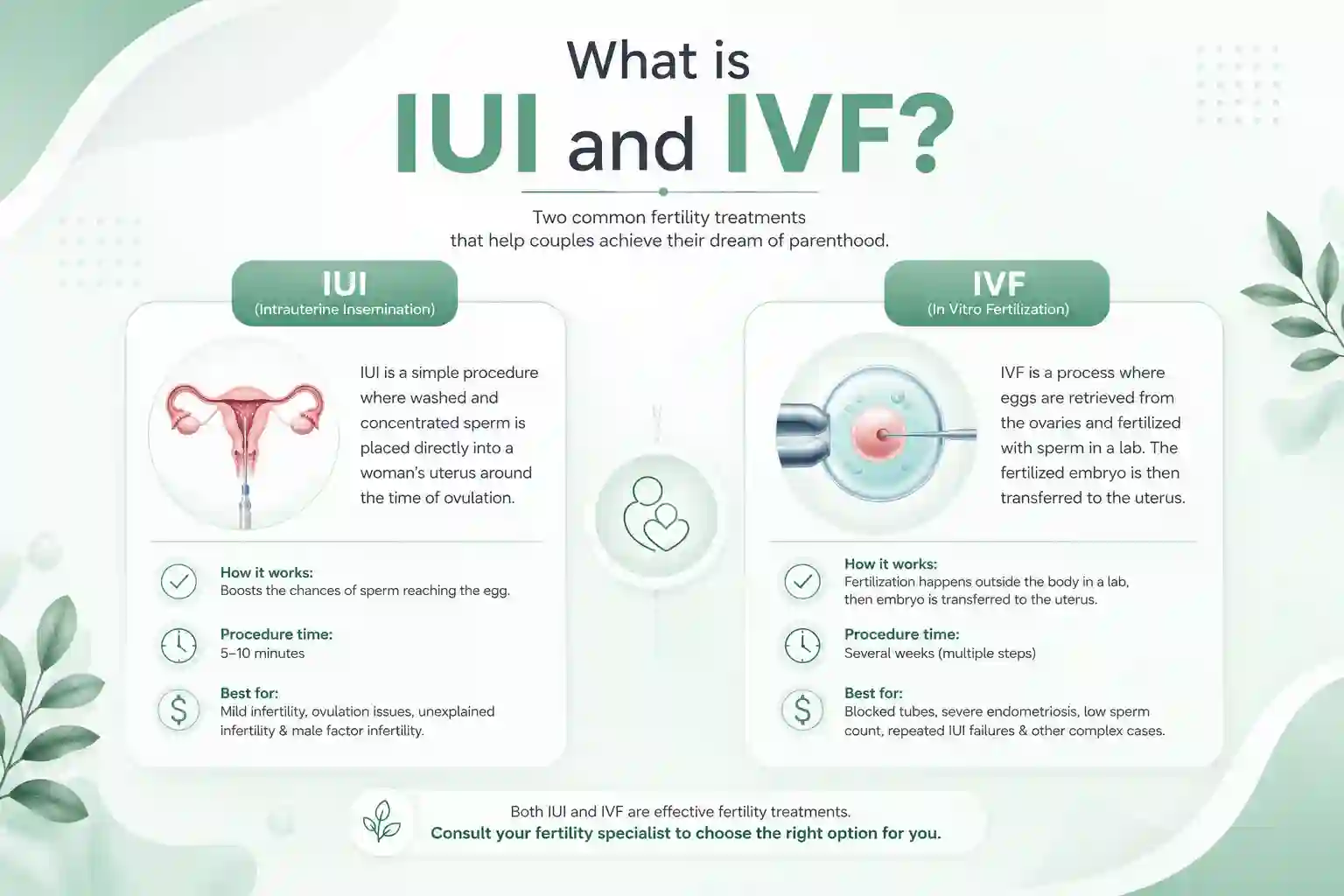
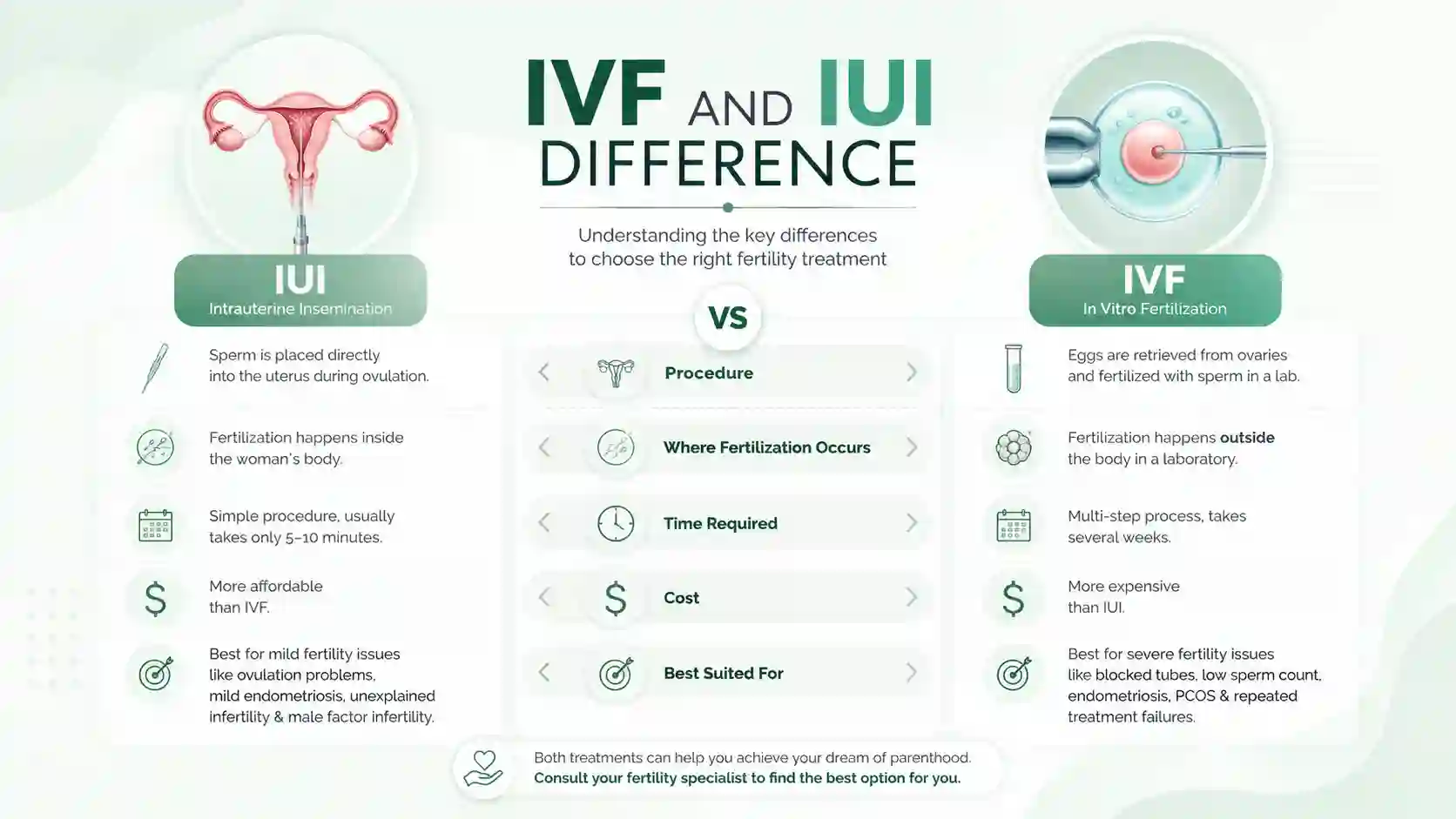
The egg retrieval IVF process is a minor medical procedure performed during IVF to collect eggs from the ovaries after stimulation.
These eggs are then used in the lab to create embryos.
Why Egg Retrieval is Important in IVF
Egg retrieval is essential because:
- It collects the eggs needed for fertilization
- It determines the number of embryos that can be created
- It directly impacts IVF success chances
More healthy eggs often improve the chances of pregnancy.
Egg Retrieval IVF Process: Step by Step
Here’s how the egg retrieval IVF process works:
1. Ovarian Stimulation (Before Retrieval)
Before retrieval:
- Hormone injections are given for 8–14 days
- Multiple eggs develop in the ovaries
- Ultrasounds monitor growth
2. Trigger Injection
A final injection is given:
- Helps eggs mature
- Timing is very precise (usually 34–36 hours before retrieval)
3. Egg Retrieval Procedure
This is the main step.
What happens:
- Done under sedation (you won’t feel pain)
- A thin needle is guided through the vaginal wall
- Eggs are collected from follicles
Time required:
- About 15–20 minutes
4. After the Procedure
After egg retrieval:
- You rest for a few hours
- Mild cramping or spotting may occur
- Most patients go home the same day
5. Lab Process
Immediately after retrieval:
- Eggs are examined in the lab
- Fertilization begins using sperm
Is Egg Retrieval Painful?
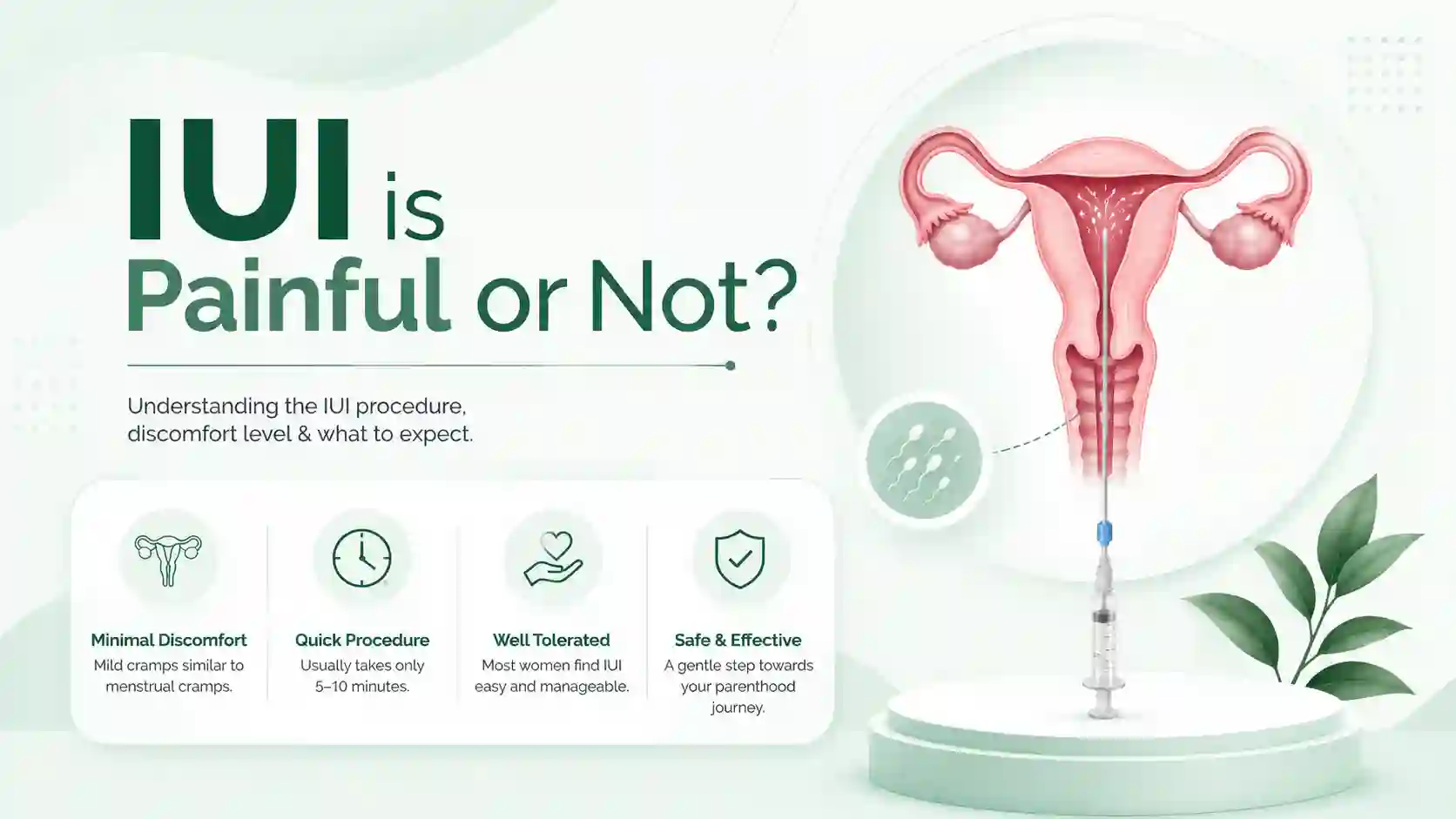
The egg retrieval IVF process is not painful during the procedure because of sedation.
Afterward, you may feel:
- Mild cramping
- Bloating
- Slight discomfort
Most patients describe it as similar to period pain.
Recovery After Egg Retrieval
Recovery is usually quick:
- Rest for the day of procedure
- Resume normal activities within 24–48 hours
- Drink plenty of fluids
- Avoid heavy exercise temporarily
Risks of Egg Retrieval
The egg retrieval IVF process is safe, but rare risks include:
- Infection
- Bleeding
- Ovarian hyperstimulation
Doctors monitor closely to minimize these risks.
Tips for a Smooth Egg Retrieval
- Follow medication timing strictly
- Arrive on time for the procedure
- Arrange someone to accompany you
- Follow post-procedure instructions
When to Contact Your Doctor
Call your doctor if you experience:
- Severe abdominal pain
- Heavy bleeding
- Fever
- Rapid swelling
Early care ensures safety.
The egg retrieval IVF process is a crucial and carefully managed step in fertility treatment. While it may sound complex, it is quick, safe, and usually involves only mild discomfort.
Understanding the process can help you feel more confident and prepared. A fertility specialist will guide you through each step to ensure the best possible outcome.
FAQs About Egg Retrieval IVF Process
How long does egg retrieval take?
About 15–20 minutes.
Is egg retrieval painful?
No, it is done under sedation. Mild discomfort may occur afterward.
How many eggs are collected?
It varies, but typically 8–15 eggs.
How long is recovery after egg retrieval?
Usually 1–2 days.
Can I go home the same day?
Yes, most patients are discharged within a few hours.