
If you’re preparing for In Vitro Fertilization (IVF), you’ll likely receive several fertility injections throughout your treatment cycle. Many patients search for IVF injections names to better understand the medications used during IVF and why each one is necessary.
IVF injections are used to stimulate the ovaries, prevent premature ovulation, trigger final egg maturation, and support the uterine lining after embryo transfer. The exact medications prescribed vary depending on your age, ovarian reserve, hormone levels, medical history, and your fertility specialist’s treatment protocol.
This guide explains the most common IVF injections names, their purpose, how they work, and what you can expect during treatment.
Why Are IVF Injections Needed?
IVF injections help:
- Stimulate multiple eggs to mature
- Prevent premature ovulation
- Trigger final egg maturation before egg retrieval
- Support implantation and early pregnancy
- Improve control over the IVF treatment cycle
Not every patient receives the same medications or doses.
Common IVF Injections Names
1. Follicle-Stimulating Hormone (FSH) Injections
These medications stimulate the ovaries to produce multiple mature follicles.
Common IVF injections names in this category include:
- Gonal-F®
- Follistim® (Puregon® in some countries)
- Bemfola®
- Ovaleap®
These are among the most frequently prescribed IVF stimulation injections.
2. Human Menopausal Gonadotropin (hMG)
These injections contain both FSH and luteinizing hormone (LH).
Common examples include:
- Menopur®
- Merional®
They may be recommended depending on your ovarian response and treatment protocol.
3. GnRH Antagonist Injections
These medications prevent premature ovulation during ovarian stimulation.
Common injection names include:
- Cetrotide® (cetrorelix)
- Ganirelix®
These drugs help ensure eggs are retrieved before natural ovulation occurs.
4. GnRH Agonist Injections
Some IVF protocols use GnRH agonists to suppress natural hormone production before stimulation or as a trigger in selected patients.
Examples include:
- Lupron® (leuprolide)
- Decapeptyl® (triptorelin)
Your fertility specialist will determine whether this protocol is appropriate.
5. hCG Trigger Injection
The trigger injection helps mature the eggs before retrieval.
Common names include:
- Ovidrel®
- Pregnyl®
- Novarel®
Egg retrieval is usually scheduled 34–36 hours after the trigger injection.
6. Progesterone Injections
Progesterone supports the uterine lining after embryo transfer.
Common medications include:
- Progesterone in Oil (PIO)
- Hydroxyprogesterone (in selected situations)
Some patients may receive vaginal progesterone instead of injections, depending on their treatment plan.
Typical IVF Injection Timeline
Although protocols vary, a typical IVF cycle may include:
Ovarian Stimulation (Days 2–12)
- FSH injections
- hMG injections (if prescribed)
Ovulation Suppression
- GnRH antagonist injections
- GnRH agonist injections (depending on protocol)
Final Egg Maturation
- hCG trigger injection
- GnRH agonist trigger (in selected patients)
After Egg Retrieval
- Progesterone support
- Additional hormone medications when necessary
Your fertility specialist will customize the schedule based on your response to treatment.
How Are IVF Injections Given?
Most IVF injections are administered:
- Under the skin (subcutaneous injections), or
- Into a muscle (intramuscular injections), depending on the medication
Your fertility clinic will teach you how to administer the injections safely at home if needed.
Common Side Effects of IVF Injections
Most side effects are mild and temporary.
Possible side effects include:
- Mild injection site pain
- Bruising
- Bloating
- Breast tenderness
- Mood changes
- Headache
- Fatigue
- Mild abdominal discomfort
Serious complications, such as Ovarian Hyperstimulation Syndrome (OHSS), are uncommon but require prompt medical attention.
Benefits of IVF Injections
IVF injections help:
- Stimulate multiple egg development
- Improve timing of egg retrieval
- Support embryo implantation
- Increase treatment control
- Optimize the IVF process for individual patients
Risks, Side Effects, or Limitations
Although IVF medications are generally safe when used under medical supervision, patients should understand that:
- Medication doses differ for every patient
- Side effects vary from person to person
- IVF injections cannot guarantee pregnancy
- Close monitoring with ultrasound and blood tests is important throughout treatment
Always use IVF medications exactly as prescribed by your fertility specialist.
Factors Affecting Medication Choice
Female Age
Age influences ovarian response and medication requirements.
Ovarian Reserve
Hormone levels and ultrasound findings help determine the stimulation protocol.
Previous IVF Response
Past treatment outcomes may guide future medication choices.
Fertility Diagnosis
The cause of infertility influences the IVF protocol.
Risk of OHSS
Patients at higher risk may receive modified medication protocols to reduce complications.
Emotional & Patient Perspective
Many people feel nervous when they first learn they need daily IVF injections. Concerns about needles, side effects, or giving injections at home are common.
Fortunately, most patients become comfortable with the routine after a few days. Fertility clinics provide detailed instructions and support throughout treatment. Understanding the different IVF injections names and their purpose can make the process feel less overwhelming.
Remember that the medication schedule is carefully designed for your individual needs, and your healthcare team will monitor your progress closely.
Tips During IVF Injections
- Take medications at the same time each day
- Store medications according to the manufacturer’s instructions
- Rotate injection sites when appropriate
- Follow your treatment calendar carefully
- Attend all monitoring appointments
- Contact your fertility clinic if you miss a dose or experience severe side effects
When to Contact Your Fertility Specialist
Seek medical advice immediately if you experience:
- Severe abdominal pain
- Rapid abdominal swelling
- Difficulty breathing
- Persistent vomiting
- Heavy bleeding
- Severe allergic reactions
These symptoms require prompt evaluation.
Understanding IVF injections names can help you feel more confident and prepared throughout your fertility treatment journey. Common IVF medications include FSH injections such as Gonal-F® and Follistim®, hMG medications like Menopur®, GnRH antagonists such as Cetrotide® and Ganirelix®, GnRH agonists like Lupron®, hCG trigger injections including Ovidrel® and Pregnyl®, and progesterone support after embryo transfer.
Because every patient’s fertility journey is unique, medication choices, dosages, and schedules should always be determined and monitored by a qualified fertility specialist.
FAQs About IVF Injection Names
1. What are the most common IVF injections?
Common IVF injections names include Gonal-F®, Follistim® (Puregon®), Menopur®, Cetrotide®, Ganirelix®, Ovidrel®, Pregnyl®, Lupron®, and progesterone injections.
2. Why are IVF injections necessary?
They stimulate egg development, prevent premature ovulation, trigger final egg maturation, and support implantation after embryo transfer.
3. Are all IVF injections given every day?
No. Some injections are taken daily during ovarian stimulation, while others are given only once or for a limited period depending on the treatment protocol.
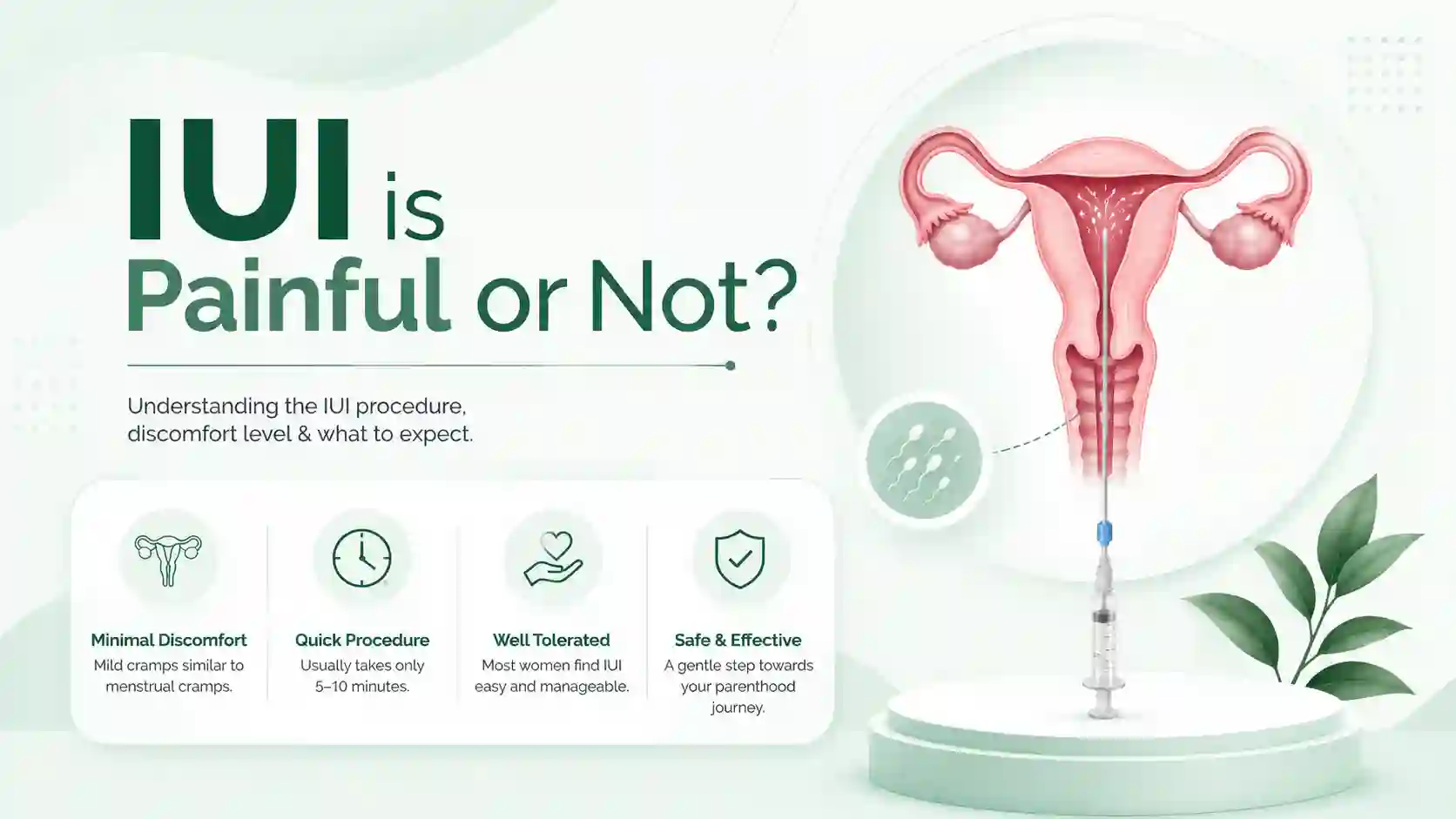
4. Are IVF injections painful?
Most patients experience only mild discomfort, although injection site soreness or bruising can occur.
5. Can I administer IVF injections at home?
Yes. Many IVF injections are designed for self-administration after receiving proper instruction from your fertility clinic.
6. What is the trigger injection in IVF?
The trigger injection, commonly containing hCG or a GnRH agonist, helps mature the eggs before retrieval. Egg collection is usually scheduled about 34–36 hours later.
7. Do all IVF patients receive the same injections?
No. Medication type, dosage, and timing are personalized based on age, ovarian reserve, hormone levels, medical history, and the fertility specialist’s treatment plan.