For couples struggling with infertility, advanced reproductive treatments like ICSI IVF have created new possibilities for achieving pregnancy. ICSI is one of the most commonly used fertility techniques, especially in cases of male infertility.
Understanding how ICSI IVF works can help patients feel more informed and prepared before starting treatment.
What Is ICSI IVF?
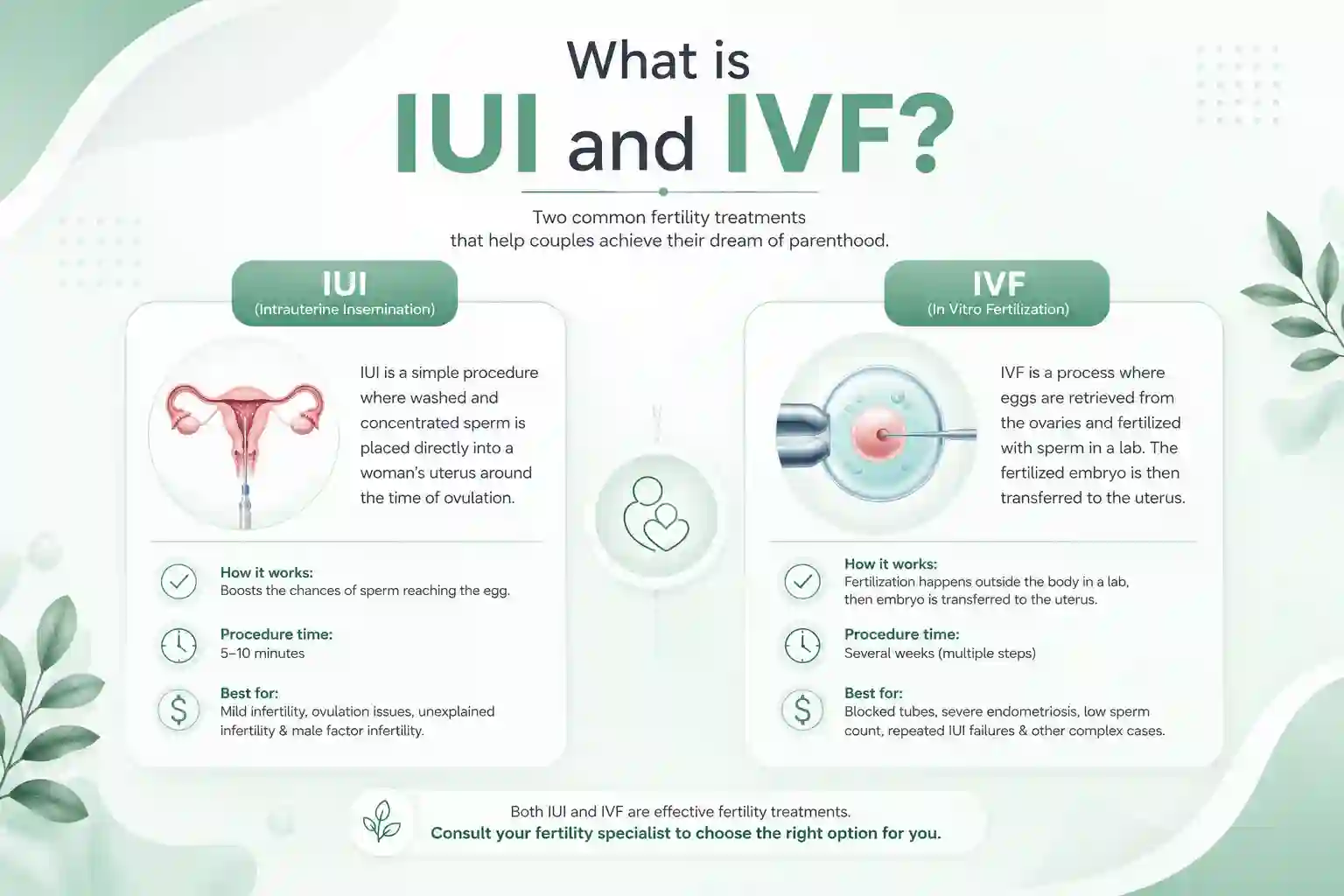
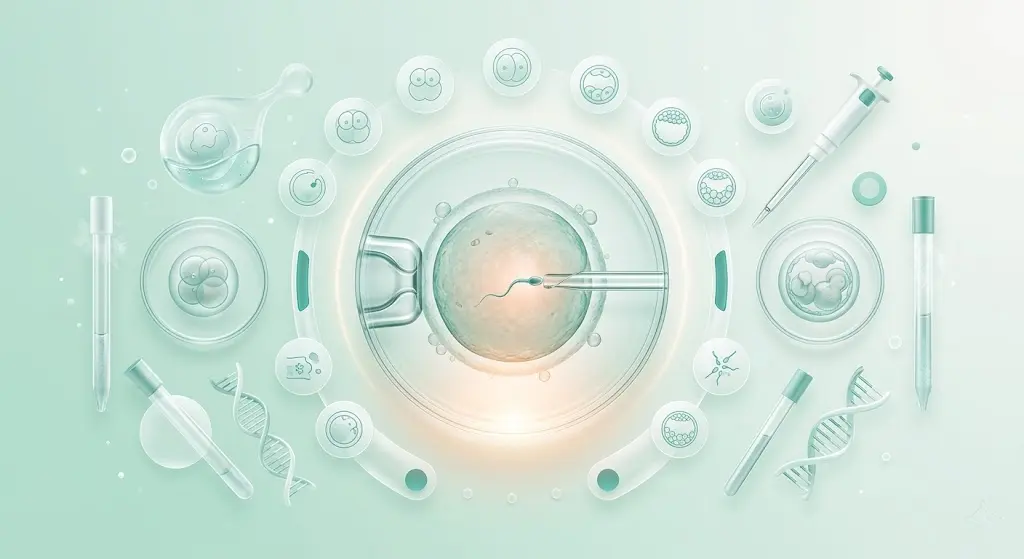
ICSI IVF stands for Intracytoplasmic Sperm Injection combined with In Vitro Fertilization (IVF).
In a standard IVF procedure:
- Eggs and sperm are placed together in a laboratory dish for natural fertilization.
In ICSI IVF:
- A single healthy sperm is injected directly into an egg using specialized laboratory equipment.
This technique is designed to improve fertilization chances in difficult infertility cases.
Why Is ICSI IVF Done?
Doctors often recommend ICSI IVF for couples facing male infertility problems or previous fertilization failure.
Common reasons include:
- Low sperm count
- Poor sperm motility
- Abnormal sperm shape
- Previous failed IVF fertilization
- Surgically retrieved sperm (TESA/PESA)
ICSI may also be recommended in unexplained infertility cases.
How ICSI IVF Works
The ICSI IVF process includes several carefully planned stages.
1. Ovarian Stimulation
The female partner receives hormone injections to stimulate the ovaries to produce multiple eggs.
Doctors monitor:
- Follicle growth
- Hormone levels
- Egg development
2. Egg Retrieval
Once the eggs mature:
- They are collected using a minor procedure performed under sedation.
3. Sperm Collection
Sperm is collected from the male partner or donor.
In some cases:
- Surgical sperm retrieval techniques are used.
4. ICSI Fertilization
An embryologist selects a healthy sperm and injects it directly into the egg using microscopic equipment.
This is the key difference between standard IVF and ICSI IVF.
5. Embryo Development
Fertilized eggs develop into embryos inside the laboratory.
Embryos are monitored for:
- Growth
- Quality
- Cell division
6. Embryo Transfer
A healthy embryo is transferred into the uterus to achieve pregnancy.
ICSI IVF Success Rate
The success rate of ICSI IVF depends on several factors:
- Female age
- Egg quality
- Embryo quality
- Overall reproductive health
ICSI often improves fertilization rates in male infertility cases. However, pregnancy success still depends heavily on embryo quality and uterine health.
Younger patients generally have higher IVF success rates.
Benefits of ICSI IVF
ICSI IVF offers several advantages:
- Helps severe male infertility cases
- Improves fertilization chances
- Useful after failed IVF cycles
- Works with surgically retrieved sperm
This technique has helped many couples achieve successful pregnancies.
Risks and Side Effects of ICSI IVF
ICSI IVF is generally safe, but some risks may include:
- Mild bloating
- Cramping
- Hormonal side effects from medications
- Emotional stress during treatment
Rare IVF complications like OHSS may also occur.
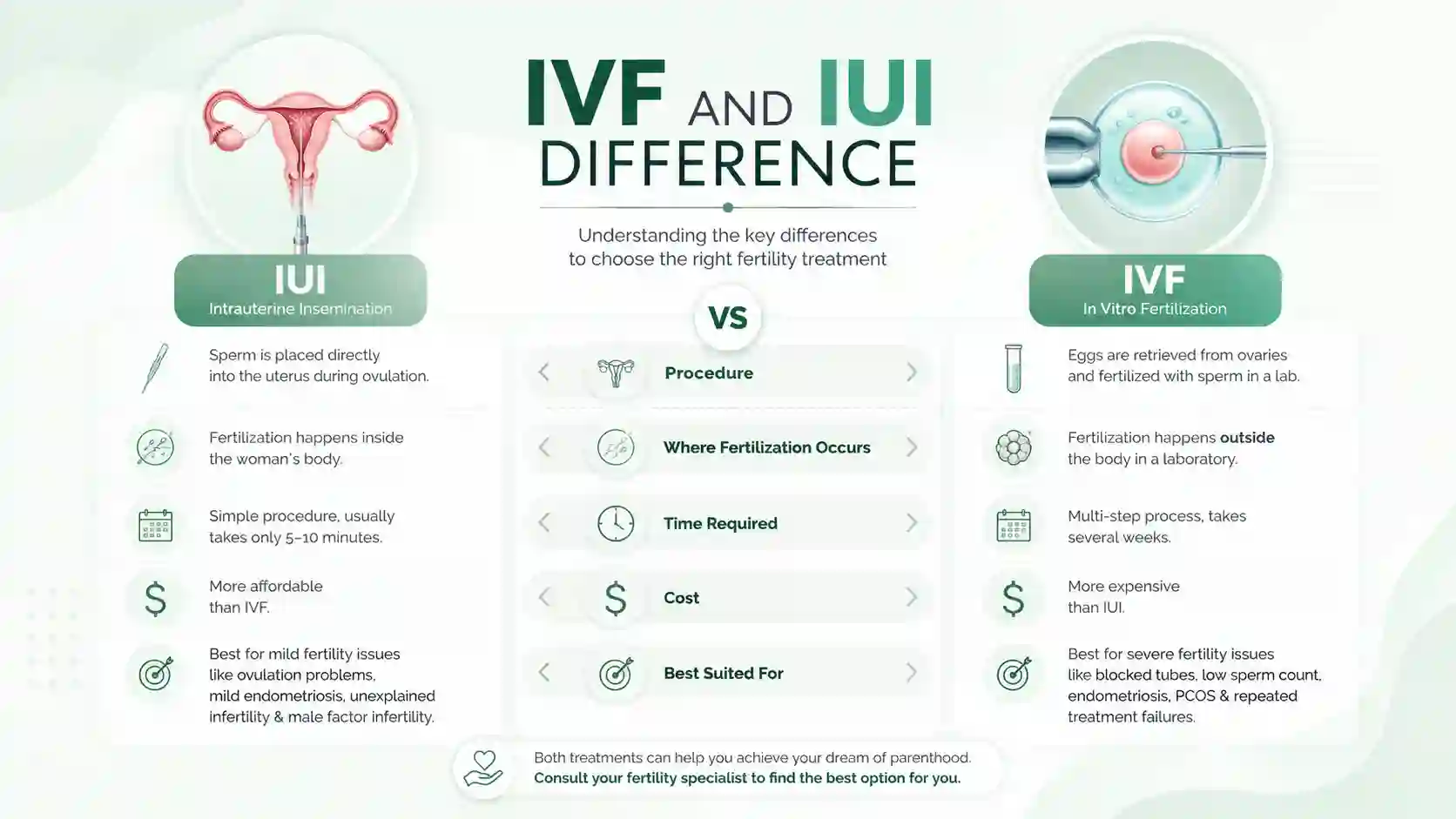
Difference Between IVF and ICSI IVF
The main difference is how fertilization happens.
Standard IVF
- Sperm fertilizes the egg naturally in the laboratory.
ICSI IVF
- One sperm is injected directly into the egg.
ICSI is usually recommended when sperm-related infertility exists.
Emotional Support During ICSI IVF
Fertility treatment can be emotionally demanding.
Many patients experience:
- Anxiety during treatment
- Stress during the waiting period
- Fear of treatment failure
Counseling and emotional support often help patients cope better throughout the IVF journey.
When to Consult a Fertility Specialist
You should consider fertility evaluation if:
- You’ve been trying to conceive for over one year
- Male infertility factors are present
- Previous IVF cycles failed
- You’re over 35 and trying for 6 months
Early fertility diagnosis may improve treatment outcomes.
ICSI IVF is an advanced fertility treatment that has helped many couples overcome infertility, especially male factor infertility. By directly injecting sperm into the egg, ICSI improves fertilization chances and offers hope for couples facing difficult fertility problems.
Consulting an experienced fertility specialist can help determine whether ICSI IVF is the right treatment option for your fertility journey.
FAQs About ICSI IVF
What is ICSI IVF?
It is an IVF technique where one sperm is injected directly into an egg.
Why is ICSI IVF used?
Mostly for male infertility or failed fertilization cases.
Is ICSI more successful than IVF?
It may improve fertilization in male infertility cases.
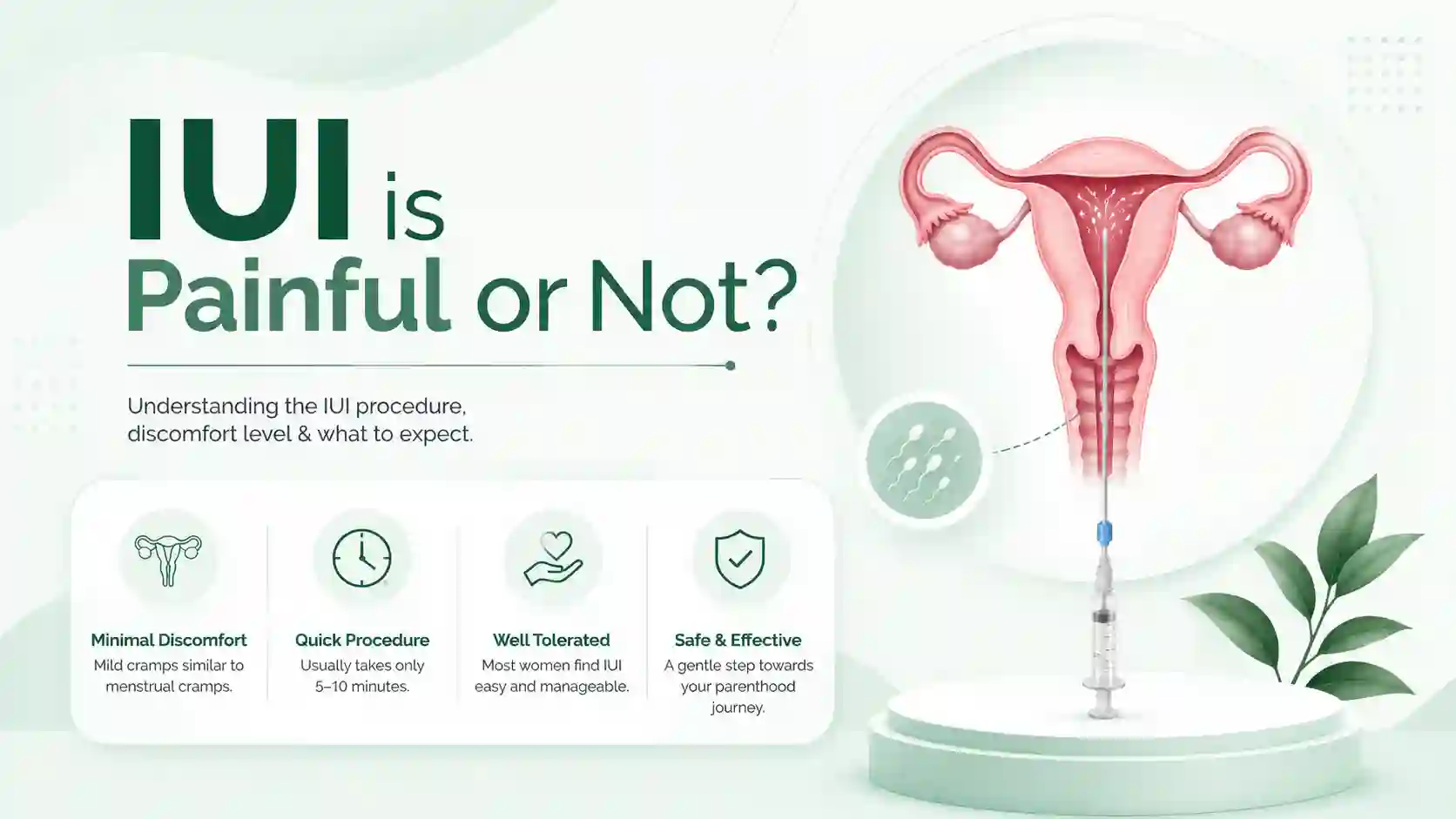
Is ICSI IVF painful?
Most procedures involve only mild discomfort.
Can ICSI guarantee pregnancy?
No, but it can improve fertilization chances.