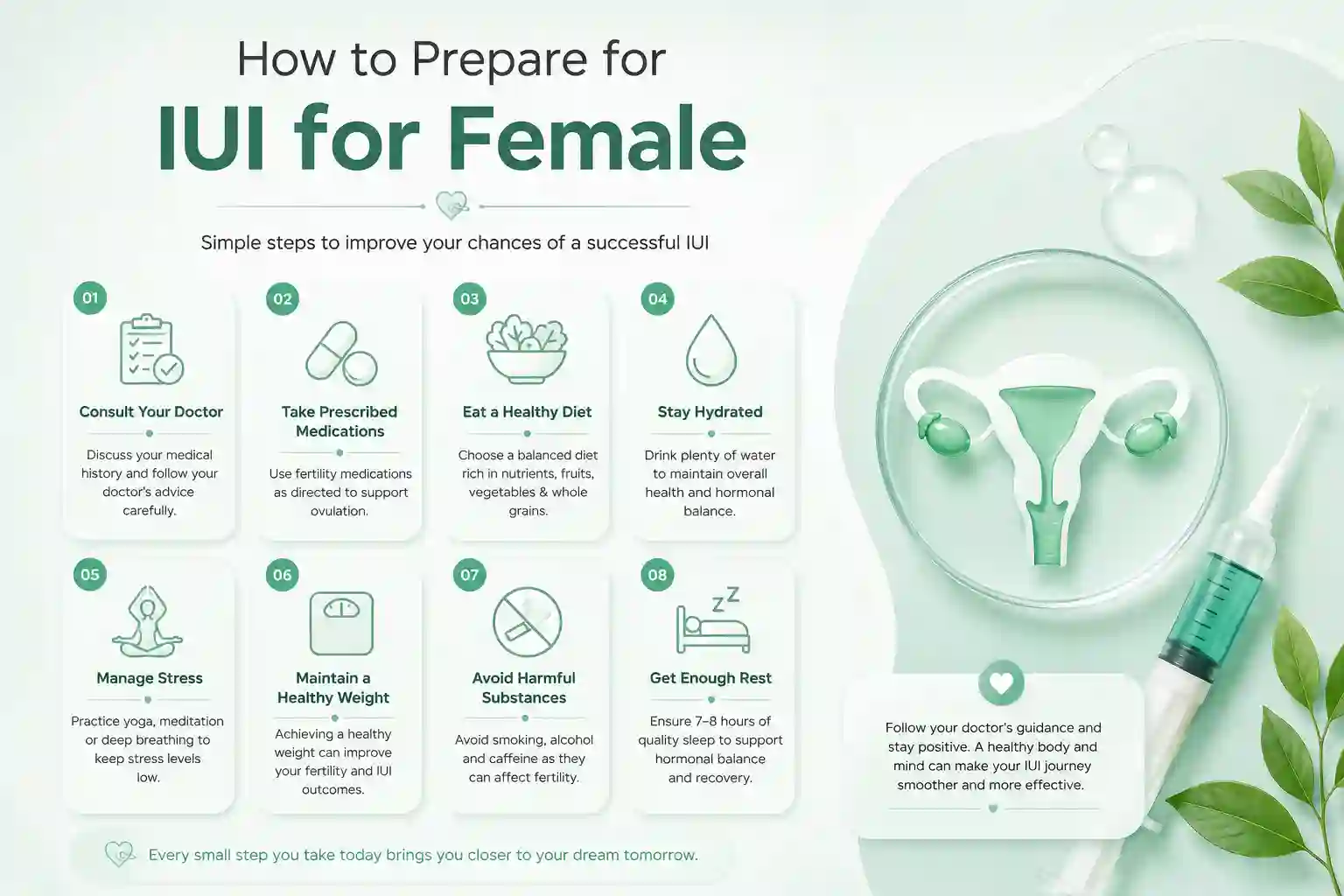
If you’re planning to undergo Intrauterine Insemination (IUI), knowing how to prepare for IUI for female patients can help you feel more confident and ready for the procedure. While IUI is a relatively simple and minimally invasive fertility treatment, proper preparation may help optimize your chances of success and ensure the treatment process goes as smoothly as possible.
Preparation involves more than simply arriving for the procedure. Your fertility specialist may recommend medical evaluations, ovulation monitoring, lifestyle modifications, nutritional support, and medications based on your individual fertility diagnosis.
This guide explains how to prepare for IUI for female patients, including what to do before treatment, lifestyle recommendations, and what to expect on the day of the procedure.
Why Preparation Is Important Before IUI
Preparing for IUI helps your fertility team:
- Determine whether IUI is an appropriate treatment.
- Identify the best time for insemination.
- Optimize ovulation.
- Address any underlying health concerns.
- Maximize the chances of pregnancy.
Every treatment plan is individualized based on age, medical history, and the cause of infertility.
Medical Evaluation Before IUI
Before starting treatment, your fertility specialist may recommend:
- Medical history review
- Physical examination
- Pelvic ultrasound
- Hormone blood tests
- Ovarian reserve assessment
- Fallopian tube evaluation (such as a hysterosalpingogram, or HSG)
- Screening for infectious diseases, when appropriate
These tests help confirm that IUI is a suitable option.
Track Your Ovulation
Correct timing is one of the most important factors in IUI success.
Your fertility clinic may monitor ovulation using:
- Ultrasound scans
- Blood hormone tests
- Ovulation predictor kits (OPKs)
Some patients also receive an hCG trigger injection to help schedule insemination at the optimal time.
Take Medications as Prescribed
Depending on your fertility diagnosis, your healthcare provider may prescribe:
- Ovulation induction medications
- Hormonal support medications
- Trigger injection
- Progesterone supplementation after IUI
Take all medications exactly as instructed, and never start or stop medication without consulting your fertility specialist.
Eat a Balanced, Nutritious Diet
Although no specific diet guarantees pregnancy, maintaining good nutrition supports overall reproductive health.
A balanced diet may include:
- Fruits and vegetables
- Whole grains
- Lean protein
- Healthy fats
- Dairy or calcium-rich alternatives
- Adequate water intake
Ask your healthcare provider whether you should begin taking a prenatal vitamin containing folic acid before treatment.
Maintain a Healthy Lifestyle
Healthy habits before IUI may support overall fertility.
Consider:
- Achieving or maintaining a healthy body weight.
- Exercising regularly with moderate activity.
- Getting adequate sleep.
- Managing stress through relaxation techniques or mindfulness.
- Avoiding smoking and recreational drugs.
- Limiting or avoiding alcohol, based on your healthcare provider’s advice.
Prepare for the Day of the Procedure
On the day of IUI:
- Arrive on time for your appointment.
- Wear comfortable clothing.
- Follow any instructions provided by your clinic regarding eating, drinking, or bladder fullness.
- Bring identification and any required paperwork.
- Ask questions if anything about the procedure is unclear.
The IUI procedure usually takes only a few minutes and generally does not require anesthesia.
What Happens During IUI?
During the procedure:
- A speculum is inserted into the vagina.
- A thin catheter passes gently through the cervix.
- Washed, motile sperm are placed directly into the uterus.
- The catheter is removed.
- You may rest briefly before leaving the clinic.
Most people can resume normal daily activities shortly afterward unless advised otherwise.
Benefits of Preparing for IUI
Good preparation may help:
- Ensure accurate timing of insemination.
- Improve adherence to your treatment plan.
- Reduce anxiety by understanding the process.
- Identify and address medical conditions that could affect fertility.
- Support overall reproductive health.
While preparation is important, it cannot guarantee pregnancy.
Risks, Side Effects, or Limitations
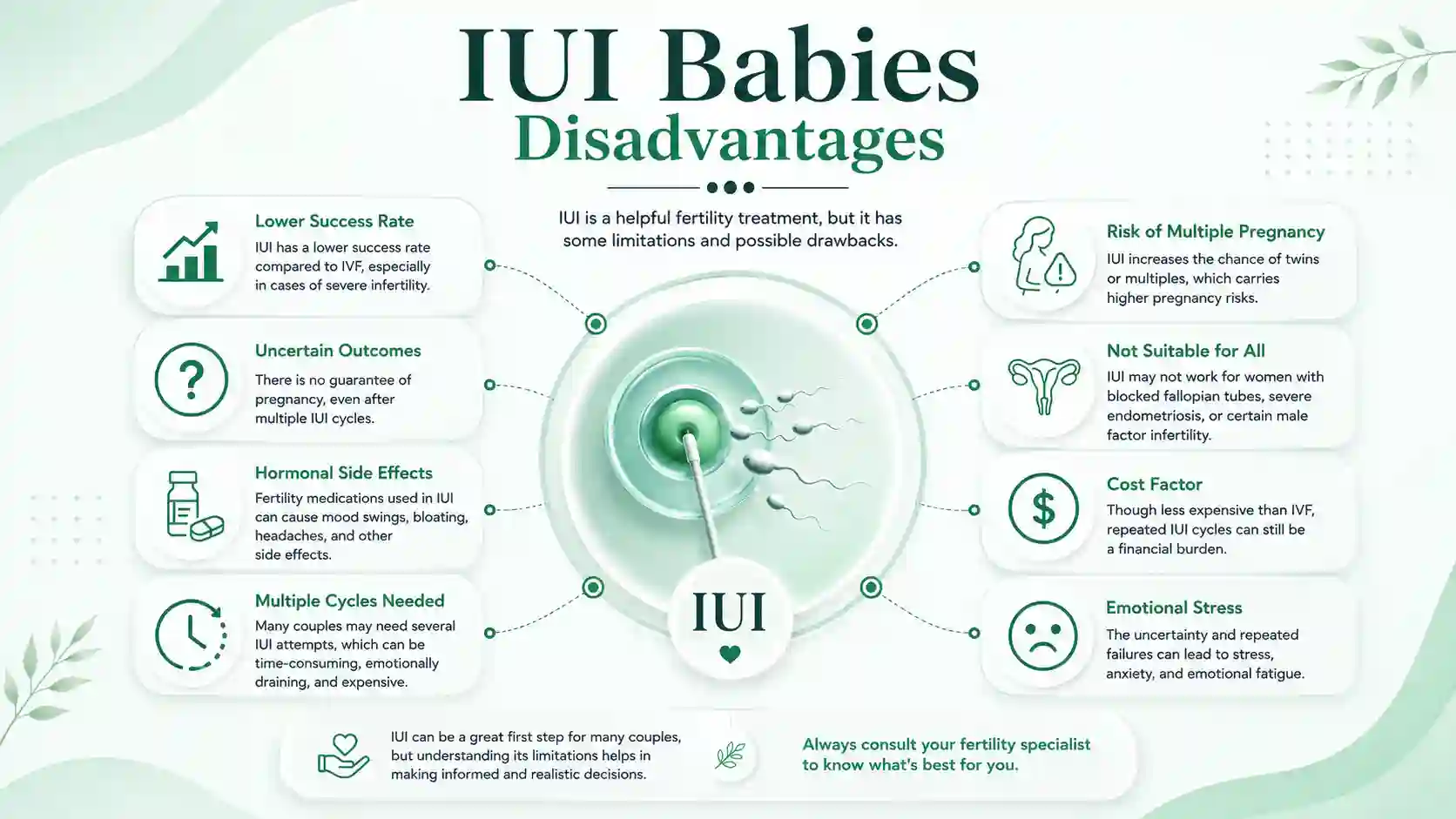
Although IUI is generally considered safe, you should be aware that:
- Pregnancy cannot be guaranteed.
- Success depends on many factors beyond preparation.
- Mild cramping or light spotting may occur after the procedure.
- Fertility medications may increase the chance of multiple pregnancy.
- Some individuals may require several IUI cycles or alternative treatments.
Factors Affecting IUI Success
Several factors influence pregnancy outcomes after IUI.
Female Age
Egg quality and ovarian reserve generally decline with age.
Ovulation Timing
Accurate timing of insemination is essential.
Sperm Quality
Healthy sperm count, motility, and morphology contribute to successful fertilization.
Fallopian Tube Health
At least one open, healthy fallopian tube is generally required.
Underlying Fertility Diagnosis
Conditions such as unexplained infertility, ovulation disorders, mild male factor infertility, or endometriosis may affect success rates.
Emotional & Patient Perspective
Preparing for IUI can bring a mix of hope, excitement, and anxiety. It’s normal to have questions about whether you’re doing everything possible to improve your chances. Remember that fertility treatment is a partnership between you and your healthcare team. Following your treatment plan, maintaining healthy habits, and keeping realistic expectations can help you feel more prepared throughout the process.
Tips Before Your IUI Appointment
To help you prepare:
- Follow your medication schedule carefully.
- Attend all monitoring appointments.
- Eat regular, balanced meals.
- Stay well hydrated.
- Get enough sleep.
- Wear comfortable clothing on the day of treatment.
- Continue taking prenatal vitamins if recommended.
- Discuss any new symptoms or concerns with your fertility specialist before the procedure.
When to See a Fertility Specialist
Consult a fertility specialist if:
- You have been trying to conceive for one year (or six months if you are 35 years or older).
- You have irregular menstrual cycles.
- You have known infertility.
- You have experienced recurrent pregnancy loss.
- You would like to discuss whether IUI is the right fertility treatment for you.
Understanding how to prepare for IUI for female patients can make the treatment process less stressful and help ensure that your cycle is carefully planned. Preparing for IUI involves completing fertility evaluations, monitoring ovulation, taking prescribed medications, maintaining a healthy lifestyle, and following your fertility clinic’s instructions. While preparation cannot guarantee pregnancy, it helps optimize the conditions for treatment and allows your fertility team to provide individualized care throughout your fertility journey.
FAQs About How to Prepare for IUI for Female
1. How should a woman prepare before IUI?
Preparation typically includes fertility testing, ovulation monitoring, taking prescribed medications, maintaining a healthy lifestyle, and following your fertility specialist’s instructions.
2. Should I take prenatal vitamins before IUI?
Many healthcare providers recommend starting a prenatal vitamin containing folic acid before conception. Your fertility specialist can advise you on the most appropriate supplement for your needs.
3. Can I eat before an IUI procedure?
In most cases, yes. IUI usually does not require fasting because anesthesia is generally not used. Follow your clinic’s specific instructions.
4. Should I exercise before IUI?
Moderate physical activity is generally encouraged unless your healthcare provider advises otherwise. Discuss any high-intensity exercise plans with your fertility specialist.
5. Do I need bed rest after IUI?
Routine bed rest after IUI is generally not considered necessary. Most patients can return to their normal daily activities unless instructed otherwise by their healthcare provider.
6. What should I avoid before IUI?
Your healthcare provider may recommend avoiding smoking, recreational drugs, excessive alcohol consumption, and starting new medications or supplements without medical advice.
7. Can preparing well guarantee IUI success?
No. Good preparation may help optimize the treatment process, but pregnancy depends on many factors, including age, egg quality, sperm quality, ovulation timing, fallopian tube health, and the underlying cause of infertility.