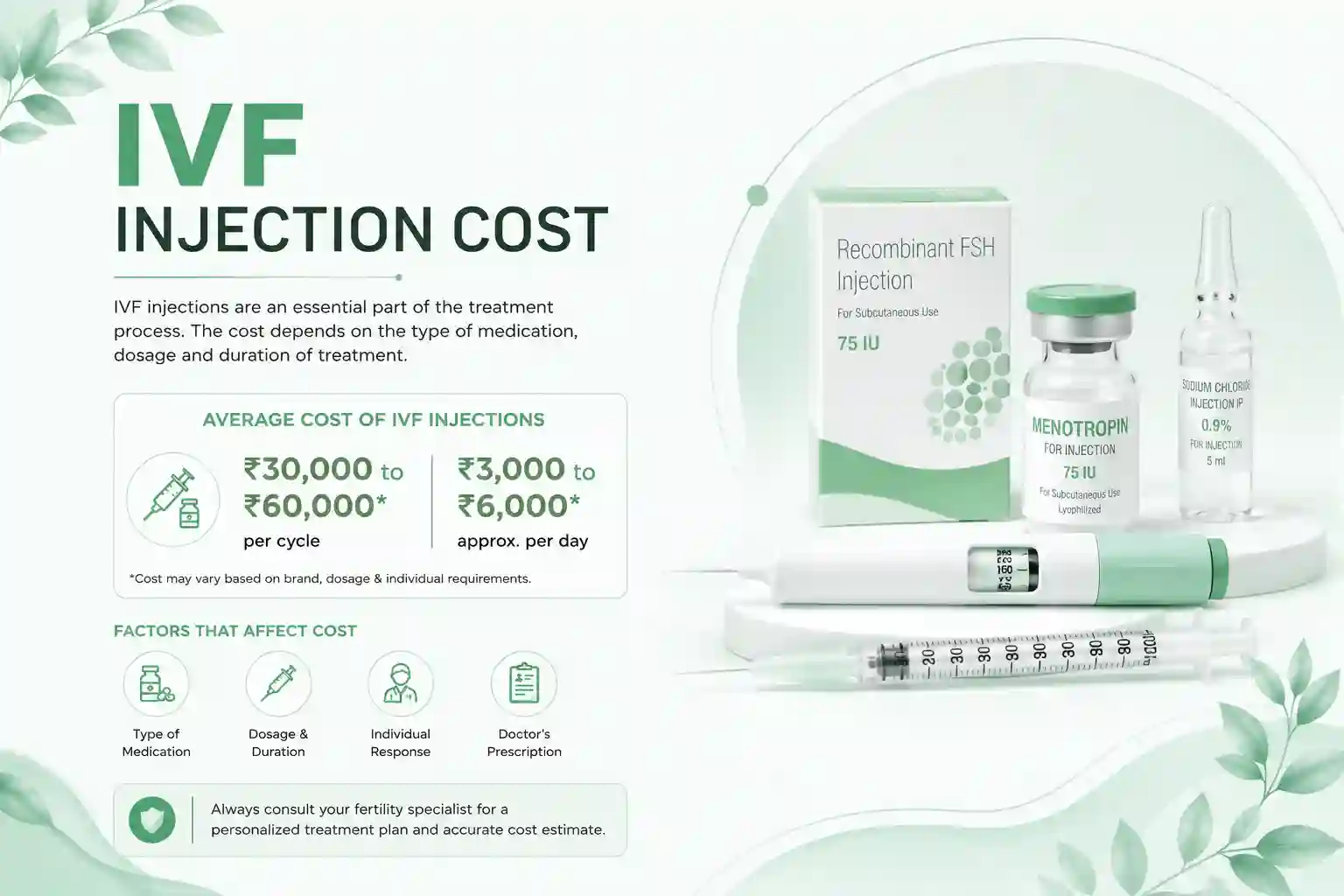
One of the biggest concerns for couples planning In Vitro Fertilization (IVF) is the IVF injection cost. Fertility injections are an essential part of most IVF treatment cycles because they stimulate the ovaries to produce multiple mature eggs, increasing the chances of successful fertilization.
The IVF injection cost can vary significantly depending on the country, fertility clinic, medication brand, dosage, treatment protocol, and an individual’s ovarian response. Since every patient requires a personalized medication plan, the total cost of IVF injections may differ from one cycle to another.
This guide explains IVF injection cost, the different types of IVF medications, factors that influence pricing, and what patients should know before starting treatment.
What Are IVF Injections?
IVF injections are fertility medications used throughout different stages of an IVF cycle. They help stimulate the ovaries, prevent premature ovulation, trigger final egg maturation, and support early pregnancy after embryo transfer.
Common IVF injections include:
- Follicle-Stimulating Hormone (FSH)
- Human Menopausal Gonadotropin (hMG)
- GnRH Antagonists
- GnRH Agonists
- Human Chorionic Gonadotropin (hCG) Trigger Injection
- Progesterone Injections
The combination of medications depends on the patient’s treatment protocol.
Average IVF Injection Cost
The IVF injection cost varies widely around the world and should be discussed directly with your fertility clinic.
Typical medication expenses may range from a few hundred to several thousand U.S. dollars per IVF cycle, depending on:
- Medication type
- Brand (originator or biosimilar)
- Dosage required
- Number of stimulation days
- Individual ovarian response
Some patients require fewer medications, while others may need higher doses, increasing the overall cost.
Factors Affecting IVF Injection Cost
Several factors influence the IVF injection cost.
Type of Fertility Medication
Different medications have different prices. For example, ovarian stimulation drugs, trigger injections, and progesterone support medications vary in cost.
Medication Dosage
Patients with different ovarian reserves or treatment protocols may require different dosages. Higher medication doses generally increase the total IVF injection cost.
Duration of Treatment
Most stimulation injections are taken for 8–14 days, but some patients may require a longer or shorter course of treatment.
Medication Brand
Both brand-name and biosimilar fertility medications may be available. Pricing differs depending on the manufacturer and local availability.
Country and Fertility Clinic
The IVF injection cost varies considerably between countries, healthcare systems, pharmacies, and fertility centers.
Additional IVF Costs Beyond Injections
While fertility injections are a major part of the treatment budget, patients should also consider other IVF-related expenses, such as:
- Initial consultation
- Fertility testing
- Ultrasound monitoring
- Blood tests
- Egg retrieval
- Laboratory fertilization
- Embryo culture
- Embryo transfer
- Embryo freezing and storage (if applicable)
- Follow-up appointments
Discussing a complete cost estimate with your fertility clinic can help avoid unexpected expenses.
Benefits of IVF Injections
IVF injections play a vital role in treatment by:
- Stimulating the development of multiple follicles.
- Increasing the number of mature eggs available for retrieval.
- Supporting controlled ovulation.
- Improving the efficiency of the IVF process.
- Supporting the uterine lining after embryo transfer when progesterone is prescribed.
Risks, Side Effects, or Limitations
Although IVF injections are commonly used and generally well tolerated, they may cause temporary side effects, including:
- Injection site soreness
- Bruising
- Mild bloating
- Pelvic discomfort
- Breast tenderness
- Mood changes
- Fatigue
- Headaches
In some patients, fertility medications may increase the risk of Ovarian Hyperstimulation Syndrome (OHSS), which requires prompt medical evaluation if severe symptoms develop.
Factors Affecting Medication Needs
Every patient’s medication plan is individualized.
Your fertility specialist may adjust medication requirements based on:
Female Age
Age influences ovarian reserve and response to stimulation.
Ovarian Reserve
Tests such as AMH levels and antral follicle count help guide medication dosage.
Body Weight
Body size may influence medication dosing in some treatment protocols.
Previous IVF Response
Medication plans are often adjusted based on previous IVF cycles.
Fertility Diagnosis
Underlying fertility conditions may influence the choice and quantity of medications.
Emotional & Patient Perspective
The IVF injection cost can be stressful for many couples, particularly because fertility treatment often involves multiple components beyond medications. It’s important to remember that medication costs vary according to your individual treatment needs, and higher medication expenses do not necessarily mean a higher chance of success.
Speaking openly with your fertility clinic about treatment costs, available medication options, and financial planning can help you make informed decisions and reduce unnecessary stress during your IVF journey.
Tips for Managing IVF Injection Costs
To help manage expenses:
- Request a detailed medication estimate before treatment.
- Ask whether biosimilar medications are appropriate.
- Purchase medications only from licensed pharmacies.
- Follow your medication schedule exactly as prescribed.
- Store fertility medications according to manufacturer instructions.
- Do not change or skip doses without consulting your fertility specialist.
When to Discuss Costs with Your Fertility Specialist
Talk to your fertility specialist if you:
- Need a detailed breakdown of medication expenses.
- Have concerns about affording treatment.
- Want to understand why certain medications are recommended.
- Have questions about dosage changes during stimulation.
- Experience side effects from fertility injections.
Your fertility team can explain the rationale behind your treatment plan and discuss available options.
The IVF injection cost varies depending on the medications prescribed, dosage, treatment duration, fertility clinic, and country. Fertility injections are an essential part of most IVF cycles, helping stimulate the ovaries, support egg maturation, and prepare the body for pregnancy. Because every treatment plan is personalized, there is no single standard price for IVF injections. Discussing medication costs with your fertility specialist before starting treatment can help you plan your budget and better understand your overall IVF expenses.
FAQs About IVF Injection Cost
1. What is the average IVF injection cost?
The IVF injection cost varies by country, clinic, medication type, and dosage. Medication expenses may range from a few hundred to several thousand U.S. dollars per IVF cycle.
2. Why does IVF injection cost vary between patients?
Costs differ because each patient requires a personalized medication plan based on age, ovarian reserve, fertility diagnosis, and response to treatment.
3. Are IVF injections included in the total IVF package?
Some fertility clinics include medications in their treatment packages, while others charge separately. Always ask for a detailed cost breakdown before beginning treatment.
4. Which IVF injections are commonly used?
Common IVF injections include FSH, hMG, GnRH antagonists, GnRH agonists, hCG trigger injections, and progesterone injections.
5. Can medication dosage affect IVF injection cost?
Yes. Higher medication doses and longer stimulation periods generally increase the overall IVF injection cost.
6. Are IVF injections safe?
IVF injections are generally safe when prescribed and monitored by a fertility specialist. Most side effects are mild and temporary.
7. How can I reduce IVF injection cost?
Discuss medication options with your fertility specialist, ask about suitable biosimilar medications if available, obtain prescriptions from licensed pharmacies, and request a detailed estimate before starting your IVF cycle.