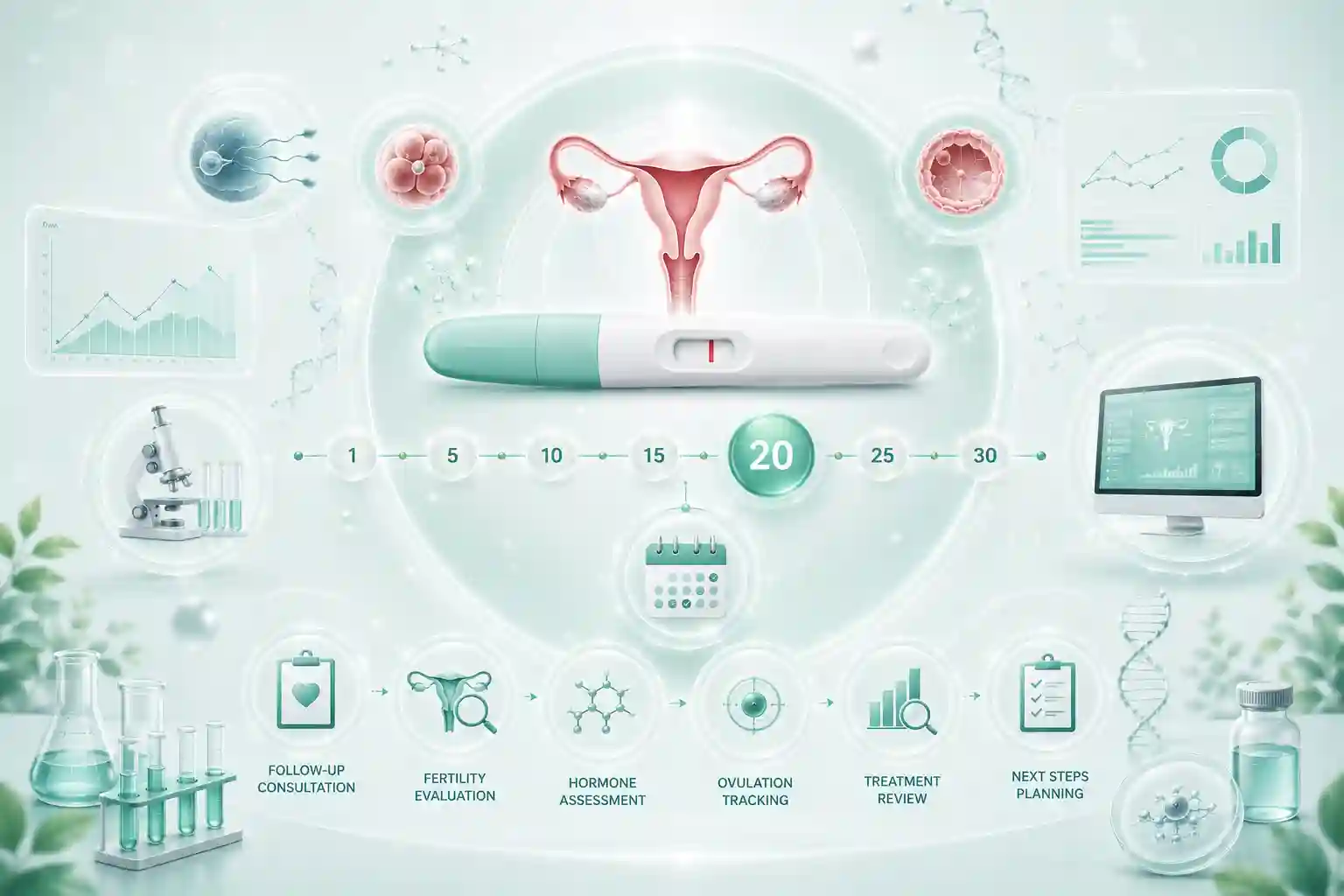
Seeing a 20 days after IUI negative pregnancy test can be disappointing and emotionally overwhelming. After weeks of hope and anticipation, it’s natural to wonder whether the result is final, whether the test could be wrong, or if there’s still a chance of pregnancy.
In most cases, a negative pregnancy test 20 days after IUI is a reliable indication that pregnancy has not occurred during that treatment cycle. However, there are situations where the timing of ovulation, implantation, or testing may affect the result. Understanding what a negative test means and knowing your next steps can help you move forward with confidence.
What Does a Negative Pregnancy Test 20 Days After IUI Mean?
A 20 days after IUI negative pregnancy test generally means that pregnancy hormones (human chorionic gonadotropin or hCG) were not detected at levels high enough to indicate pregnancy.
By around 20 days after IUI:
- Implantation has typically already occurred if pregnancy was established.
- hCG levels are usually high enough to be detected by most pregnancy tests.
- A negative result is generally considered reliable, especially if your menstrual period is also delayed.
Your fertility clinic may recommend a blood pregnancy test if there is any uncertainty.
Why Is This Timing Important?
Understanding the timing after IUI helps explain why pregnancy testing is usually accurate by this stage.
Knowing what happens after treatment can help you:
- Understand how pregnancy develops.
- Avoid repeated early testing.
- Know when to contact your fertility specialist.
- Plan the next steps if pregnancy has not occurred.
A negative result at 20 days is often an opportunity to review the treatment cycle and discuss future options.
What Happens After IUI?
The normal timeline after IUI is as follows.
Days 1–5
If sperm successfully fertilizes the egg, the embryo begins dividing while traveling through the fallopian tube.
Days 6–10
The embryo may implant into the uterine lining.
Days 10–14
The body begins producing hCG after successful implantation.
Most fertility specialists recommend the first pregnancy test around this time.
Days 15–20
If pregnancy has occurred, hCG levels usually continue rising and are generally detectable by home pregnancy tests and blood tests.
If pregnancy has not occurred, menstruation often begins around this time, although cycle length varies.
Possible Reasons for a Negative Pregnancy Test 20 Days After IUI
Several factors may explain a negative result.
Pregnancy Did Not Occur
The most common reason is that fertilization or implantation did not occur during that treatment cycle.
Delayed Ovulation
If ovulation happened later than expected, pregnancy testing may also need to be delayed.
Delayed Implantation
Implantation timing varies slightly between pregnancies, although by 20 days after IUI a negative result is usually reliable.
Testing Error
Occasionally, incorrect test use or an expired test kit may produce inaccurate results.
If there is uncertainty, repeat testing or a blood hCG test may be recommended.
What Should You Do Next?
If you receive a 20 days after IUI negative pregnancy test:
- Contact your fertility clinic if you have not already done so.
- Follow your specialist’s advice regarding medications.
- Ask whether a blood pregnancy test is recommended.
- Discuss whether another IUI cycle is appropriate.
- Review factors that may have influenced the outcome.
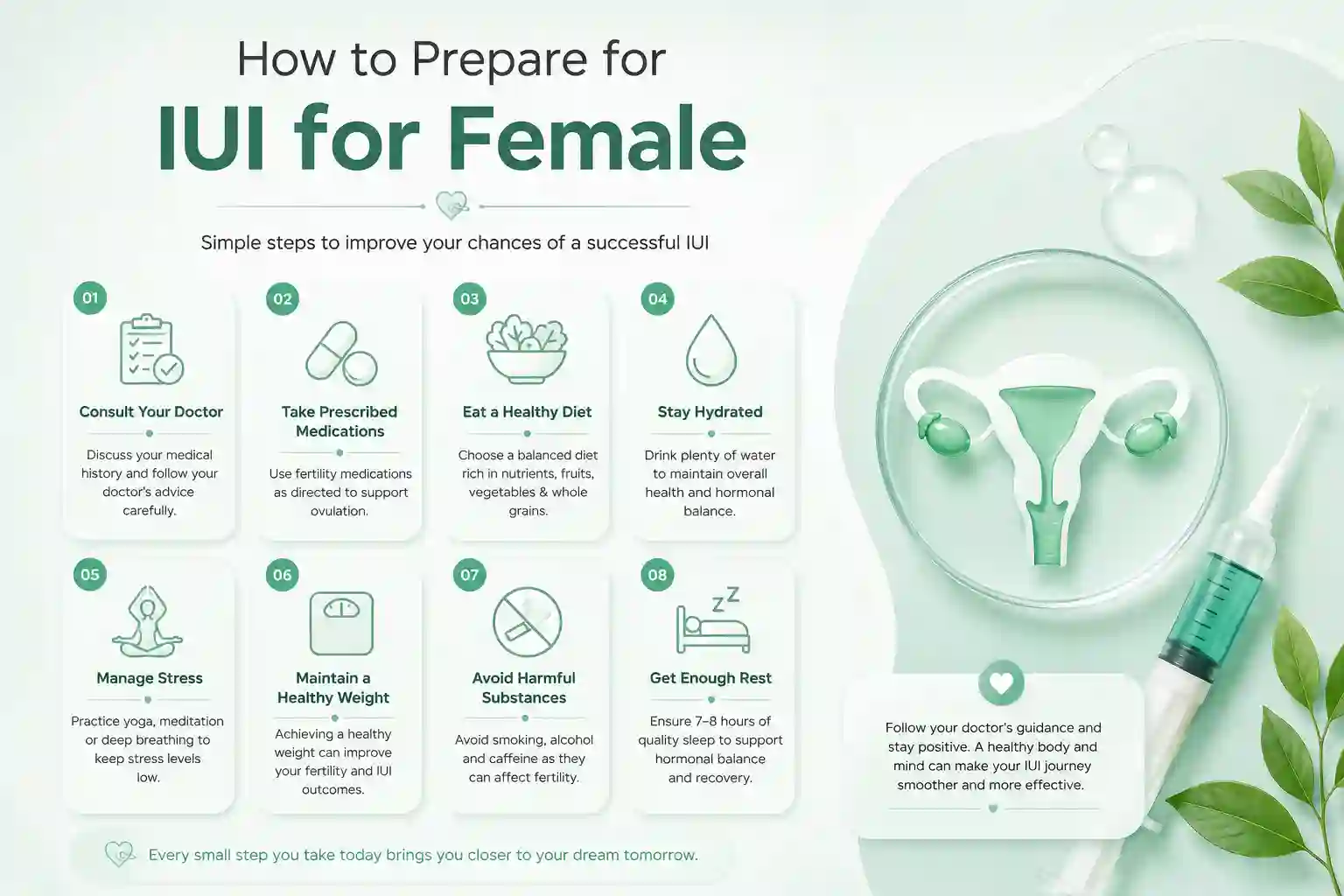
- Continue healthy lifestyle habits while planning the next step.
Your treatment plan should always be individualized.
Benefits of Following Up with Your Fertility Specialist
A follow-up appointment allows your fertility specialist to:
- Review the treatment cycle.
- Assess ovulation timing.
- Evaluate medication response.
- Discuss possible adjustments for future cycles.
- Determine whether additional testing is needed.
- Decide whether IUI or another fertility treatment remains appropriate.
Risks, Side Effects, or Limitations
A negative pregnancy test after IUI does not necessarily indicate a serious medical problem.
However, contact your healthcare provider if you experience:
- Heavy or prolonged bleeding
- Severe pelvic or abdominal pain
- Fever
- Persistent vomiting
- Significant abdominal swelling
- Fainting or dizziness
These symptoms require prompt medical evaluation regardless of the pregnancy test result.
Factors Affecting IUI Success
Many factors influence whether pregnancy occurs.
Female Age
Egg quality and ovarian reserve naturally decline with age.
Cause of Infertility
Certain fertility conditions respond better to IUI than others.
Sperm Quality
Healthy sperm count, motility, and morphology improve fertilization chances.
Ovulation Timing
Accurate timing between ovulation and insemination is essential.
Fallopian Tube Health
At least one healthy, open fallopian tube is usually necessary for IUI to be effective.
Lifestyle Factors
Maintaining a healthy weight, avoiding smoking, limiting alcohol, eating a balanced diet, and managing chronic medical conditions support reproductive health.
Emotional & Patient Perspective
Receiving a negative pregnancy test after IUI can be emotionally difficult.
Many people experience:
- Sadness
- Frustration
- Disappointment
- Self-doubt
- Anxiety about future treatment
These feelings are understandable. Remember that one unsuccessful IUI cycle does not mean future treatment cannot be successful. Many individuals require more than one cycle before achieving pregnancy.
Seeking support from your partner, family, friends, a counselor, or a fertility support group can help during this time.
Tips After a Negative Pregnancy Test
If your pregnancy test is negative:
- Follow your fertility specialist’s recommendations.
- Ask questions about your treatment cycle.
- Continue healthy lifestyle habits.
- Give yourself time to process your emotions.
- Avoid comparing your experience with others.
- Discuss the timing of future treatment if appropriate.
Every fertility journey is different.
When to See a Fertility Specialist
Schedule a follow-up appointment if:
- Your pregnancy test is negative.
- Your menstrual period has not started despite repeated negative tests.
- You have severe pain or heavy bleeding.
- You have questions about future treatment.
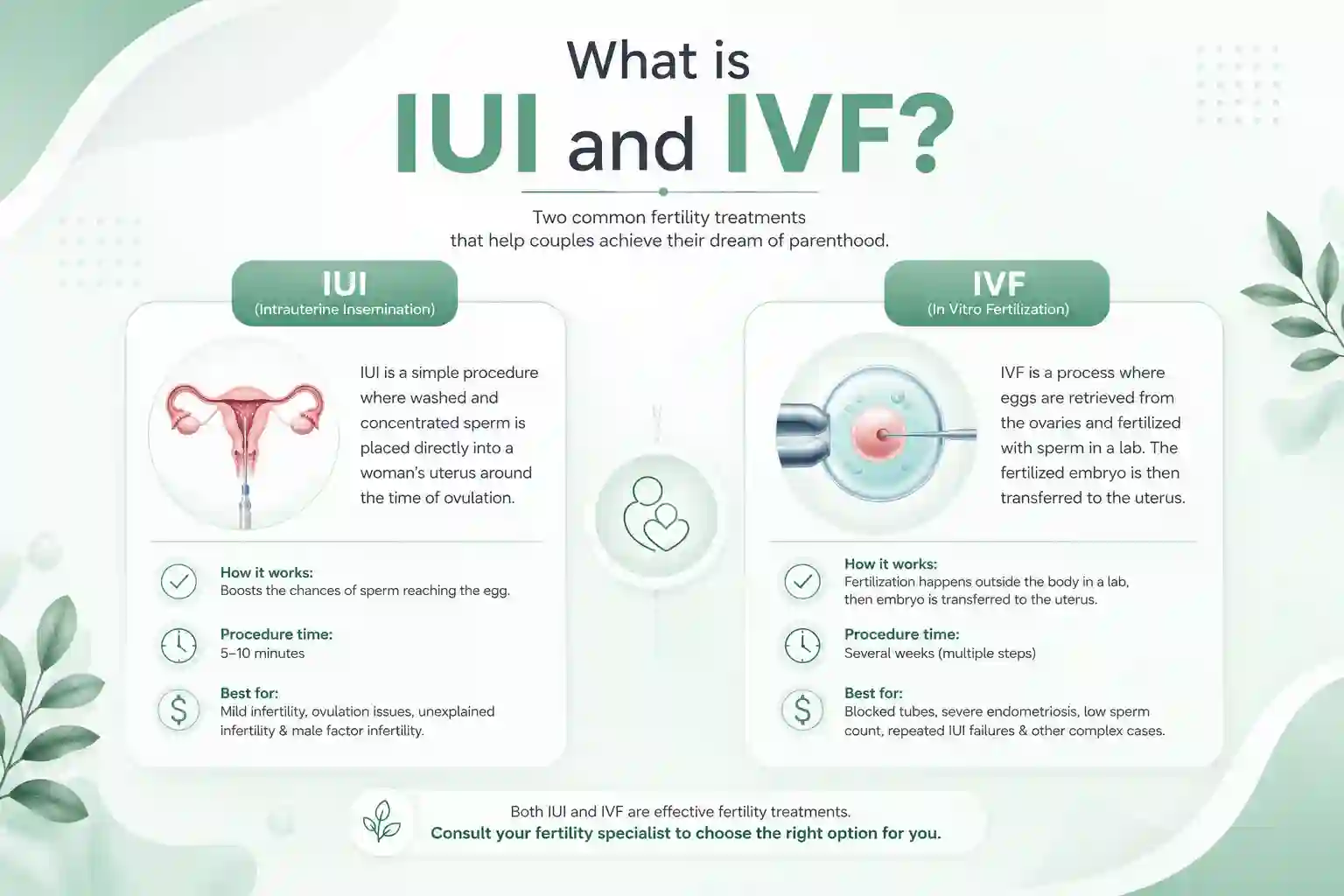
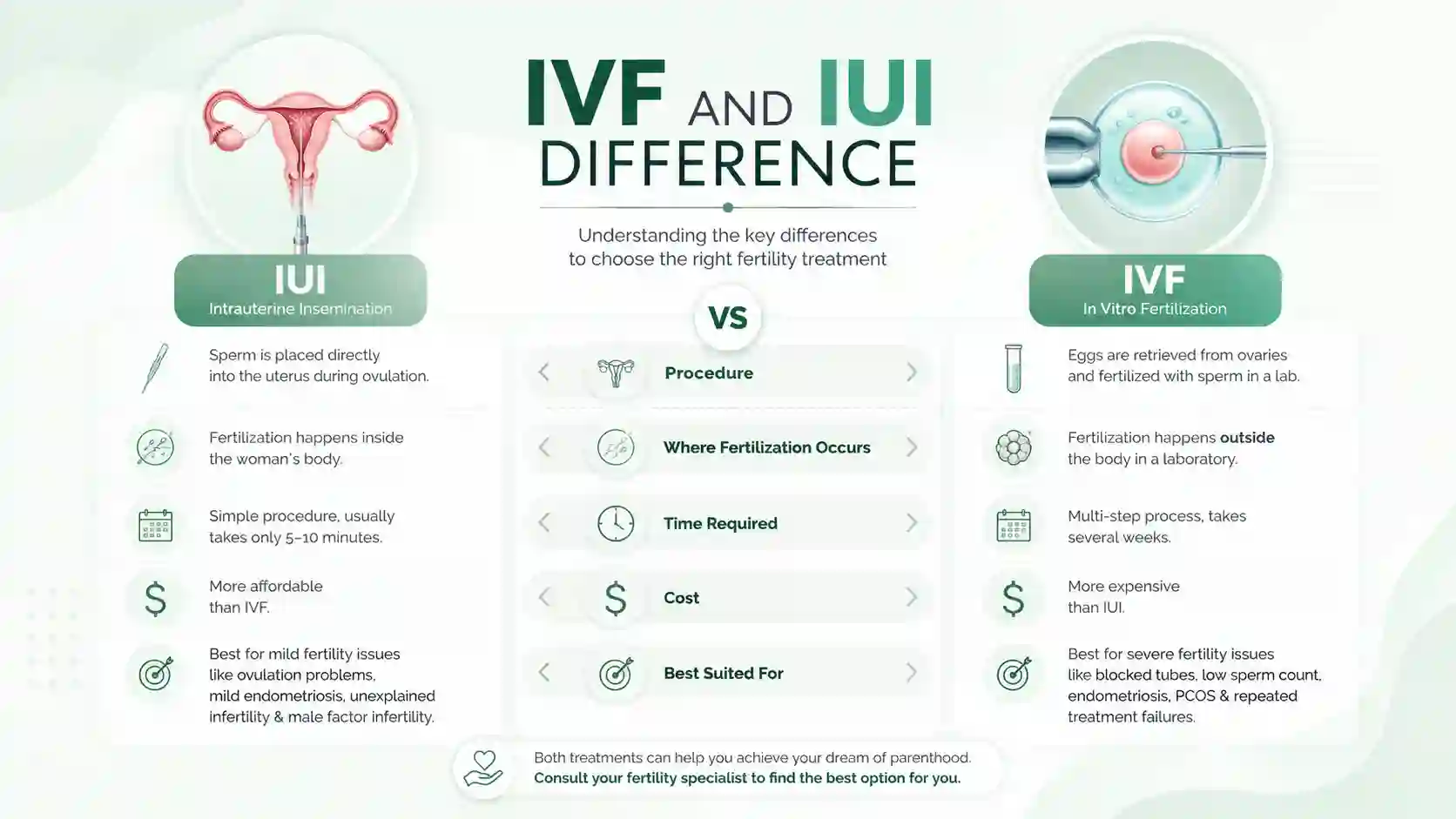
- You would like to discuss another IUI cycle or IVF.
Your fertility specialist can recommend the most appropriate next steps based on your individual situation.
A 20 days after IUI negative pregnancy test is generally a reliable indication that pregnancy has not occurred during that treatment cycle, particularly if ovulation timing was well established. Although this news can be difficult to process, it does not mean your fertility journey is over. Many people achieve pregnancy after additional IUI cycles or with other fertility treatments. The most important next step is to follow up with your fertility specialist, review your treatment plan, and discuss the options that best fit your individual circumstances.
FAQs About 20 Days After IUI Negative Pregnancy Test
1. Is a negative pregnancy test 20 days after IUI accurate?
In most cases, yes. By 20 days after IUI, pregnancy hormone levels are usually high enough to be detected if pregnancy has occurred.
2. Could I still be pregnant with a negative test 20 days after IUI?
It is less likely, but delayed ovulation, incorrect testing, or unusual circumstances may occasionally affect the result. Your fertility specialist may recommend a blood hCG test if there is uncertainty.
3. Should I repeat the pregnancy test?
If your healthcare provider recommends it or your period has not started, repeating the test or having a blood pregnancy test may be appropriate.
4. Why hasn’t my period started even though my pregnancy test is negative?
Hormonal medications, delayed ovulation, stress, or natural cycle variation can sometimes delay menstruation. Contact your fertility clinic if your period remains absent.
5. Can I try another IUI cycle after a negative pregnancy test?
Many people undergo additional IUI cycles if appropriate. Your fertility specialist will review your previous cycle and advise on the next steps.
6. When should I contact my fertility clinic?
Contact your clinic if your pregnancy test is negative, your period is significantly delayed, or you experience severe pain, heavy bleeding, fever, or other concerning symptoms.
7. Does one failed IUI cycle mean future treatment won’t work?
No. Many individuals and couples achieve pregnancy after more than one IUI cycle. Your fertility specialist can discuss whether repeating IUI or considering another fertility treatment is the best option.