If you’re 3 days after IUI, you’re likely in the early stages of the two-week wait—a period filled with anticipation and questions. One of the most common concerns is whether any physical changes at this point indicate that the procedure has been successful. Many people search for 3 days after IUI symptoms, hoping to identify the earliest signs of pregnancy.
At this stage, however, it is generally too early for pregnancy symptoms caused by implantation. Any sensations you experience are more likely to be related to the IUI procedure itself, ovulation, fertility medications, or normal hormonal changes. Understanding what typically happens three days after IUI can help reduce unnecessary anxiety and set realistic expectations.
What Happens 3 Days After IUI?
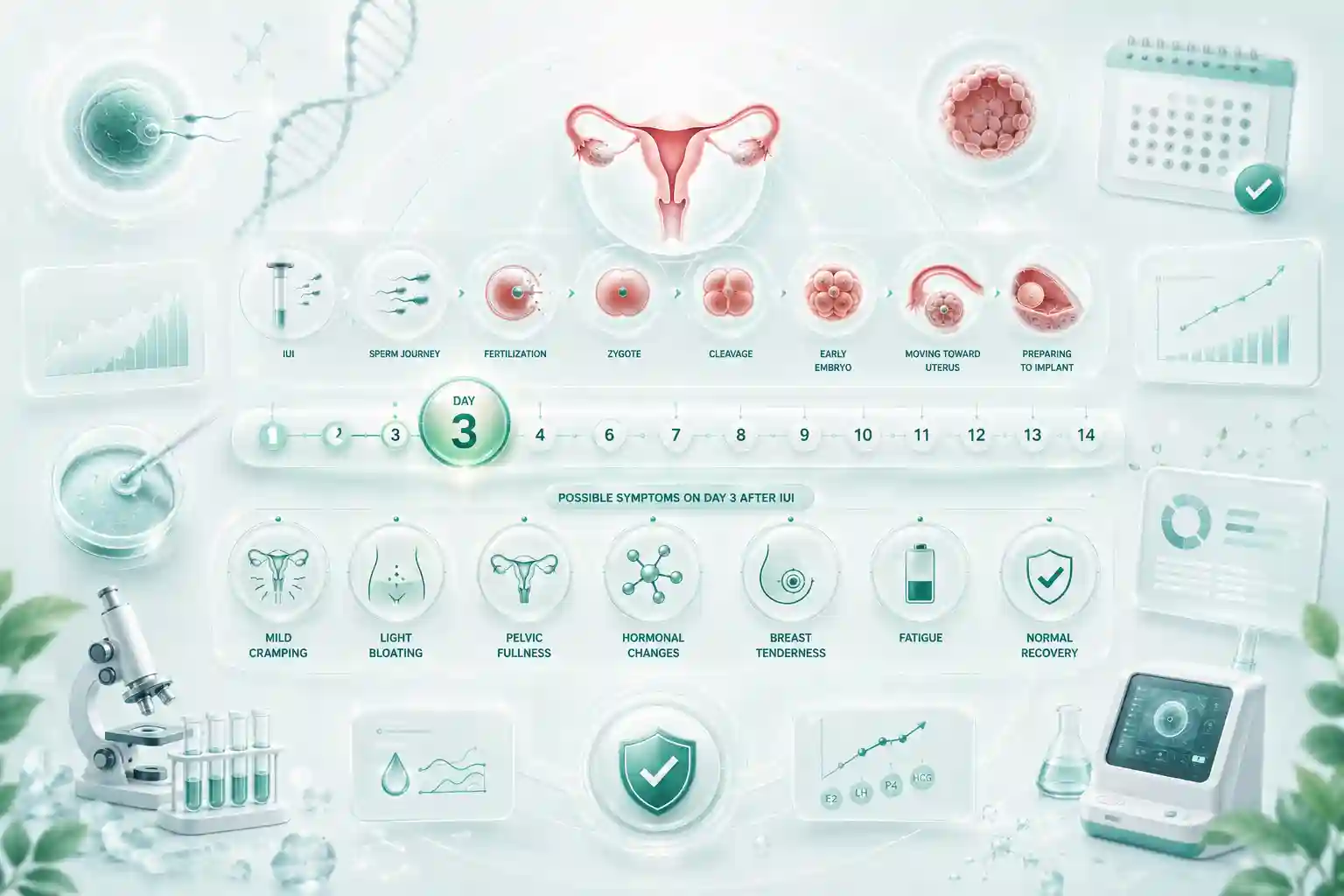
Around 3 days after IUI, one of several things may be happening:
- Fertilization may have already occurred if the sperm successfully met the egg.
- The fertilized egg (if present) is dividing into multiple cells.
- The developing embryo is traveling through the fallopian tube toward the uterus.
- Implantation has usually not occurred yet, so pregnancy hormones are generally too low to cause noticeable symptoms.
Every fertility journey is unique, and this timeline can vary slightly depending on when ovulation occurred.
Why Is It Helpful to Understand 3 Days After IUI Symptoms?
Knowing what is normal at this stage can help you:
- Avoid unnecessary worry.
- Understand the natural fertility timeline.
- Recognize medication-related side effects.
- Avoid testing for pregnancy too early.
- Know when symptoms require medical attention.
Remember, having symptoms—or having none at all—does not predict whether IUI has been successful.
What Happens Inside the Body 3 Days After IUI?
Understanding the biological process can make the waiting period easier.
Step 1: Ovulation
The egg is released naturally or after fertility medication.
Step 2: Fertilization
If healthy sperm reaches the egg, fertilization may occur within the fallopian tube.
Step 3: Early Embryo Development
By around the third day, a fertilized egg may have divided into several cells while continuing its journey toward the uterus.
Step 4: Implantation Has Usually Not Started
The embryo typically has not yet attached to the uterine lining at this point.
Step 5: Pregnancy Hormones Are Still Very Low
Human chorionic gonadotropin (hCG), the hormone detected by pregnancy tests, is generally not produced until after implantation.
Common 3 Days After IUI Symptoms
Many people experience little or no change three days after IUI.
Possible symptoms include:
Mild Cramping
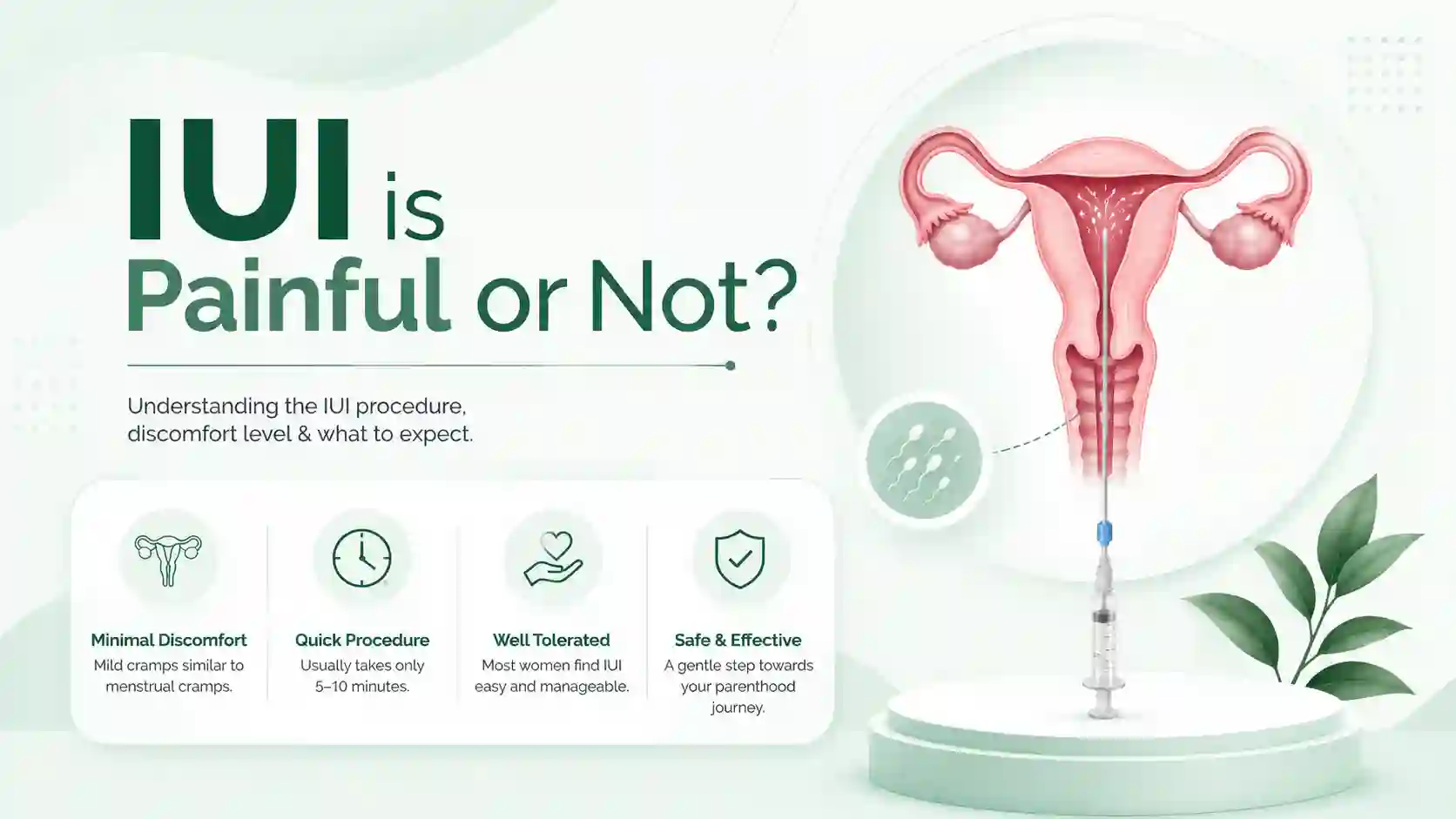
Light cramping may occur because of ovulation, the IUI procedure, or hormonal changes.
Mild Bloating
Progesterone and fertility medications can cause temporary bloating.
Breast Tenderness
Some women notice sore or sensitive breasts, especially if taking progesterone supplements.
Fatigue
Feeling more tired than usual is common and may be related to hormonal changes rather than pregnancy.
Increased Vaginal Discharge
Some women notice more clear or white discharge because of progesterone.
No Symptoms
Many people experience absolutely no symptoms at this stage and still go on to have a successful pregnancy.
Are These Pregnancy Symptoms?
At 3 days after IUI, true pregnancy symptoms are generally unlikely because implantation has usually not occurred yet.
Symptoms at this stage are more commonly related to:
- Fertility medications
- Ovulation
- Progesterone supplements
- The IUI procedure
- Natural hormonal fluctuations
It’s important not to interpret every sensation as a sign of pregnancy.
Benefits of Understanding the Timeline
Knowing what to expect can help you:
- Reduce stress during the two-week wait.
- Avoid comparing yourself with others.
- Understand why early testing is discouraged.
- Focus on recovery and overall well-being.
- Feel more confident throughout your fertility journey.
Risks, Side Effects, or Limitations
Most symptoms at this stage are mild and temporary.
However, contact your fertility clinic if you experience:
- Severe abdominal pain
- Heavy vaginal bleeding
- Fever
- Persistent vomiting
- Difficulty breathing
- Significant abdominal swelling, especially if you used fertility medications
These symptoms require medical evaluation.
Factors Affecting Symptoms
Several factors influence how you feel after IUI.
Fertility Medications
Progesterone and ovulation medications commonly cause:
- Breast tenderness
- Bloating
- Fatigue
- Mood changes
Individual Hormonal Response
Every person’s hormonal response is different, so symptom severity varies.
Ovulation Timing
If ovulation occurred slightly earlier or later than expected, the timeline may shift by a day or two.
Stress and Anxiety
The emotional impact of the two-week wait can heighten awareness of normal body sensations.
Emotional & Patient Perspective
Three days after IUI is often when patients begin wondering whether every symptom has meaning.
Common feelings include:
- Hope
- Excitement
- Anxiety
- Impatience
- Constant symptom checking
Remember that there is no “perfect” set of symptoms that predicts pregnancy. Some successful pregnancies begin with many symptoms, while others begin with none.
Tips for 3 Days After IUI
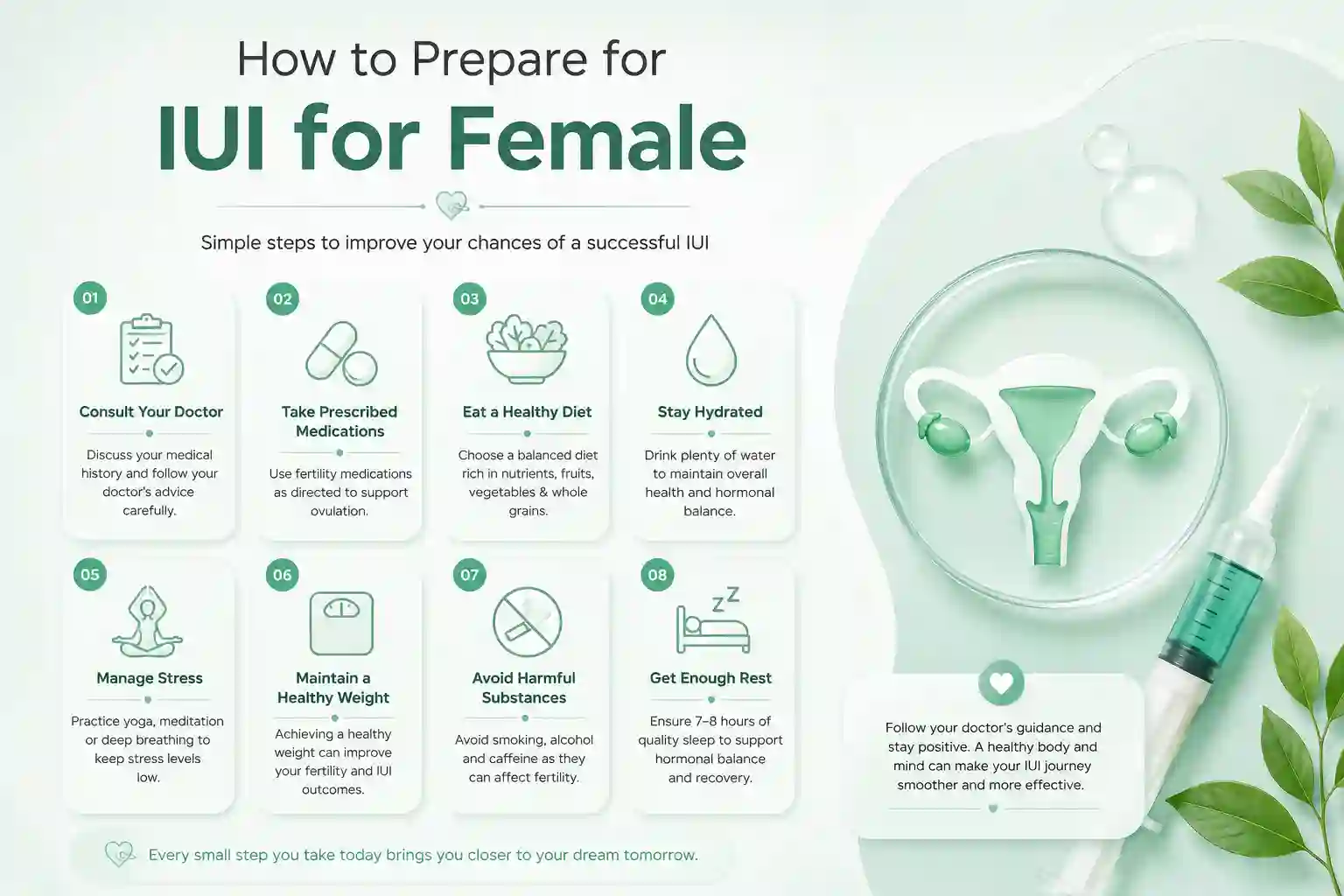
During this stage, it is generally recommended to:
- Continue all prescribed medications.
- Stay hydrated.
- Eat a balanced diet.
- Get adequate sleep.
- Continue normal light activities unless advised otherwise.
- Avoid smoking and alcohol.
- Resist taking an early pregnancy test.
- Follow your fertility specialist’s instructions carefully.
When to See a Fertility Specialist
Contact your fertility specialist if you experience:
- Severe pelvic pain
- Heavy bleeding
- Fever
- Persistent vomiting
- Difficulty breathing
- Severe abdominal swelling
- Any symptoms that concern you
Your healthcare team can determine whether further evaluation is needed.
Understanding 3 days after IUI symptoms can help you navigate the early part of the two-week wait with realistic expectations. At this stage, fertilization may have occurred, and the embryo may be developing, but implantation has usually not taken place yet. Mild cramping, bloating, breast tenderness, fatigue, or even no symptoms at all are all considered normal. Because pregnancy hormones are generally still too low, these early sensations cannot reliably indicate whether IUI has been successful. The most accurate way to determine the outcome is to wait until the recommended pregnancy testing date and continue following your fertility specialist’s guidance.
FAQs About 3 Days After IUI Symptoms
1. Is it normal to have no symptoms 3 days after IUI?
Yes. Many people experience no symptoms three days after IUI and still go on to have a healthy pregnancy.
2. Can implantation happen 3 days after IUI?
Implantation usually occurs later, several days after fertilization. At three days after IUI, implantation has generally not yet taken place.
3. Is cramping 3 days after IUI normal?
Yes. Mild cramping can occur because of ovulation, the IUI procedure, or hormonal changes.
4. Can I take a pregnancy test 3 days after IUI?
No. It is much too early for a reliable pregnancy test. Most fertility specialists recommend waiting about 14 days after IUI.
5. Does breast tenderness mean I am pregnant?
Not necessarily. Breast tenderness is commonly caused by progesterone supplements and fertility medications.
6. Is fatigue normal 3 days after IUI?
Yes. Fatigue is common after IUI and is often related to hormonal changes or medications rather than pregnancy.
7. When should I call my fertility clinic?
Seek medical advice if you experience severe abdominal pain, heavy bleeding, fever, persistent vomiting, significant abdominal swelling, or any symptoms that concern you.