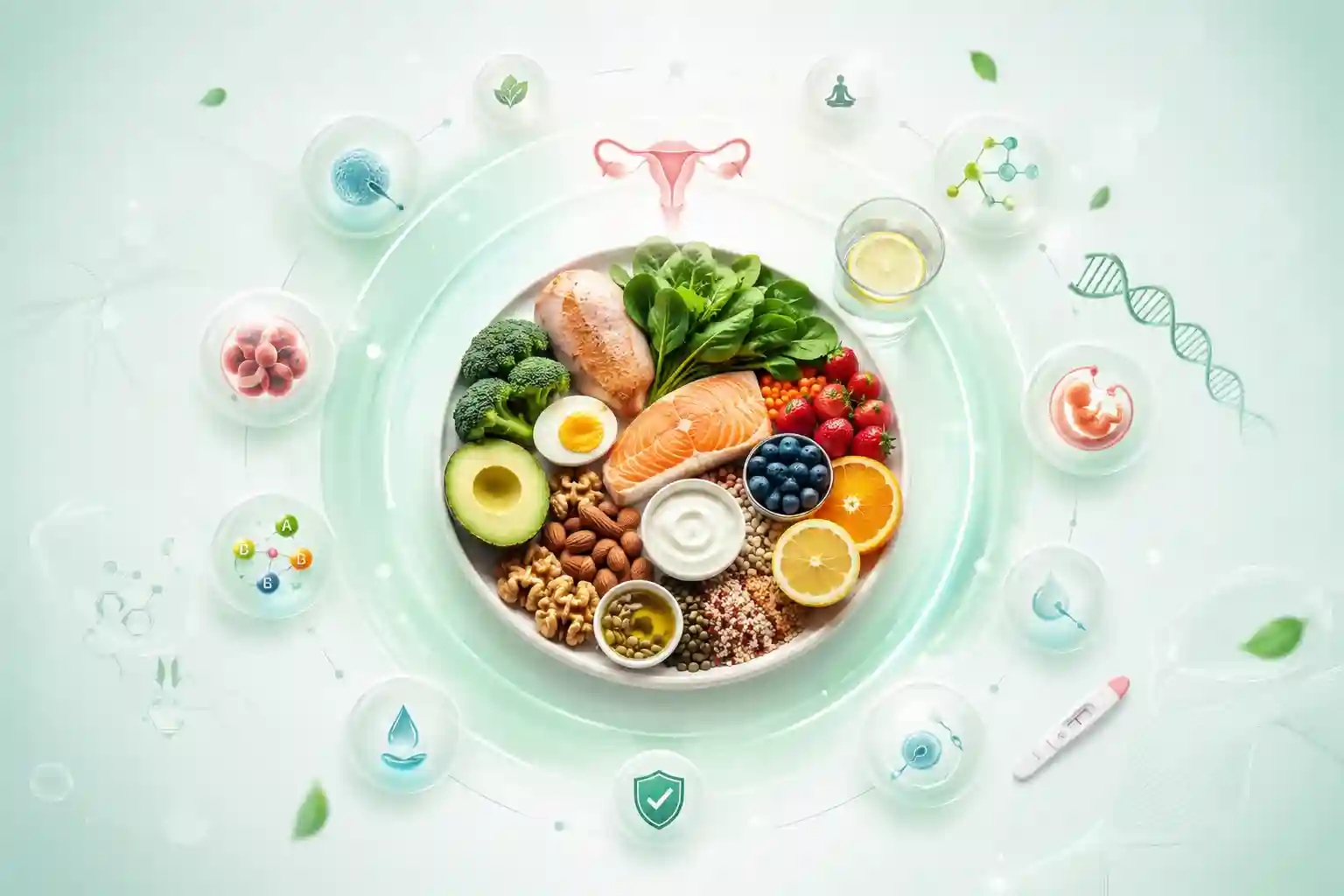
After undergoing intrauterine insemination (IUI), many people wonder whether their diet can improve the chances of pregnancy. One of the most common questions fertility specialists hear is, “What to eat after IUI for success?” While no specific food can guarantee pregnancy, eating a balanced, nutrient-rich diet supports your overall health and provides your body with the nutrients needed during the early stages of conception and implantation.
The two-week wait after IUI can be emotionally challenging, and it’s natural to want to do everything possible to support a healthy pregnancy. This guide explains what to eat after IUI for success, which foods may benefit reproductive health, what to limit, and other lifestyle habits that can help during this important period.
What to Eat After IUI for Success?
A healthy eating plan after IUI focuses on providing essential nutrients that support overall reproductive health rather than specific “fertility foods.”
Aim to include:
- Fresh fruits
- Colorful vegetables
- Whole grains
- Lean protein
- Healthy fats
- Low-fat dairy or calcium-rich alternatives
- Plenty of water
A varied, balanced diet is generally recommended instead of restrictive or fad diets.
Why Is Nutrition Important After IUI?
Although food alone cannot determine whether IUI will be successful, good nutrition supports your body’s normal functions.
A balanced diet may help:
- Support hormone production
- Promote overall reproductive health
- Maintain healthy blood sugar levels
- Reduce nutritional deficiencies
- Support early fetal development if pregnancy occurs
- Improve overall well-being during the two-week wait
Nutrition works best when combined with appropriate medical care and healthy lifestyle habits.
How Does Pregnancy Develop After IUI?
Understanding the timeline helps explain why overall health is important.
Step 1: Ovulation
An egg is released naturally or after fertility medication.
Step 2: Fertilization
Prepared sperm may fertilize the egg inside the fallopian tube.
Step 3: Embryo Development
The fertilized egg divides into an embryo while traveling toward the uterus.
Step 4: Implantation
Several days later, the embryo may implant into the uterine lining.
Step 5: Early Pregnancy
After implantation, pregnancy hormones begin increasing if conception has occurred.
Supporting your overall health throughout this process is more beneficial than relying on any single food.
Best Foods to Eat After IUI for Success
Leafy Green Vegetables
Spinach, kale, broccoli, and other leafy greens provide:
- Folate
- Iron
- Vitamin C
- Fiber
These nutrients support overall reproductive and prenatal health.
Fruits
Choose a variety of fruits such as:
- Berries
- Oranges
- Apples
- Bananas
- Kiwi
Fruits provide vitamins, minerals, antioxidants, and fiber.
Whole Grains
Healthy options include:
- Oats
- Brown rice
- Whole wheat bread
- Quinoa
- Barley
Whole grains provide sustained energy and fiber.
Lean Protein
Protein supports tissue growth and repair.
Good choices include:
- Fish low in mercury
- Skinless poultry
- Eggs
- Beans
- Lentils
- Tofu
Healthy Fats
Include moderate amounts of healthy fats from:
- Avocados
- Nuts
- Seeds
- Olive oil
These foods support overall health and hormone production.
Dairy or Calcium-Rich Alternatives
Milk, yogurt, and fortified plant-based alternatives provide calcium and protein, which are important for overall health.
Water
Adequate hydration supports normal body functions and overall well-being.
Aim to drink enough water throughout the day unless your healthcare provider recommends otherwise.
Foods to Limit After IUI
Rather than eliminating foods completely, it’s generally recommended to limit:
- Highly processed foods
- Sugary drinks
- Excessive sweets
- Foods high in saturated fat
- Excess alcohol (avoid alcohol if pregnancy is possible)
- Excessive caffeine (follow your healthcare provider’s advice)
If you have dietary restrictions or medical conditions, seek individualized nutritional advice from your healthcare provider or a registered dietitian.
Benefits of a Healthy Diet After IUI
Healthy eating offers many benefits.
These include:
- Supporting overall reproductive health
- Providing essential vitamins and minerals
- Helping maintain a healthy weight
- Supporting immune function
- Promoting healthy digestion
- Encouraging healthy pregnancy habits from the beginning
Although diet cannot guarantee pregnancy, it contributes to overall health.
Risks, Side Effects, or Limitations
There is no scientifically proven fertility food that guarantees successful implantation.
Be cautious of:
- Extreme fertility diets
- Unproven herbal supplements
- Detox programs
- High-dose vitamins without medical advice
- Social media fertility “miracle” foods
Always discuss supplements with your fertility specialist before taking them.
Factors Affecting IUI Success
Several factors have a greater influence on pregnancy than diet alone.
Female Age
Egg quality naturally changes with age.
Ovulation Timing
Proper timing between ovulation and insemination is essential.
Sperm Quality
Healthy sperm improves the chances of fertilization.
Fertility Diagnosis
The underlying cause of infertility plays a significant role.
Overall Health
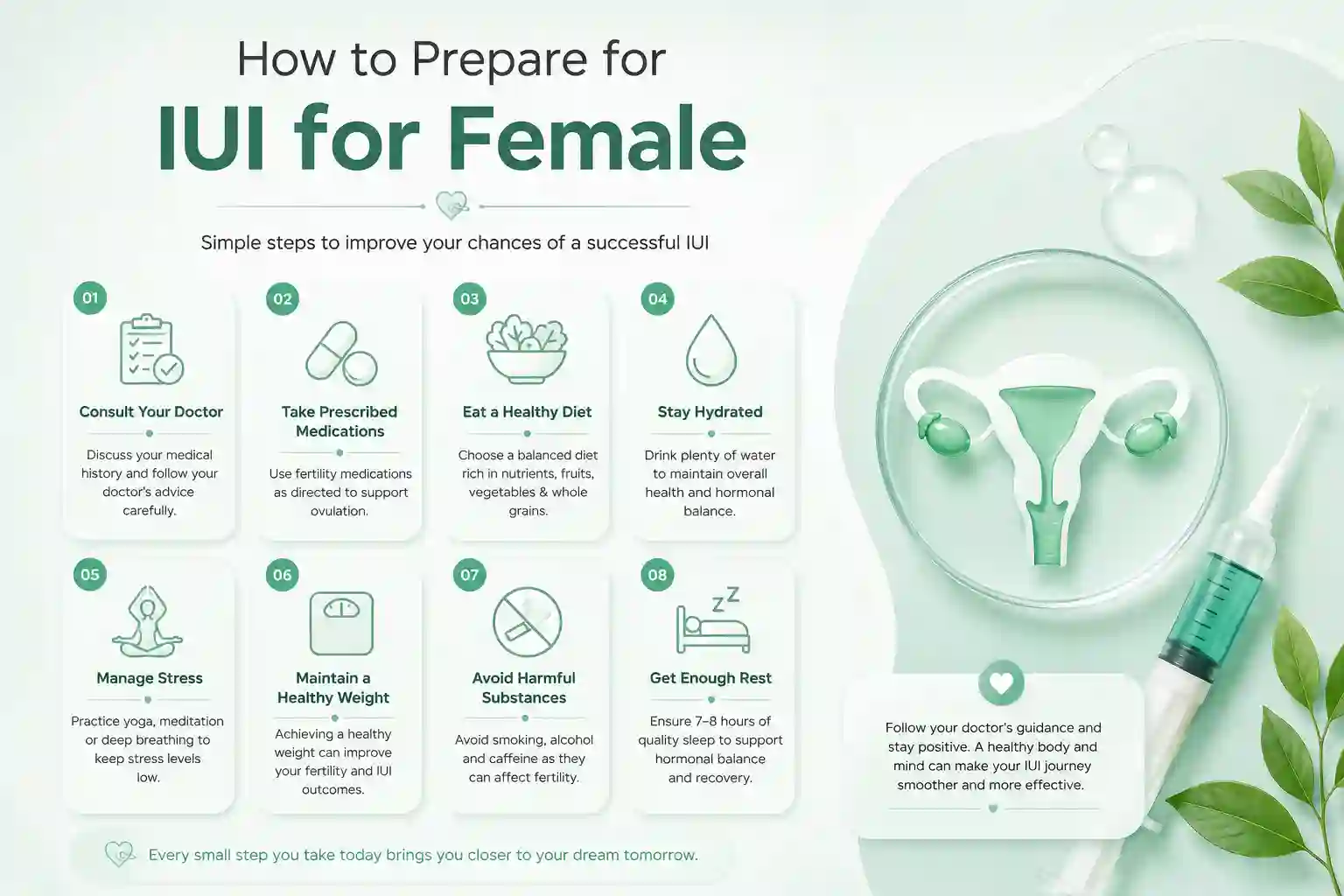
A healthy lifestyle—including balanced nutrition, regular physical activity, adequate sleep, and avoiding smoking—supports reproductive health.
Emotional & Patient Perspective
The two-week wait can be stressful.
Many patients worry that eating the “wrong” food could affect implantation.
Fortunately, there is no evidence that a single meal or specific food will cause an otherwise healthy pregnancy to fail.
Instead of focusing on perfection, aim for consistency:
- Eat regular, balanced meals.
- Stay hydrated.
- Get enough rest.
- Follow your treatment plan.
- Practice stress-reduction techniques that work for you.
Tips for Healthy Eating After IUI
To support your overall health:
- Eat a variety of colorful fruits and vegetables.
- Include protein with every meal.
- Choose whole grains over refined carbohydrates.
- Stay well hydrated.
- Continue prenatal vitamins if prescribed.
- Avoid smoking and alcohol.
- Limit caffeine according to your healthcare provider’s recommendations.
- Follow all instructions from your fertility specialist.
When to See a Fertility Specialist
Contact your fertility specialist if you experience:
- Severe abdominal pain
- Heavy vaginal bleeding
- Fever
- Persistent vomiting
- Significant abdominal swelling
- Questions about medications, supplements, or nutrition
A registered dietitian with expertise in fertility nutrition may also be helpful if you have specific dietary needs.
If you’re wondering what to eat after IUI for success, the best approach is to focus on a balanced, nutrient-rich diet that supports your overall health. Fruits, vegetables, whole grains, lean proteins, healthy fats, and adequate hydration provide essential nutrients for your body during the two-week wait. While no food can guarantee pregnancy, healthy eating, proper medical care, following your fertility specialist’s advice, and maintaining a healthy lifestyle can help support your reproductive health as you wait for your pregnancy test.
FAQs About What to Eat After IUI for Success
1. What are the best foods to eat after IUI?
A balanced diet including fruits, vegetables, whole grains, lean protein, healthy fats, and plenty of water is generally recommended.
2. Can eating certain foods improve IUI success?
No single food has been proven to increase IUI success. Overall healthy nutrition supports general reproductive health but cannot guarantee pregnancy.
3. Should I drink plenty of water after IUI?
Yes. Staying well hydrated supports normal body functions and overall health during the two-week wait.
4. Can I drink coffee after IUI?
Moderate caffeine intake may be acceptable for many people, but it’s best to follow your fertility specialist’s recommendations regarding caffeine consumption.
5. Should I avoid junk food after IUI?
Occasional treats are unlikely to affect your outcome, but a balanced diet with limited highly processed foods is generally recommended for overall health.
6. Should I continue taking prenatal vitamins after IUI?
If your fertility specialist has recommended prenatal vitamins, continue taking them as directed unless advised otherwise.
7. Can diet alone make IUI successful?
No. IUI success depends on many factors, including age, fertility diagnosis, sperm quality, ovulation timing, and overall reproductive health. A healthy diet supports your body but does not guarantee pregnancy.