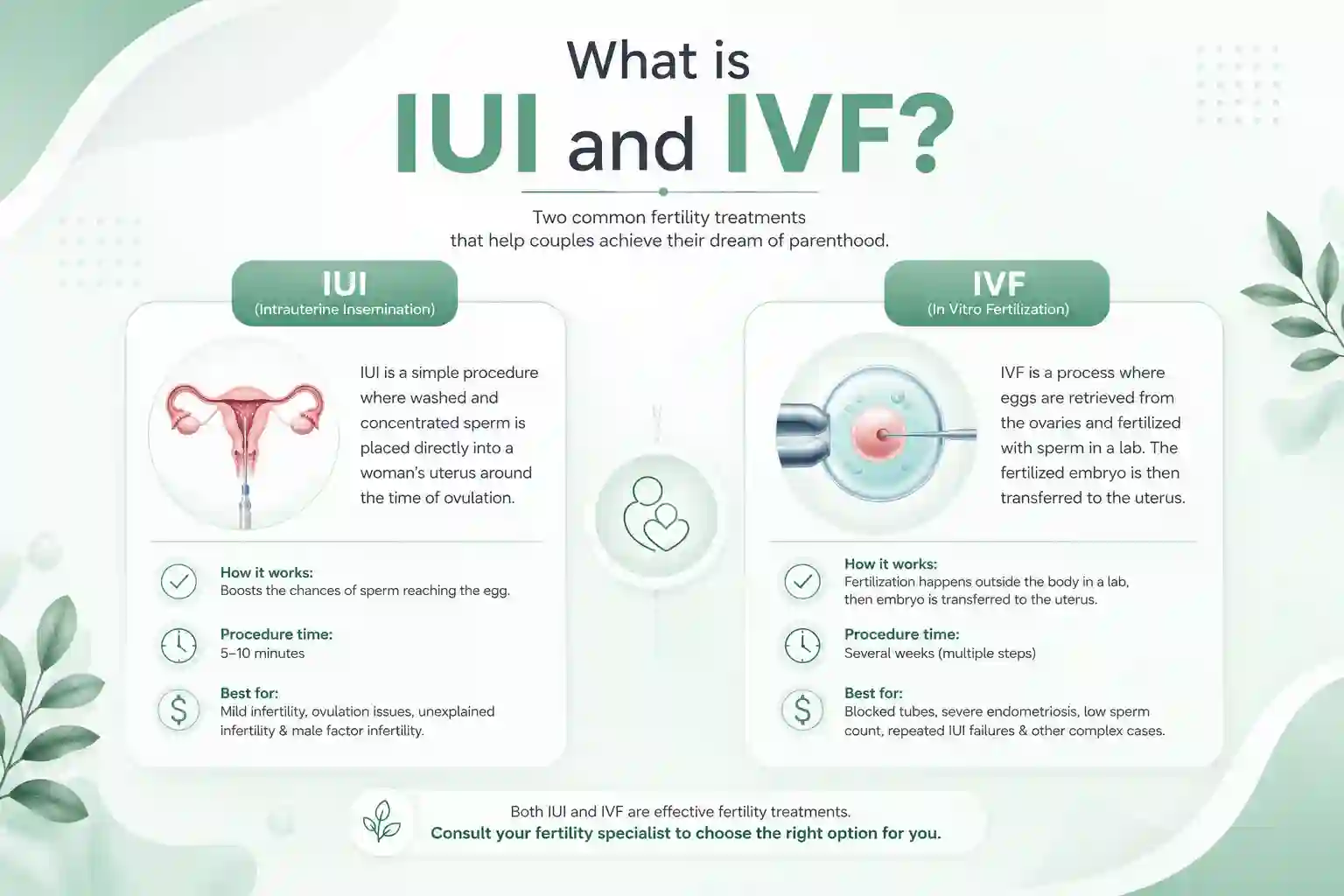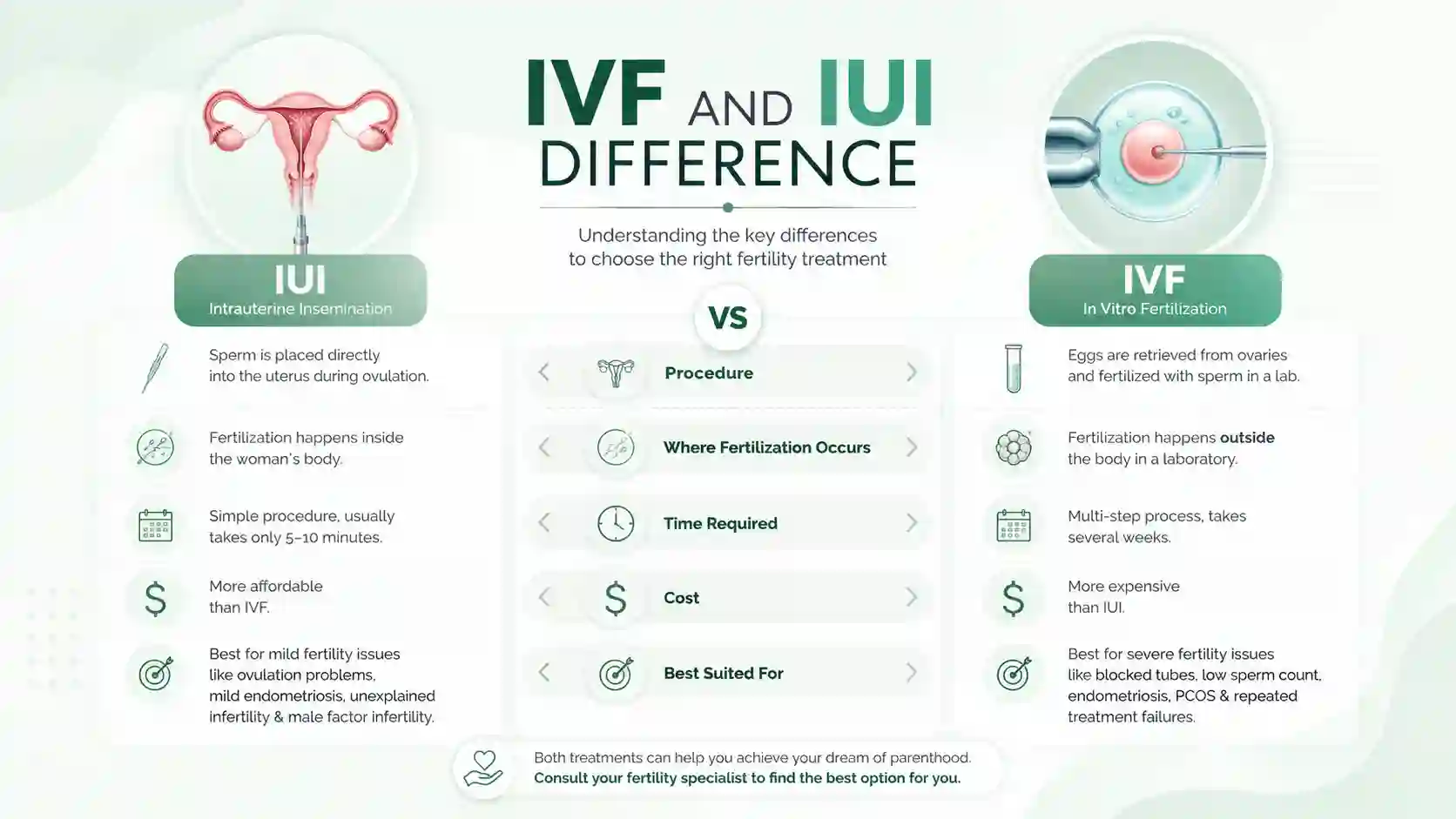
If you’re considering fertility treatment, one of the first questions you’ll likely ask is about IUI success rates. Intrauterine insemination (IUI) is a commonly recommended fertility treatment for couples and individuals with specific fertility challenges. It is less invasive and generally more affordable than in vitro fertilization (IVF), making it a popular first-line treatment.
However, IUI success rates vary from person to person. Factors such as age, the cause of infertility, sperm quality, ovulation timing, and overall reproductive health all influence the likelihood of pregnancy. Understanding these factors can help you set realistic expectations and work with your fertility specialist to choose the most appropriate treatment plan.
What Are IUI Success Rates?
IUI success rates refer to the percentage of treatment cycles that result in pregnancy after intrauterine insemination.
Success is typically measured on a per-cycle basis, meaning the chance of pregnancy from one IUI treatment cycle. Some people conceive after their first cycle, while others may need multiple cycles.
Rather than relying on a single average figure, fertility specialists evaluate your individual chances based on your medical history and fertility assessment.
Why Are IUI Success Rates Important?
Understanding IUI success rates helps patients make informed decisions about fertility treatment.
Knowing what influences success can help you:
- Set realistic expectations.
- Decide whether IUI is an appropriate option.
- Understand when IVF may be recommended.
- Plan financially if multiple cycles are needed.
- Have informed discussions with your fertility specialist.
Every fertility journey is unique, so personalized guidance is more valuable than comparing general statistics.
How Does IUI Work?
The IUI process involves several carefully timed steps.
Step 1: Fertility Evaluation
Your fertility specialist performs a complete assessment, which may include:
- Medical history review
- Hormone blood tests
- Pelvic ultrasound
- Ovulation assessment
- Semen analysis
- Fallopian tube evaluation, if needed
Step 2: Ovulation Monitoring
Ovulation is tracked naturally or with fertility medications to identify the optimal time for insemination.
Step 3: Sperm Preparation
The semen sample undergoes sperm washing, which concentrates healthy, motile sperm for insemination.
Step 4: Insemination
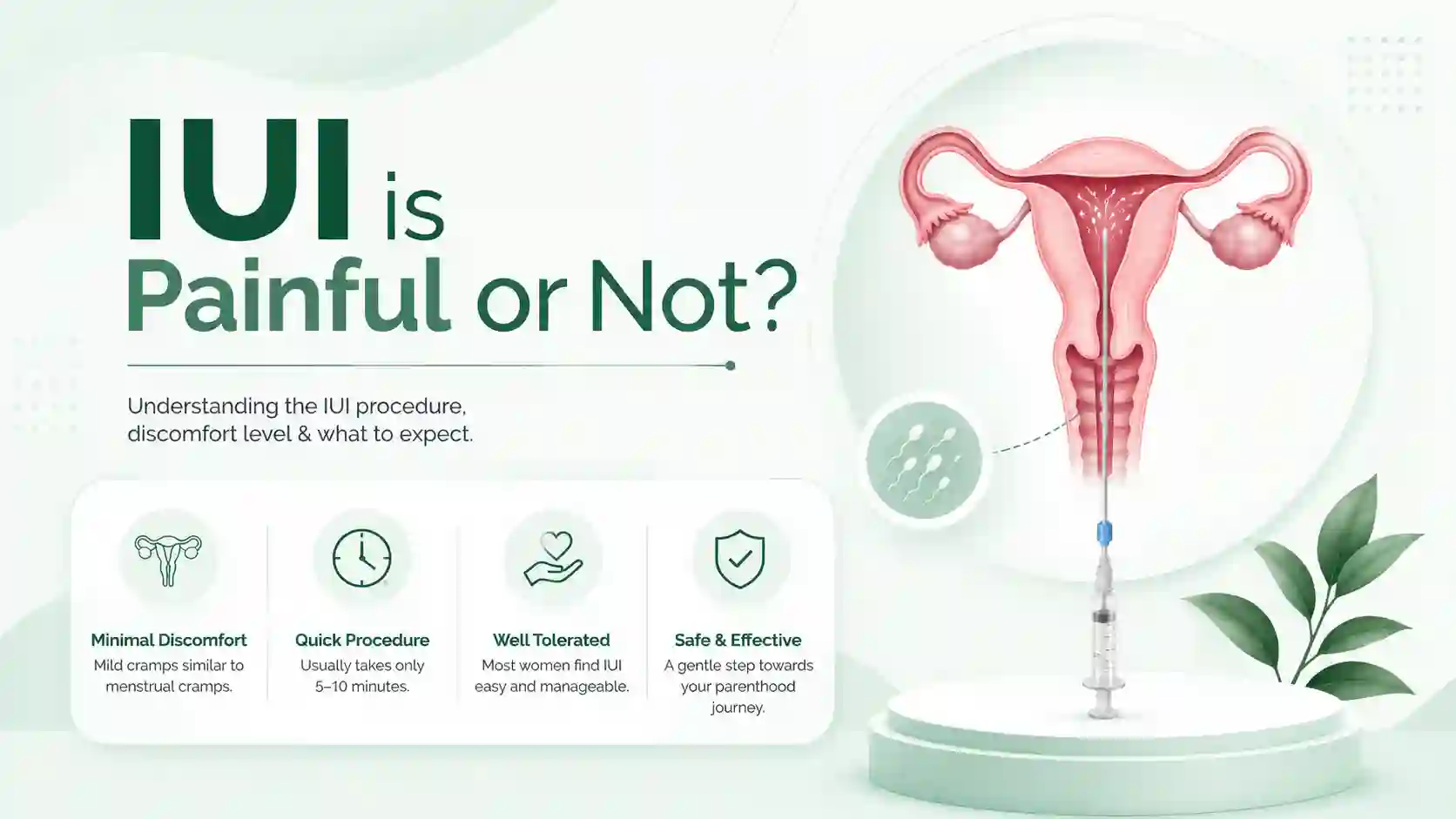
Prepared sperm is placed directly into the uterus using a thin catheter during the fertile window.
Step 5: Pregnancy Test
A pregnancy test is usually performed about two weeks after the procedure.
Proper timing throughout each step contributes to the overall success of treatment.
Benefits of IUI
IUI offers several advantages for appropriately selected patients.
Benefits include:
- Minimally invasive treatment
- No surgery required
- Lower cost than IVF
- Quick outpatient procedure
- Minimal recovery time
- Can be combined with fertility medications
- Effective for several infertility conditions
For many couples, IUI is recommended before progressing to more advanced fertility treatments.
Risks, Side Effects, or Limitations
Although IUI is generally safe, there are some limitations.
Possible side effects include:
- Mild cramping
- Light spotting
- Temporary pelvic discomfort
Potential risks include:
- Multiple pregnancy when fertility medications are used
- Rare infection
- Ovarian Hyperstimulation Syndrome (OHSS), though uncommon
- Unsuccessful treatment cycles
It is important to remember that no fertility treatment can guarantee pregnancy.
What Factors Affect IUI Success Rates?
Several medical and lifestyle factors influence IUI success rates.
Female Age
Age is one of the strongest predictors of fertility treatment success. Egg quality and ovarian reserve naturally decline over time.
Cause of Infertility
IUI tends to be more successful for:
- Unexplained infertility
- Mild male factor infertility
- Ovulation disorders
- Cervical factor infertility
It may be less effective for severe male infertility or blocked fallopian tubes.
Sperm Quality
Higher sperm count, better motility, and healthy sperm morphology improve the likelihood of fertilization.
Ovulation Timing
Accurate timing between ovulation and insemination is essential for achieving pregnancy.
Fallopian Tube Health
At least one healthy, open fallopian tube is generally required for IUI to be effective.
Lifestyle Factors
Maintaining a healthy body weight, avoiding smoking, limiting alcohol consumption, exercising regularly, and managing chronic health conditions may positively influence fertility.
Typical IUI Success Rates
There is no single success rate that applies to everyone.
Generally:
- Younger women tend to have higher pregnancy rates than older women.
- Patients with healthy fallopian tubes and good sperm quality often have better outcomes.
- Success depends on accurate ovulation timing and the underlying fertility diagnosis.
- Some patients conceive during their first cycle, while others require multiple well-timed cycles.
Your fertility specialist can provide a personalized estimate based on your age, fertility evaluation, and treatment plan.
Emotional & Patient Perspective
The emotional aspect of fertility treatment is just as important as the medical process.
Many patients experience:
- Hope and excitement
- Anxiety during the two-week wait
- Disappointment if pregnancy is not achieved
- Uncertainty about future treatment options
Seeking emotional support from your partner, family, fertility counselor, or support groups can help you navigate the ups and downs of treatment.
Remember that an unsuccessful cycle does not mean future treatment cannot be successful.
Tips to Improve Your Chances of Success
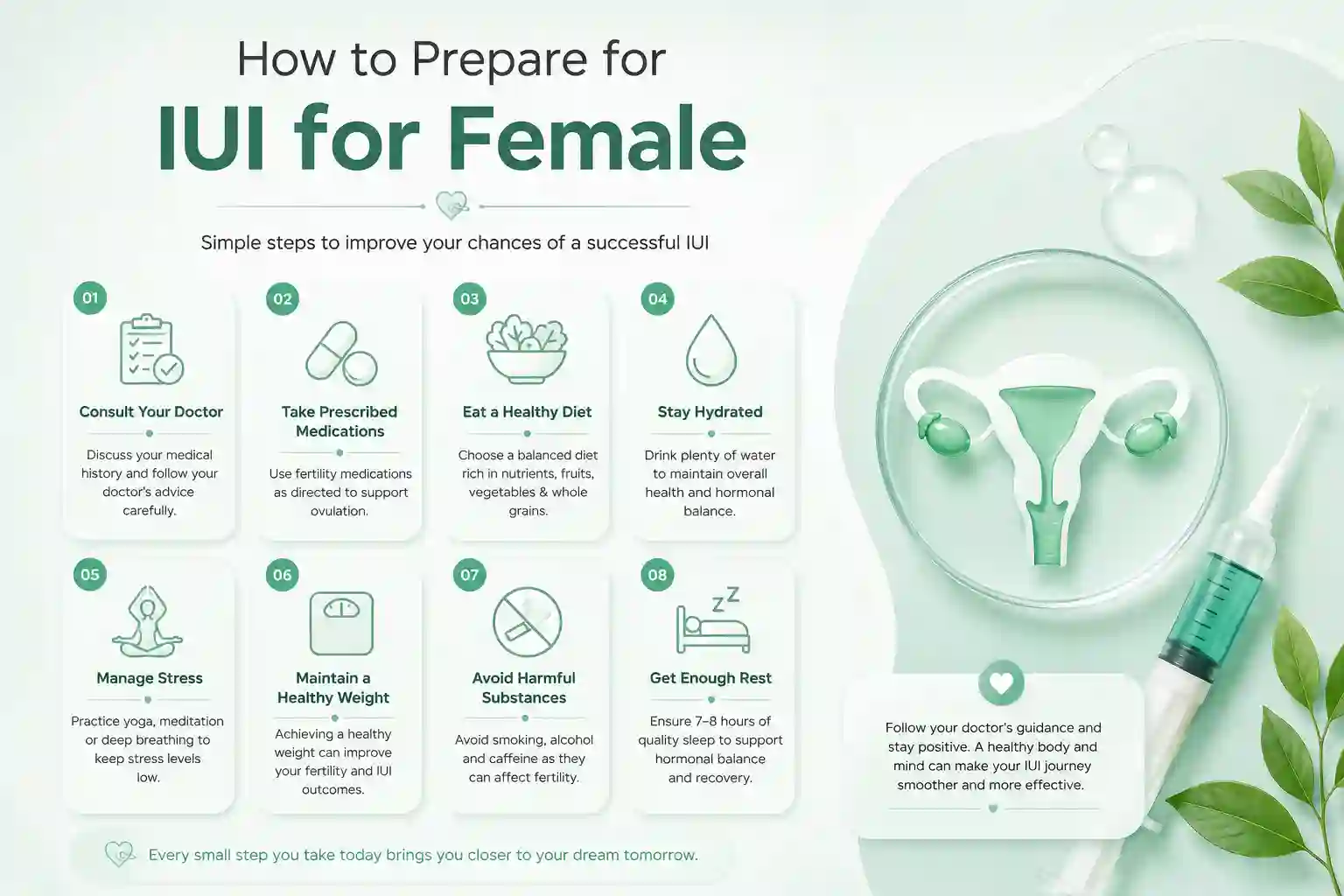
Although no strategy guarantees pregnancy, these healthy habits may help optimize fertility:
- Attend all monitoring appointments.
- Follow medication schedules carefully.
- Maintain a healthy weight.
- Eat a balanced diet rich in fruits, vegetables, whole grains, and lean protein.
- Avoid smoking and recreational drugs.
- Limit alcohol intake.
- Get regular sleep and manage stress.
- Communicate openly with your fertility specialist.
Following your personalized treatment plan is one of the best ways to support successful outcomes.
When to See a Fertility Specialist
Consider consulting a fertility specialist if:
- You are under 35 and have been trying to conceive for one year without success.
- You are 35 or older and have been trying for six months.
- You have irregular menstrual cycles.
- You have unexplained infertility.
- You have mild male factor infertility.
- You have experienced recurrent pregnancy loss.
- You have known reproductive conditions such as endometriosis or polycystic ovary syndrome (PCOS).
Early evaluation can help determine whether IUI is appropriate or whether another fertility treatment would be more effective.
Understanding IUI success rates is an important part of planning fertility treatment. Success depends on many factors, including age, fertility diagnosis, sperm quality, ovulation timing, and overall reproductive health. While IUI is an effective first-line treatment for many people, every fertility journey is unique. Working closely with a qualified fertility specialist can help you understand your individual chances of pregnancy and develop a treatment plan tailored to your specific needs.
FAQs About IUI Success Rates
1. What are IUI success rates?
IUI success rates refer to the percentage of treatment cycles that result in pregnancy after intrauterine insemination. The chances vary depending on individual fertility factors.
2. Do IUI success rates depend on age?
Yes. Female age is one of the most important factors affecting pregnancy rates because egg quality and ovarian reserve naturally decline over time.
3. Can I become pregnant after the first IUI cycle?
Yes. Some patients conceive during their first cycle, while others may require multiple treatment attempts.
4. Does sperm quality affect IUI success rates?
Yes. Healthy sperm count, motility, and morphology improve the likelihood of successful fertilization.
5. How many IUI cycles are usually recommended?
The recommended number depends on your age, fertility diagnosis, and treatment response. Your fertility specialist will guide you based on your individual circumstances.
6. Can lifestyle changes improve IUI success rates?
Maintaining a healthy lifestyle, avoiding smoking, managing stress, eating a balanced diet, and following medical advice may support overall fertility and treatment outcomes.
7. When should I consider IVF instead of IUI?
If several well-timed IUI cycles are unsuccessful or if you have blocked fallopian tubes, severe male factor infertility, diminished ovarian reserve, or other complex fertility conditions, your fertility specialist may recommend IVF as the next step.