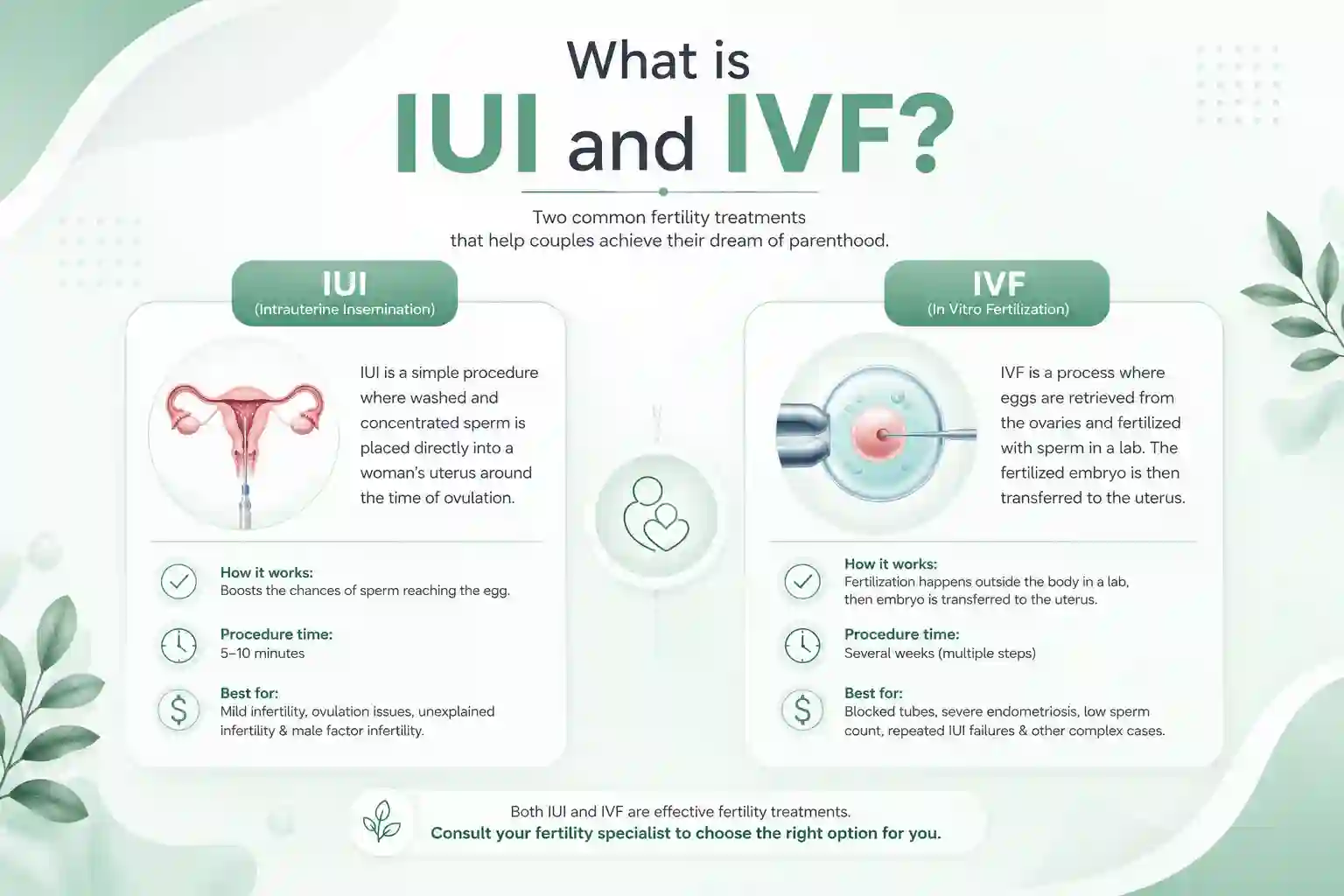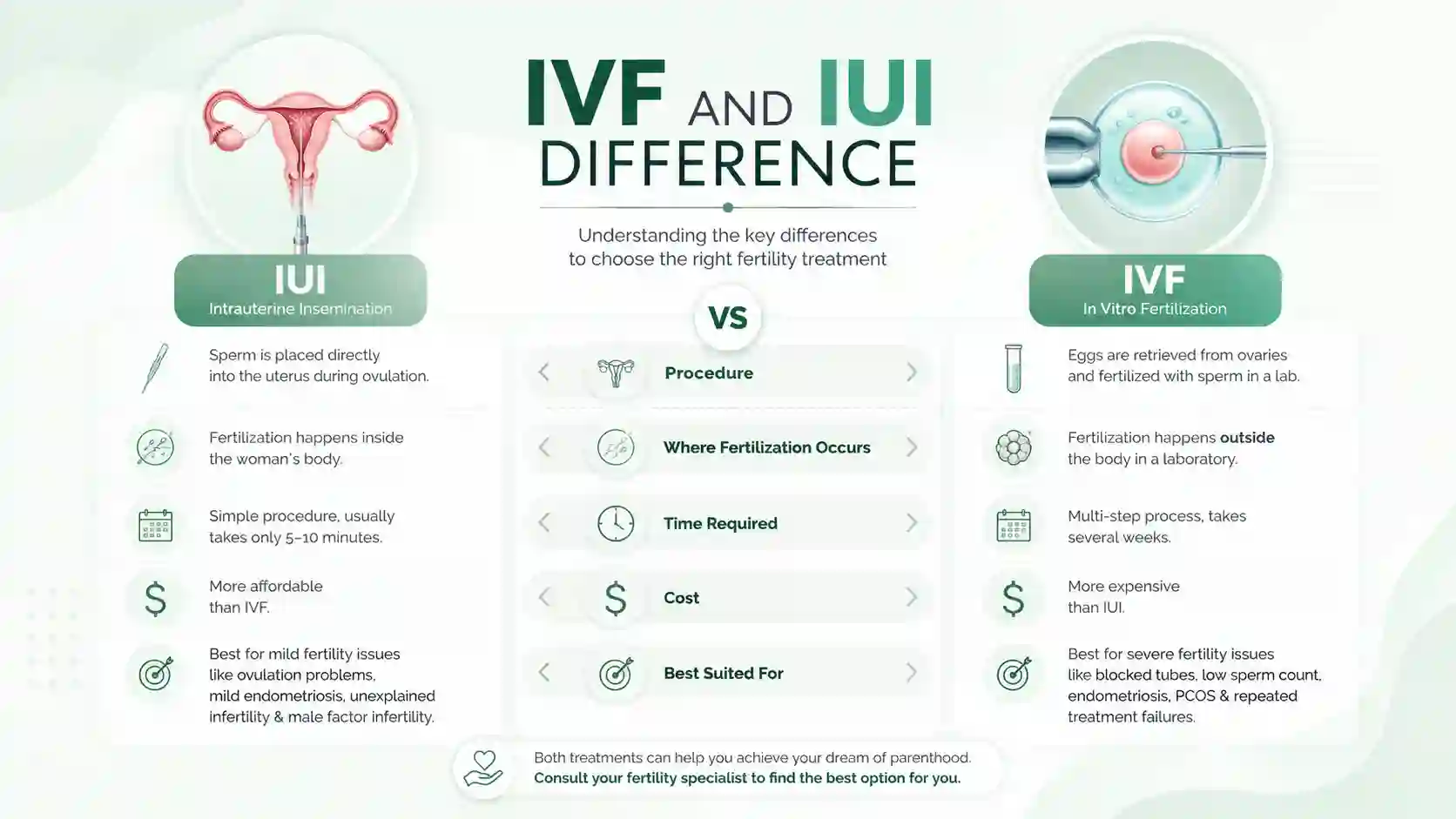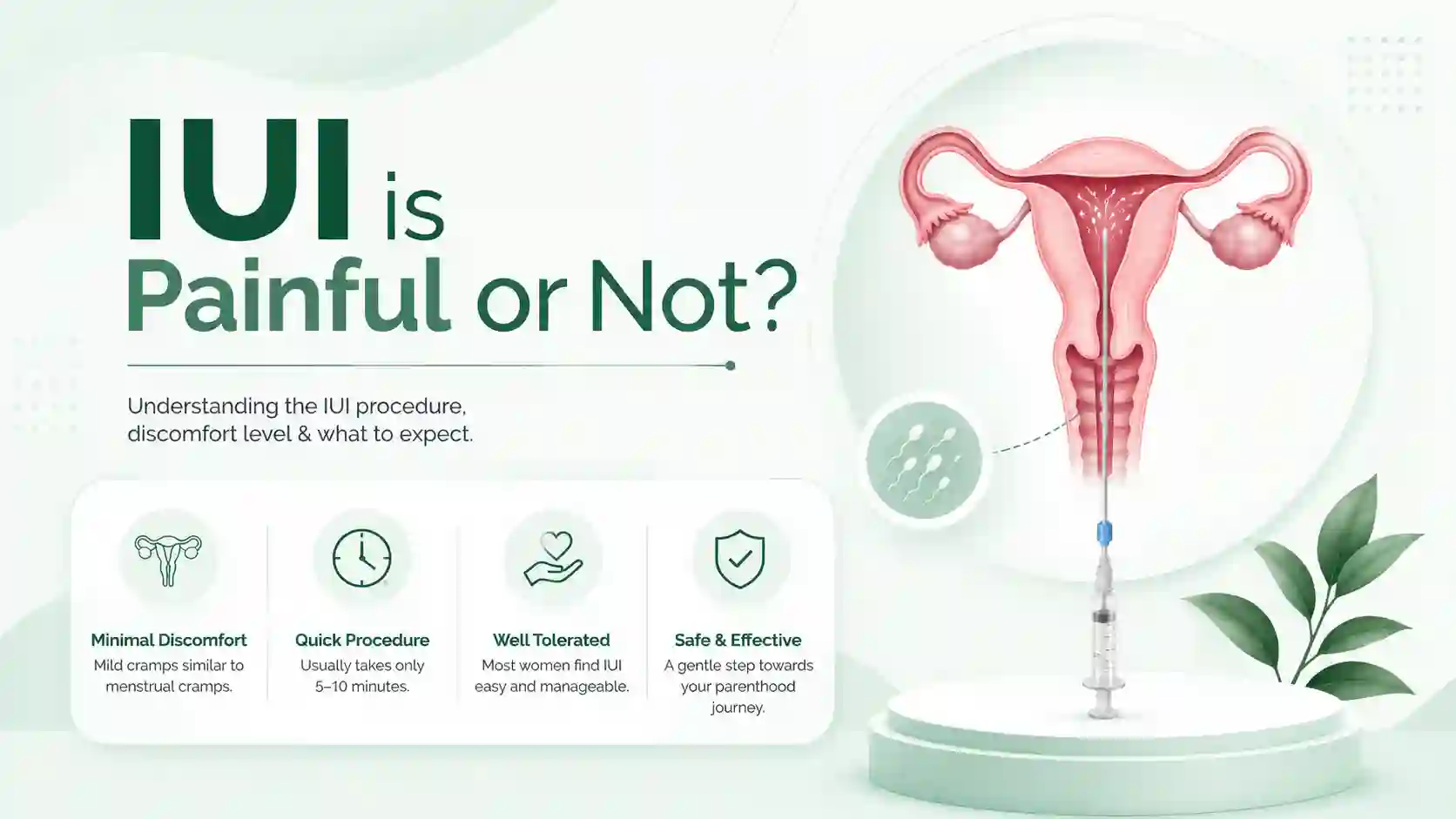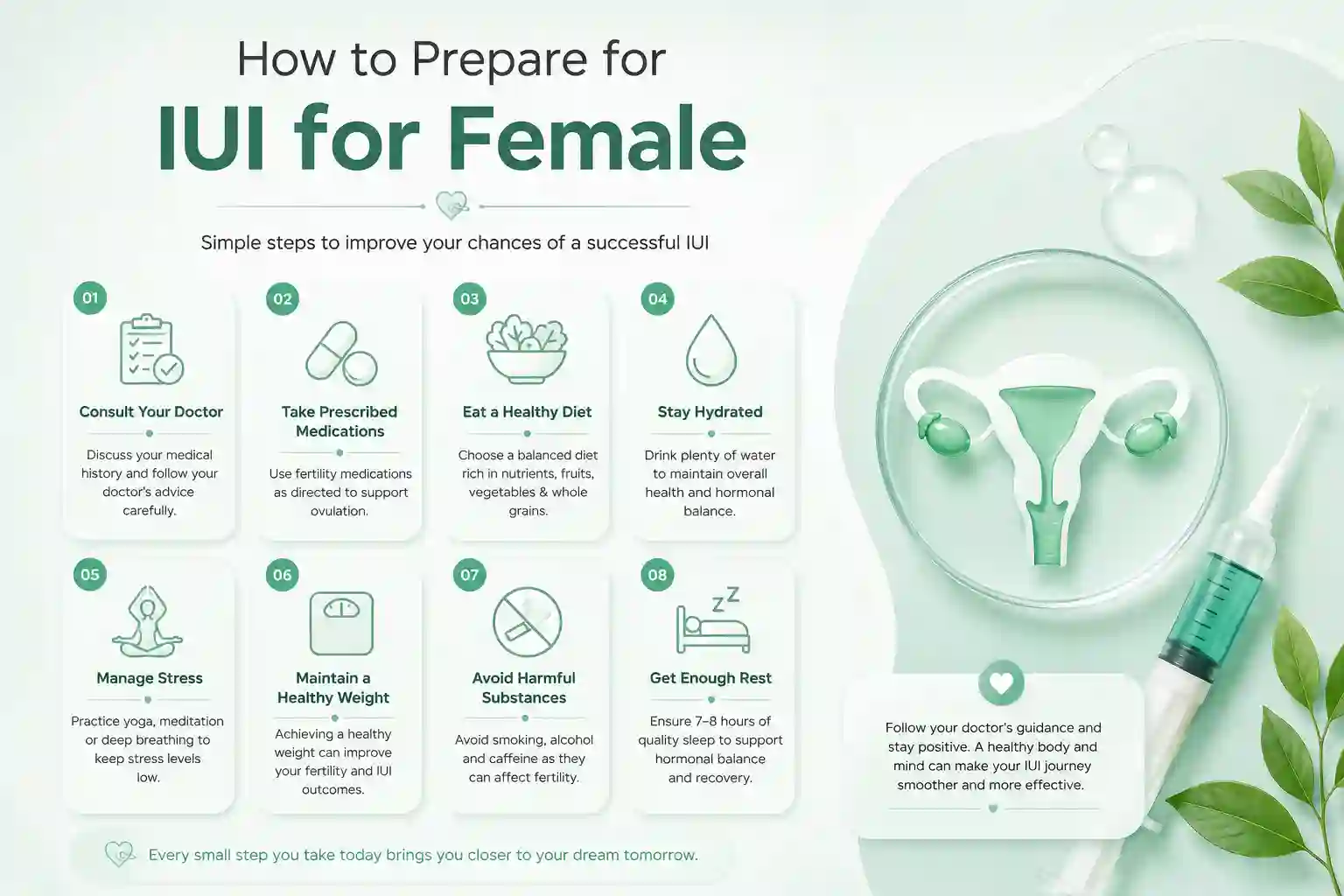
If you’re considering fertility treatment, understanding the IVF stages can help you feel more prepared and confident throughout your journey. In vitro fertilization (IVF) is one of the most effective forms of assisted reproductive technology (ART), helping millions of individuals and couples overcome infertility.
Although the IVF process may seem complex at first, it follows a well-structured sequence of medical steps. Each stage has a specific purpose, from stimulating the ovaries to transferring a healthy embryo into the uterus. Knowing what happens during each phase can reduce anxiety and help you actively participate in your treatment.
What Are IVF Stages?
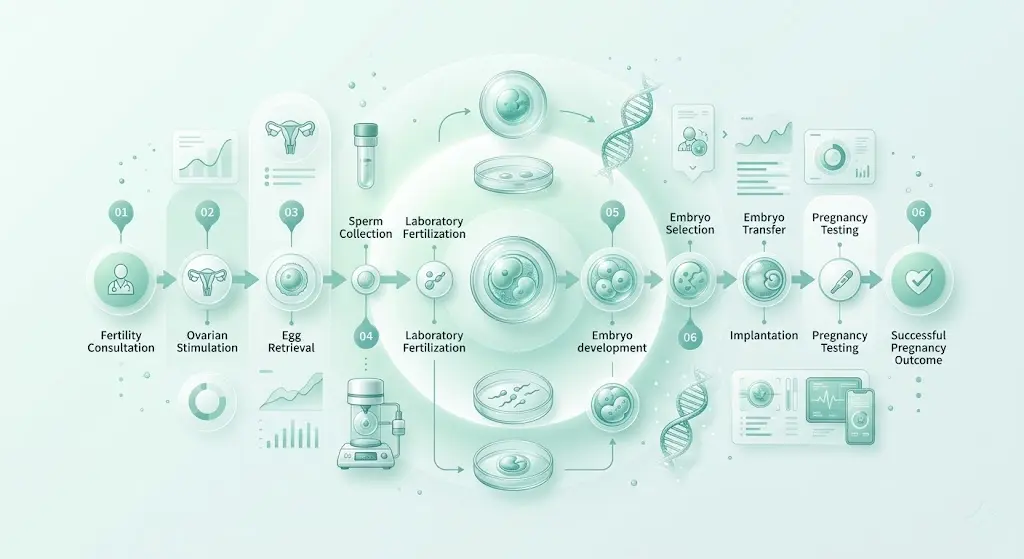
The IVF stages are the series of carefully planned medical procedures involved in in vitro fertilization. The goal is to retrieve mature eggs, fertilize them with sperm in a laboratory, grow healthy embryos, and transfer an embryo into the uterus to achieve pregnancy.
While every treatment plan is personalized, most IVF cycles follow the same general stages:
- Initial fertility consultation
- Fertility testing
- Ovarian stimulation
- Monitoring
- Trigger injection
- Egg retrieval
- Fertilization
- Embryo culture
- Embryo transfer
- Pregnancy testing
Each stage is closely monitored by a fertility specialist to optimize the chances of success.
Why Are IVF Stages Important?
Understanding the IVF stages helps patients know what to expect and why each step is necessary.
Each stage contributes to:
- Producing healthy eggs
- Improving fertilization rates
- Supporting embryo development
- Maximizing implantation potential
- Monitoring patient safety
- Personalizing fertility treatment
Following the recommended treatment schedule carefully is important because timing plays a crucial role in IVF success.
How Do the IVF Stages Work?
Stage 1: Initial Consultation and Fertility Assessment
The IVF journey begins with a comprehensive evaluation.
Your fertility specialist may recommend:
- Medical history review
- Physical examination
- Hormone blood tests
- Pelvic ultrasound
- Ovarian reserve testing
- Semen analysis
- Additional fertility investigations if needed
These tests help determine the most appropriate treatment plan.
Stage 2: Ovarian Stimulation
Fertility medications stimulate the ovaries to produce multiple mature eggs instead of the single egg typically released during a natural cycle.
Daily hormone injections are usually given for approximately 8 to 14 days.
Stage 3: Monitoring Follicle Development
During stimulation, regular ultrasounds and blood tests monitor follicle growth and hormone levels.
This allows the fertility team to adjust medications if necessary and determine the optimal timing for egg retrieval.
Stage 4: Trigger Injection
Once the eggs reach the appropriate stage of maturity, a trigger injection is administered to prepare them for collection.
The timing of this injection is carefully coordinated because egg retrieval is typically scheduled about 34–36 hours later.
Stage 5: Egg Retrieval
Egg retrieval is a minimally invasive procedure performed under sedation.
Using ultrasound guidance, the fertility specialist collects mature eggs from the ovaries with a fine needle.
Most patients return home the same day.
Stage 6: Fertilization
In the laboratory, the collected eggs are combined with sperm.
Depending on the clinical situation, fertilization may occur through:
- Conventional IVF
- Intracytoplasmic Sperm Injection (ICSI)
The fertilized eggs begin developing into embryos.
Stage 7: Embryo Culture
Embryologists monitor embryo growth over several days.
The embryos are assessed for:
- Cell division
- Developmental progress
- Overall quality
Some patients may also undergo preimplantation genetic testing (PGT) if medically appropriate.
Stage 8: Embryo Transfer
One or more selected embryos are transferred into the uterus using a thin catheter.
The procedure is usually quick and does not require anesthesia.
Stage 9: Pregnancy Test
Approximately 10 to 14 days after embryo transfer, a blood test measures human chorionic gonadotropin (hCG) to determine whether pregnancy has been achieved.
Benefits of Understanding IVF Stages
Knowing each stage of IVF can provide several advantages.
Benefits include:
- Reduced anxiety
- Better treatment preparation
- Improved understanding of medication schedules
- Increased confidence during treatment
- More effective communication with the fertility team
- Realistic expectations throughout the process
Patients who understand the IVF process often feel more empowered during treatment.
Risks, Side Effects, or Limitations
Although IVF is generally considered safe, it involves certain risks.
Possible side effects include:
- Bloating
- Mild abdominal discomfort
- Mood changes
- Injection site soreness
- Fatigue
Potential risks include:
- Ovarian Hyperstimulation Syndrome (OHSS)
- Multiple pregnancy if multiple embryos are transferred
- Procedure-related complications
- Cycle cancellation
- Emotional stress if treatment is unsuccessful
Your fertility specialist will discuss these risks before treatment begins.
IVF Timeline and Success Rate
Timeline
A typical IVF cycle usually takes about four to six weeks from ovarian stimulation to pregnancy testing.
Additional time may be needed if embryos are frozen before transfer.
Success Rate
Success rates depend on several factors, including:
- Female age
- Egg quality
- Sperm quality
- Embryo quality
- Uterine health
- Underlying fertility diagnosis
While IVF has helped many people achieve pregnancy, no treatment can guarantee success.
Factors Affecting IVF Results
Several factors influence IVF outcomes.
Age
Younger women generally have higher success rates due to better egg quality.
Ovarian Reserve
The number and quality of available eggs affect response to treatment.
Embryo Quality
Healthy embryos have a greater likelihood of implantation.
Lifestyle
Maintaining a healthy weight, avoiding smoking, limiting alcohol, and managing chronic medical conditions may support fertility.
Fertility Clinic Experience
Experienced reproductive specialists and advanced laboratory facilities play an important role in IVF care.
Emotional & Patient Perspective
The IVF journey is often emotionally demanding.
Patients may experience:
- Hope
- Excitement
- Anxiety
- Stress while waiting for results
- Disappointment if a cycle is unsuccessful
Support from partners, family, counselors, and fertility support groups can help patients cope with these emotions.
Remember that each person’s IVF journey is unique.
Tips for Preparing for IVF Stages
If you are planning IVF treatment, consider the following recommendations:
- Attend all scheduled appointments.
- Take medications exactly as prescribed.
- Maintain a balanced diet.
- Stay physically active with moderate exercise.
- Get adequate sleep.
- Avoid smoking and recreational drugs.
- Ask questions whenever you are uncertain.
- Build a support system throughout your treatment.
Good preparation can help you navigate each stage more confidently.
When to See a Fertility Specialist
Consider consulting a fertility specialist if:
- You are under 35 and have been trying to conceive for one year.
- You are over 35 and have been trying for six months.
- You have irregular menstrual cycles.
- You have known reproductive health conditions such as endometriosis or PCOS.
- You have experienced recurrent pregnancy loss.
- There are concerns about sperm quality.
Early evaluation can help identify fertility issues and determine whether IVF is an appropriate treatment option.
Understanding the IVF stages can make the fertility journey feel less overwhelming. From the initial consultation and ovarian stimulation to egg retrieval, fertilization, embryo transfer, and pregnancy testing, each stage plays an important role in the overall treatment process. By learning what to expect and working closely with an experienced fertility specialist, patients can approach IVF with greater confidence and realistic expectations.
FAQs About IVF Stages
1. How many IVF stages are there?
A typical IVF cycle includes consultation, fertility testing, ovarian stimulation, monitoring, trigger injection, egg retrieval, fertilization, embryo culture, embryo transfer, and pregnancy testing.
2. How long do IVF stages take?
Most IVF cycles take approximately four to six weeks, although timelines vary depending on the treatment plan.
3. Which IVF stage is the most important?
Every stage is important, but proper ovarian stimulation, healthy embryo development, and successful embryo implantation are especially critical for achieving pregnancy.
4. Is egg retrieval painful?
Egg retrieval is usually performed under sedation, so most patients experience minimal discomfort during the procedure. Mild cramping afterward is common.
5. How many embryos are transferred during IVF?
The number depends on factors such as age, embryo quality, and medical recommendations. Many clinics now recommend single embryo transfer when appropriate to reduce the risk of multiple pregnancies.
6. What happens after embryo transfer?
Patients typically continue prescribed medications and return for a blood pregnancy test about 10–14 days later to determine whether implantation has occurred.
7. Can IVF stages vary between patients?
Yes. While the general process is similar, medication protocols, laboratory techniques, timing, and additional procedures may vary based on each patient’s fertility diagnosis and treatment goals.