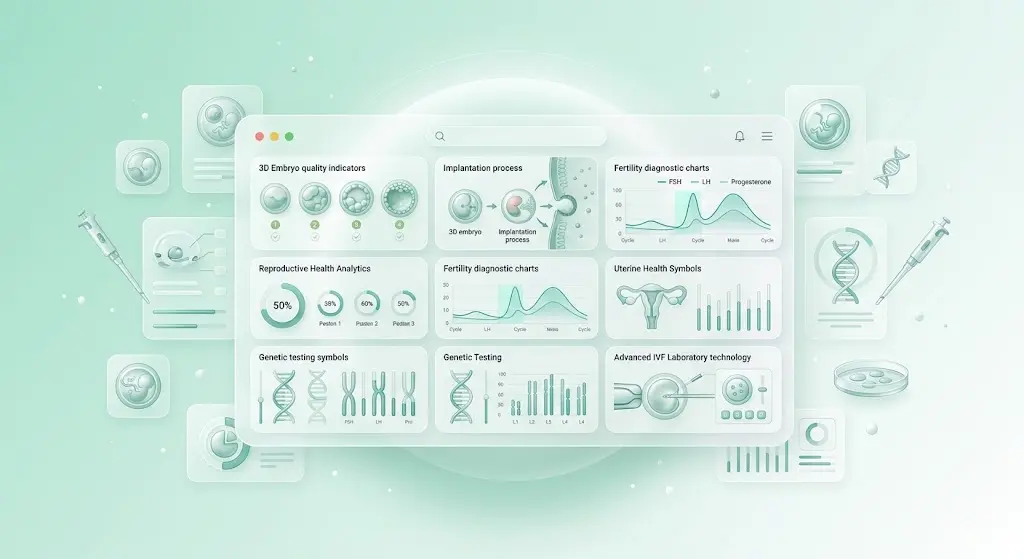
For many couples, IVF offers hope after struggling with infertility. However, not every IVF cycle results in pregnancy. Understanding IVF failure reasons can help patients make sense of an unsuccessful cycle and discuss the best next steps with their fertility specialist.
It’s important to know that an unsuccessful IVF cycle does not necessarily mean pregnancy is impossible. Many patients who experience IVF failure go on to achieve successful pregnancies in later cycles.
What Are IVF Failure Reasons?
IVF failure occurs when:
- An embryo does not implant in the uterus, or
- A pregnancy test remains negative after embryo transfer, or
- An early pregnancy loss occurs after implantation.
There is rarely a single explanation. In most cases, multiple factors contribute to the outcome.
Why Is Understanding IVF Failure Reasons Important?
Learning why IVF may fail can help:
- Guide future treatment decisions
- Identify correctable issues
- Improve future IVF planning
- Reduce uncertainty and frustration
- Set realistic expectations
A detailed review of the cycle often provides valuable information.
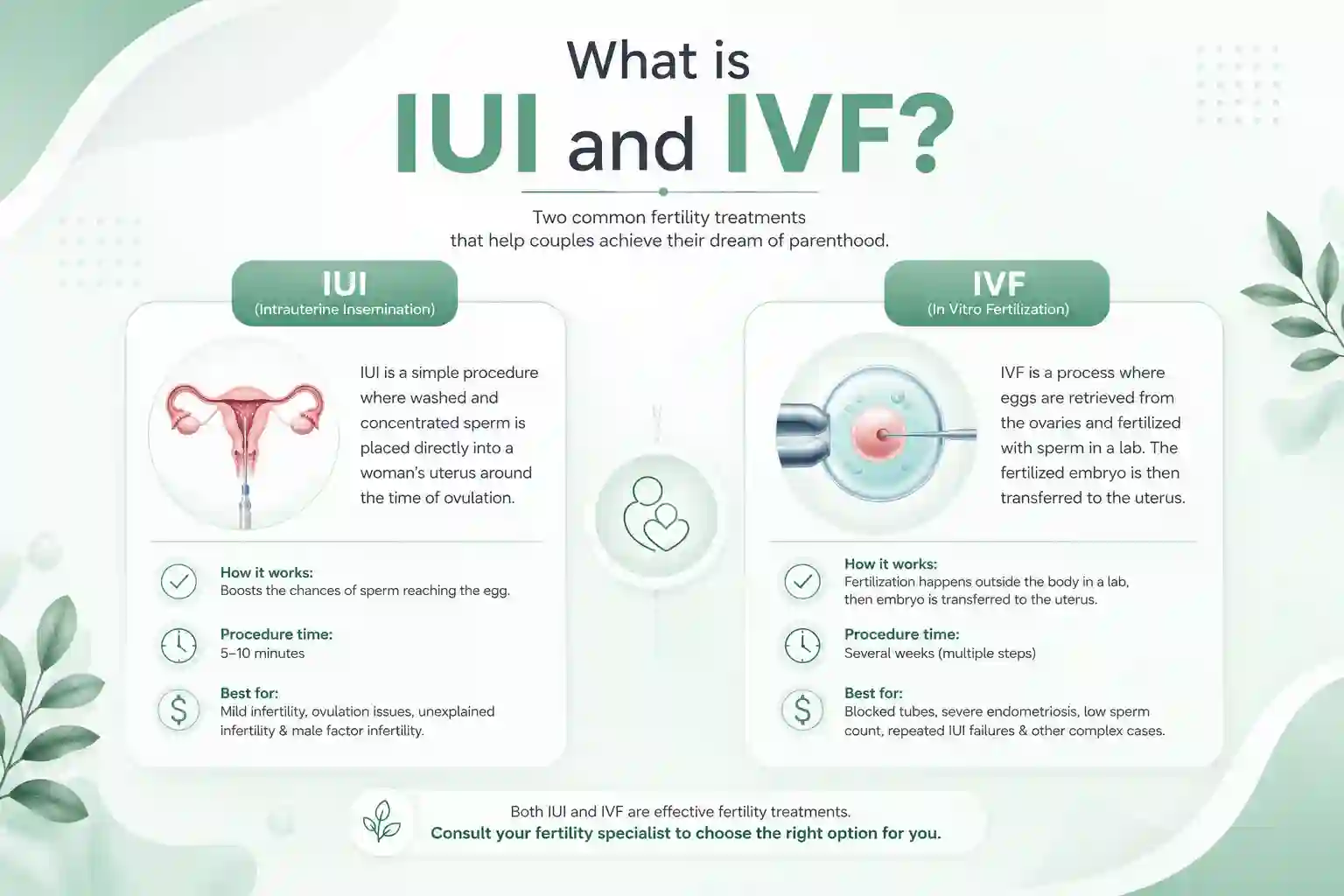
How Does IVF Normally Work?
Understanding the IVF process helps explain where problems can occur.
Step 1: Ovarian Stimulation
The ovaries are stimulated to produce multiple eggs.
Step 2: Egg Retrieval
Mature eggs are collected.
Step 3: Fertilization
Eggs and sperm are combined in the laboratory.
Step 4: Embryo Development
Embryos are cultured and monitored.
Step 5: Embryo Transfer
An embryo is transferred into the uterus.
Step 6: Implantation
The embryo attaches to the uterine lining and begins developing.
Failure can occur at any stage of this process.
Most Common IVF Failure Reasons
Embryo Quality Problems
One of the most common IVF failure reasons is poor embryo quality.
Embryos may have:
- Chromosomal abnormalities
- Developmental issues
- Reduced implantation potential
Even embryos that appear healthy under a microscope may have genetic abnormalities that prevent successful pregnancy.
Female Age
Age is one of the strongest predictors of IVF success.
As age increases:
- Egg quality declines
- Chromosomal abnormalities become more common
- Implantation rates decrease
- Miscarriage risk increases
Age-related changes are among the most important IVF failure reasons.
Poor Egg Quality
Even when multiple eggs are retrieved, not all eggs are capable of producing healthy embryos.
Poor egg quality may affect:
- Fertilization
- Embryo development
- Implantation
Egg quality often has a significant impact on IVF outcomes.
Sperm Quality Issues
Male fertility factors can contribute to IVF failure.
Problems may include:
- Low sperm count
- Poor motility
- Abnormal morphology
- DNA fragmentation
Even when fertilization occurs, sperm quality can affect embryo development.
Implantation Problems
A healthy embryo must successfully implant into the uterine lining.
Implantation problems may occur due to:
- Uterine abnormalities
- Thin endometrial lining
- Inflammation
- Hormonal factors
Successful implantation is essential for pregnancy.
Uterine Conditions
Certain uterine conditions can reduce implantation potential.
Examples include:
- Fibroids
- Polyps
- Scar tissue
- Congenital uterine abnormalities
In some cases, additional testing may be recommended.
Chromosomal Abnormalities
Chromosomal abnormalities are a leading cause of embryo implantation failure and miscarriage.
The risk increases with maternal age.
These abnormalities often occur naturally and are not caused by anything the patient did.
Hormonal Imbalances
Proper hormonal support is essential during IVF.
Problems involving:
- Progesterone
- Thyroid function
- Other reproductive hormones
may affect implantation and pregnancy maintenance.
Lifestyle Factors
Certain lifestyle habits may negatively influence fertility.
Examples include:
- Smoking
- Excessive alcohol consumption
- Obesity
- Poor sleep
- Chronic stress
While lifestyle alone rarely explains IVF failure, it can contribute to overall reproductive health.
Benefits of Identifying IVF Failure Reasons
Understanding the cause of a failed cycle may help:
Improve Future Treatment Planning
Doctors can adjust treatment protocols.
Identify Correctable Problems
Certain issues can be treated before another cycle.
Guide Additional Testing
Further evaluation may provide useful information.
Support Personalized Care
Treatment can be tailored to the patient’s specific situation.
Risks, Side Effects, or Limitations
Sometimes No Clear Cause Is Found
Not every failed IVF cycle has an identifiable explanation.
Additional Testing May Be Needed
Further evaluation may increase costs and extend treatment timelines.
Multiple Factors Often Contribute
IVF failure is rarely caused by a single issue.
Emotional Impact
An unsuccessful cycle can be emotionally difficult for patients and families.
Cost, Timeline, or Success Rate
Does One Failed Cycle Mean IVF Won’t Work?
No.
Many patients who experience one failed IVF cycle later achieve pregnancy.
Can Success Improve in Future Cycles?
Yes.
Doctors may modify:
- Medication protocols
- Embryo transfer strategies
- Laboratory techniques
- Additional testing plans
Future cycles may benefit from information learned during previous attempts.
Factors Affecting Future IVF Success
Female Age
Age remains one of the strongest predictors of future success.
Embryo Quality
High-quality embryos improve implantation chances.
Uterine Health
A healthy uterine environment supports pregnancy.
Fertility Diagnosis
Understanding the underlying cause of infertility helps guide treatment.
Lifestyle Optimization
Improving overall health may support reproductive outcomes.
Emotional & Patient Perspective
Experiencing IVF failure can be emotionally challenging.
Patients often feel:
- Disappointed
- Frustrated
- Sad
- Confused
These feelings are completely understandable.
It is important to remember that a failed IVF cycle does not define future possibilities. Many successful pregnancies occur after one or more unsuccessful attempts.
Emotional support, counseling, and open communication with your fertility team can be extremely valuable.
What Should You Do After IVF Failure?
After an unsuccessful cycle:
Schedule a Follow-Up Consultation
Review the cycle in detail with your fertility specialist.
Discuss Possible Causes
Ask about:
- Embryo quality
- Egg quality
- Sperm factors
- Uterine health
Review Future Options
Possible next steps may include:
- Another IVF cycle
- Additional testing
- Embryo freezing
- Genetic testing
- Treatment protocol adjustments
Take Time to Recover
Emotional and physical recovery are important before making future decisions.
When to See a Fertility Specialist
You should seek fertility evaluation if:
- You have experienced a failed IVF cycle
- You have recurrent pregnancy loss
- You have known fertility conditions
- You are planning additional fertility treatment
A personalized evaluation can help determine the most appropriate next steps.
Conclusion
Understanding IVF failure reasons can help patients make sense of an unsuccessful treatment cycle and prepare for future fertility decisions. Common causes include embryo quality issues, age-related factors, sperm problems, implantation difficulties, uterine conditions, hormonal imbalances, and chromosomal abnormalities.
While IVF failure can be emotionally difficult, it does not mean that future pregnancy is impossible. Many patients achieve successful outcomes after reviewing their treatment, addressing potential issues, and working closely with their fertility specialist to develop a personalized plan.
FAQs About IVF Failure Reasons
What is the most common reason for IVF failure?
Embryo quality and chromosomal abnormalities are among the most common reasons IVF may fail.
Can age affect IVF success?
Yes. Female age is one of the strongest predictors of IVF success and failure.
Can poor sperm quality cause IVF failure?
Yes. Sperm quality can affect fertilization, embryo development, and implantation potential.
Does a failed IVF cycle mean I cannot get pregnant?
No. Many patients achieve successful pregnancies after one or more failed cycles.
Can implantation failure cause IVF failure?
Yes. Even healthy embryos must successfully implant into the uterine lining.
Should I try IVF again after a failed cycle?
The answer depends on your individual circumstances. Many patients benefit from reviewing the cycle and discussing future options with their fertility specialist.
Can lifestyle factors affect IVF outcomes?
Healthy lifestyle habits may support overall reproductive health and fertility treatment outcomes.