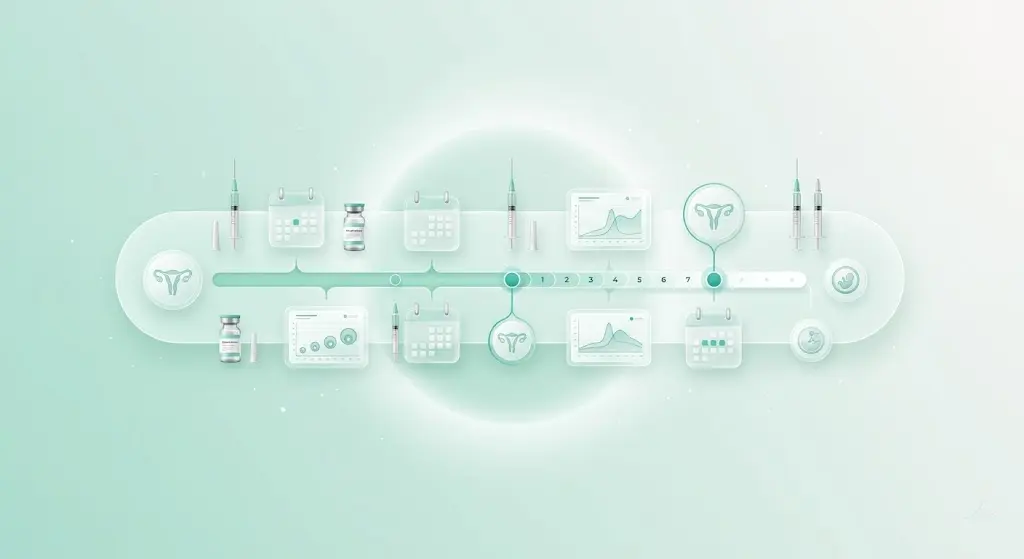
One of the first questions many patients ask before starting fertility treatment is: “IVF injections how many days are needed?” Understanding the IVF injection timeline can help reduce anxiety and make the treatment process feel more manageable.
IVF injections are a critical part of fertility treatment because they help stimulate the ovaries, support egg development, and prepare the body for egg retrieval and embryo transfer. The exact number of days varies from person to person, but most patients take IVF injections for about 8 to 14 days during the ovarian stimulation phase.
This guide explains how long IVF injections typically last, why the timeline varies, and what patients can expect throughout treatment.
What Is IVF Injections How Many Days?
The phrase IVF injections how many days refers to the length of time fertility medications are used during an IVF cycle.
IVF injections are hormone medications that help:
- Stimulate multiple eggs to develop
- Prevent premature ovulation
- Trigger final egg maturation
- Support embryo implantation
The number of injection days depends on individual fertility factors and how the ovaries respond to treatment.
Why Is IVF Injections How Many Days Important?
Understanding the injection timeline helps patients:
- Prepare mentally for treatment
- Plan work and personal schedules
- Organize medication routines
- Reduce treatment-related stress
- Follow instructions accurately
Knowing what to expect can make IVF feel less overwhelming and improve treatment adherence.
How Does IVF Injections How Many Days Work?
IVF medications are given in stages, and each type of injection has a specific purpose.
Stage 1: Ovarian Stimulation Injections
This is the longest phase of IVF injections.
The goal is to stimulate the ovaries to produce multiple mature eggs rather than the single egg normally released during ovulation.
Most patients take stimulation injections for:
8–14 days
Common medications may include:
- Follicle Stimulating Hormone (FSH)
- Human Menopausal Gonadotropin (hMG)
Doctors monitor progress using ultrasounds and blood tests.
Stage 2: Ovulation Suppression Injections
Many IVF protocols include medications that prevent eggs from being released too early.
These injections may be taken for:
4–7 days or longer, depending on the treatment protocol.
Stage 3: Trigger Shot
Once the eggs reach maturity, a trigger injection is given.
The trigger shot:
- Helps eggs complete maturation
- Prepares for egg retrieval
This is usually:
One injection only
The timing is extremely important because egg retrieval is generally scheduled 34–36 hours later.
Stage 4: Progesterone Support
After egg retrieval or embryo transfer, some patients require progesterone support.
Progesterone may be given through:
- Injections
- Vaginal suppositories
- Gel formulations
If injections are used, they may continue for:
Several days to several weeks
depending on the clinic protocol and pregnancy outcome.
Typical IVF Injection Timeline
| IVF Stage | Typical Duration |
| Ovarian stimulation | 8–14 days |
| Ovulation suppression | 4–7+ days |
| Trigger shot | 1 day |
| Progesterone support | Days to weeks |
For most patients, the primary IVF stimulation injections last approximately 10–14 days total.
Benefits of IVF Injections
Although daily injections can feel intimidating, they play an essential role in treatment success.
Increased Egg Production
More eggs may increase the number of embryos available for fertilization.
Better Fertility Control
Doctors can carefully control ovulation timing.
Improved IVF Planning
Regular monitoring allows treatment to be adjusted as needed.
Personalized Treatment
Medication doses are tailored to each patient’s ovarian response.
Risks, Side Effects, or Limitations
Like all medications, IVF injections can cause side effects.
Common IVF Injection Side Effects
Patients may experience:
- Bloating
- Mild cramping
- Fatigue
- Mood swings
- Breast tenderness
- Headaches
- Injection site redness
These symptoms are usually temporary.
Ovarian Hyperstimulation Syndrome (OHSS)
Rarely, the ovaries may respond too strongly to stimulation medications.
Symptoms can include:
- Severe bloating
- Rapid weight gain
- Pelvic pain
- Nausea
Medical attention should be sought if severe symptoms occur.
Emotional Challenges
Daily injections and frequent appointments can feel emotionally demanding.
Cost, Timeline, or Success Rate
Medication costs often represent a significant portion of IVF expenses.
The cost depends on:
- Medication type
- Dosage requirements
- Treatment duration
- Fertility clinic protocols
Treatment Timeline
Most IVF cycles take approximately:
4–6 weeks from start to finish
The injection phase typically occupies the first 1–2 weeks of treatment.
Success Rates
The duration of injections does not necessarily predict success.
Success depends on factors such as:
- Age
- Egg quality
- Embryo quality
- Uterine health
- Overall reproductive health
Factors Affecting How Many Days IVF Injections Are Needed
Several factors determine how long injections will continue.
Age
Older patients may require different stimulation protocols.
Ovarian Reserve
Women with lower ovarian reserve may respond differently to medications.
PCOS
Patients with Polycystic Ovary Syndrome often require careful monitoring to avoid overstimulation.
Individual Hormonal Response
Every patient’s ovaries respond differently to fertility medications.
IVF Protocol Type
Different clinics may use:
- Long protocols
- Antagonist protocols
- Mini-IVF protocols
Each protocol affects the injection schedule.
Emotional & Patient Perspective
Many patients feel anxious about daily injections before IVF begins.
Common concerns include:
- Fear of needles
- Worry about side effects
- Concern about making mistakes
- Stress about treatment outcomes
The reassuring news is that most patients become comfortable with the routine after a few days.
Helpful strategies include:
- Setting medication reminders
- Using a treatment calendar
- Asking nurses for injection training
- Having partner support
Good organization can significantly reduce treatment stress.
Tips, Recommendations, or Preparation Guide
If you are preparing for IVF injections, consider these tips:
- Follow medication schedules exactly
- Store medications correctly
- Rotate injection sites
- Stay hydrated
- Attend all monitoring appointments
- Ask questions if instructions are unclear
- Never adjust doses without medical guidance
Consistency is one of the most important parts of successful IVF treatment.
When to See a Fertility Specialist
Contact your fertility specialist if you experience:
- Severe abdominal pain
- Rapid weight gain
- Difficulty breathing
- Heavy bleeding
- Severe nausea or vomiting
- Concerns about medication timing
Prompt communication can help prevent complications and keep treatment on track.
If you are wondering IVF injections how many days, the answer for most patients is approximately 8–14 days of ovarian stimulation injections, followed by a trigger shot and, in some cases, progesterone support. The exact timeline depends on age, ovarian reserve, fertility diagnosis, and individual response to treatment.
Although daily injections may seem intimidating at first, they are a vital part of IVF and help fertility specialists optimize egg development and treatment outcomes. Working closely with your fertility team and following medication instructions carefully can help make the process smoother and less stressful.
FAQs About IVF Injections How Many Days
How many days do IVF injections usually last?
Most patients take ovarian stimulation injections for approximately 8–14 days.
Are IVF injections taken every day?
Yes. Most stimulation medications are given daily during the ovarian stimulation phase.
How many injections are required during IVF?
The number varies depending on the protocol, but many patients take daily injections for 1–2 weeks.
What happens after IVF injections are finished?
A trigger shot is given, followed by egg retrieval approximately 34–36 hours later.
Can IVF injections continue after embryo transfer?
Some patients receive progesterone injections or other hormonal support after embryo transfer.