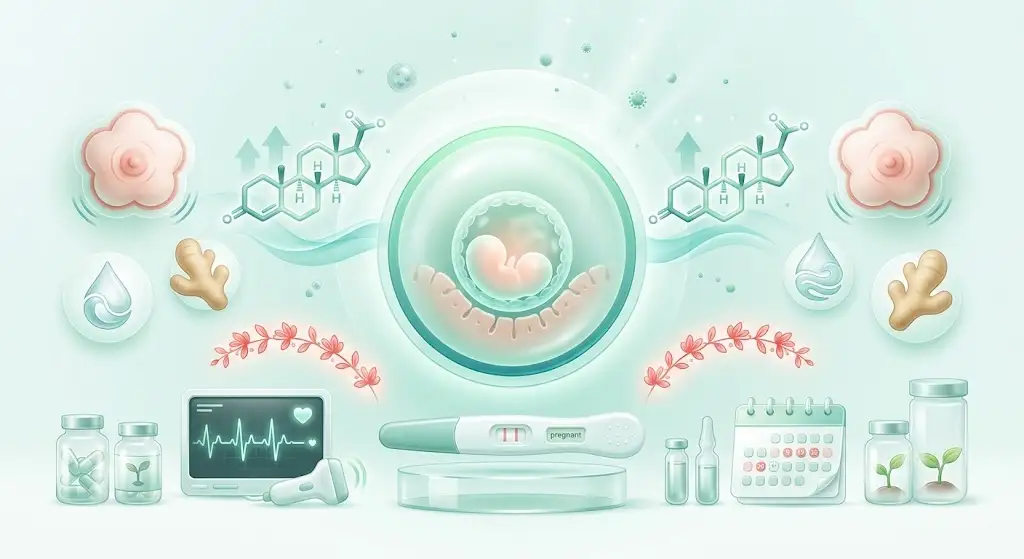
After embryo transfer, many patients closely monitor their bodies for possible IVF pregnancy symptoms. The waiting period after IVF treatment can feel emotional and stressful, especially for couples hoping for positive pregnancy results.
Understanding common IVF pregnancy symptoms can help patients know what to expect during the early stages after embryo transfer.
What Are IVF Pregnancy Symptoms?
IVF pregnancy symptoms are physical and emotional changes that may appear after successful embryo implantation during IVF treatment.
These symptoms may occur because:
- Hormone levels begin changing
- The embryo implants into the uterine lining
- Pregnancy starts developing
However, every patient’s experience is different, and some successful pregnancies may have very few symptoms.
When Do IVF Pregnancy Symptoms Start?
Symptoms may begin:
- A few days after embryo transfer
or - Around the time of the pregnancy test
The timing depends on:
- Implantation timing
- Hormone levels
- Individual body response
Some patients notice symptoms early, while others experience none at all.
Common IVF Pregnancy Symptoms
1. Mild Cramping
Light cramping is one of the most common early IVF pregnancy symptoms.
This may happen because:
- The embryo attaches to the uterine lining
Mild cramping is usually temporary and not severe.
2. Implantation Spotting
Some women experience:
- Light pink or brown spotting
This can occur when implantation takes place inside the uterus.
Heavy bleeding should always be reported to a doctor.
3. Breast Tenderness
Hormonal changes during early pregnancy may cause:
- Breast swelling
- Sensitivity
- Mild discomfort
Progesterone medications used during IVF may also contribute to this symptom.
4. Fatigue
Feeling unusually tired is very common during early IVF pregnancy.
This happens because:
- Progesterone levels increase
- The body begins supporting pregnancy
5. Bloating
Many patients experience:
- Mild abdominal bloating
- Fullness or heaviness
Hormone medications and early pregnancy changes can both cause bloating.
6. Frequent Urination
Increased hormone levels may lead to:
- More frequent trips to the bathroom
This can happen in early pregnancy stages.
7. Nausea
Some patients experience:
- Mild nausea or morning sickness
However, nausea usually appears later in pregnancy rather than immediately after transfer.
Can IVF Medications Cause Similar Symptoms?
Yes, IVF medications can mimic pregnancy symptoms.
Progesterone and fertility medications may cause:
- Breast tenderness
- Bloating
- Fatigue
- Mood changes
This is why symptoms alone cannot confirm pregnancy.
Are No Symptoms a Bad Sign?
No. Many successful IVF pregnancies happen without noticeable symptoms.
Some patients with strong symptoms receive negative pregnancy tests, while others with no symptoms receive positive results.
The only reliable confirmation is:
- A blood pregnancy test (beta hCG)
Emotional Stress During the Two-Week Wait
The period after embryo transfer can feel emotionally intense.
Patients often experience:
- Anxiety
- Constant symptom checking
- Fear of treatment failure
- Emotional ups and downs
Support from doctors, family, and counselors can help reduce stress during this waiting period.
When to Contact Your Doctor
You should contact your fertility specialist if you experience:
- Heavy bleeding
- Severe abdominal pain
- Fever
- Difficulty breathing
- Severe swelling
These symptoms require medical evaluation.
Tips During Early IVF Pregnancy
Patients may feel more comfortable by:
- Following medication schedules carefully
- Staying hydrated
- Getting enough rest
- Avoiding heavy physical activity
- Managing stress levels
Always follow your fertility clinic’s instructions closely.
IVF Pregnancy Test Timing
Most fertility clinics recommend:
- Waiting 10 to 14 days after embryo transfer before testing
Testing too early may cause inaccurate results and unnecessary stress.
Understanding IVF pregnancy symptoms can help patients feel more prepared during the emotional waiting period after embryo transfer. While symptoms may provide hope, they cannot confirm pregnancy because medications and hormone changes can create similar effects.
The best way to confirm IVF success is through proper medical pregnancy testing and follow-up care from your fertility specialist.
FAQs About IVF Pregnancy Symptoms
When do IVF pregnancy symptoms start?
Symptoms may begin a few days after embryo transfer.
Is cramping normal after IVF transfer?
Yes, mild cramping can occur during implantation.
Can IVF medications mimic pregnancy symptoms?
Yes, progesterone and hormone medications often cause similar symptoms.
Is spotting normal after embryo transfer?
Light spotting may happen, but heavy bleeding should be checked.
Can you be pregnant with no symptoms after IVF?
Yes, many successful IVF pregnancies have very few symptoms.