
For individuals and couples who cannot carry a pregnancy naturally, IVF surrogacy offers a possible path to parenthood. Advances in reproductive medicine have helped many families achieve successful pregnancies through surrogacy and IVF treatment.
Understanding how IVF surrogacy works can help intended parents make informed decisions before starting the process.
What Is IVF Surrogacy?
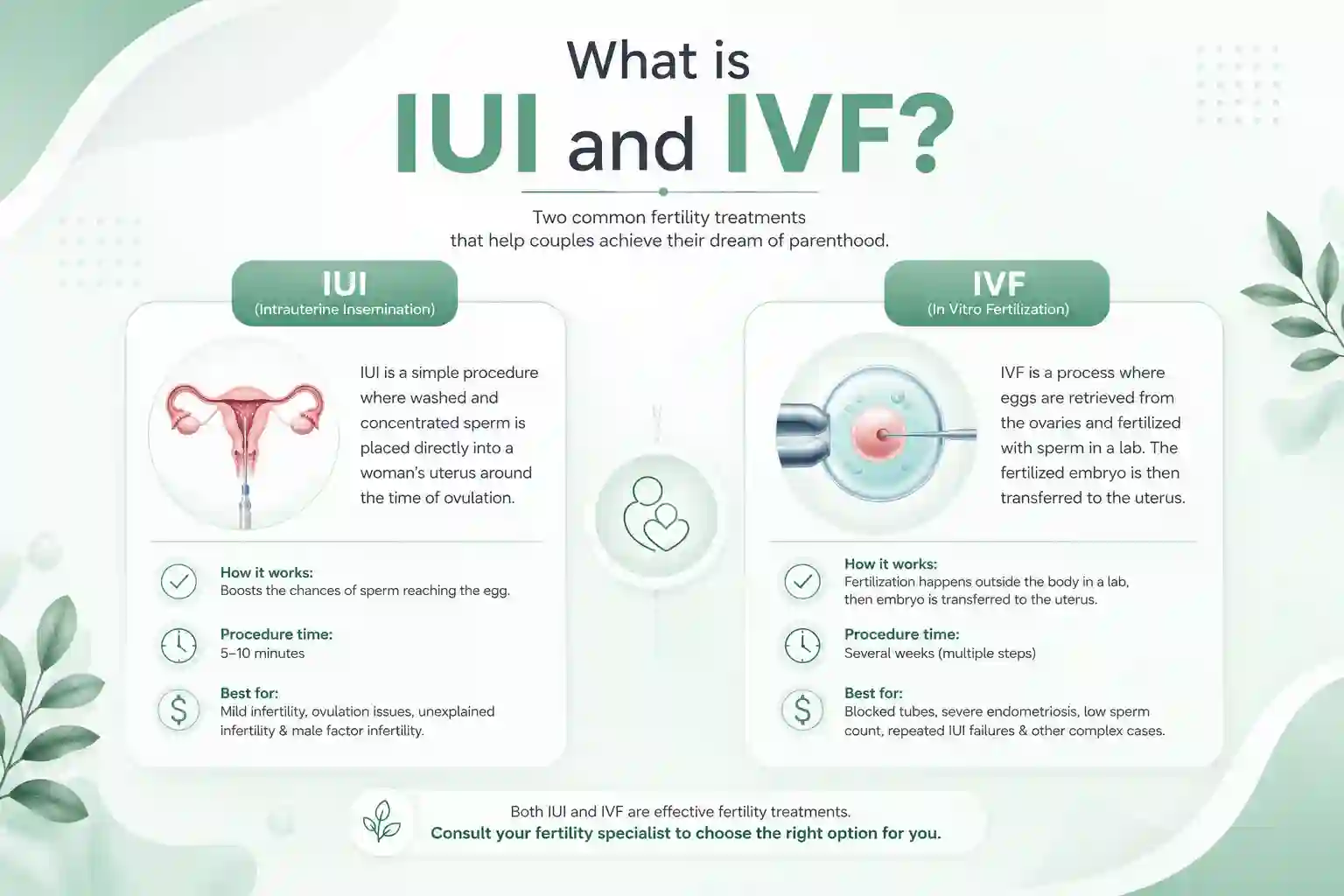
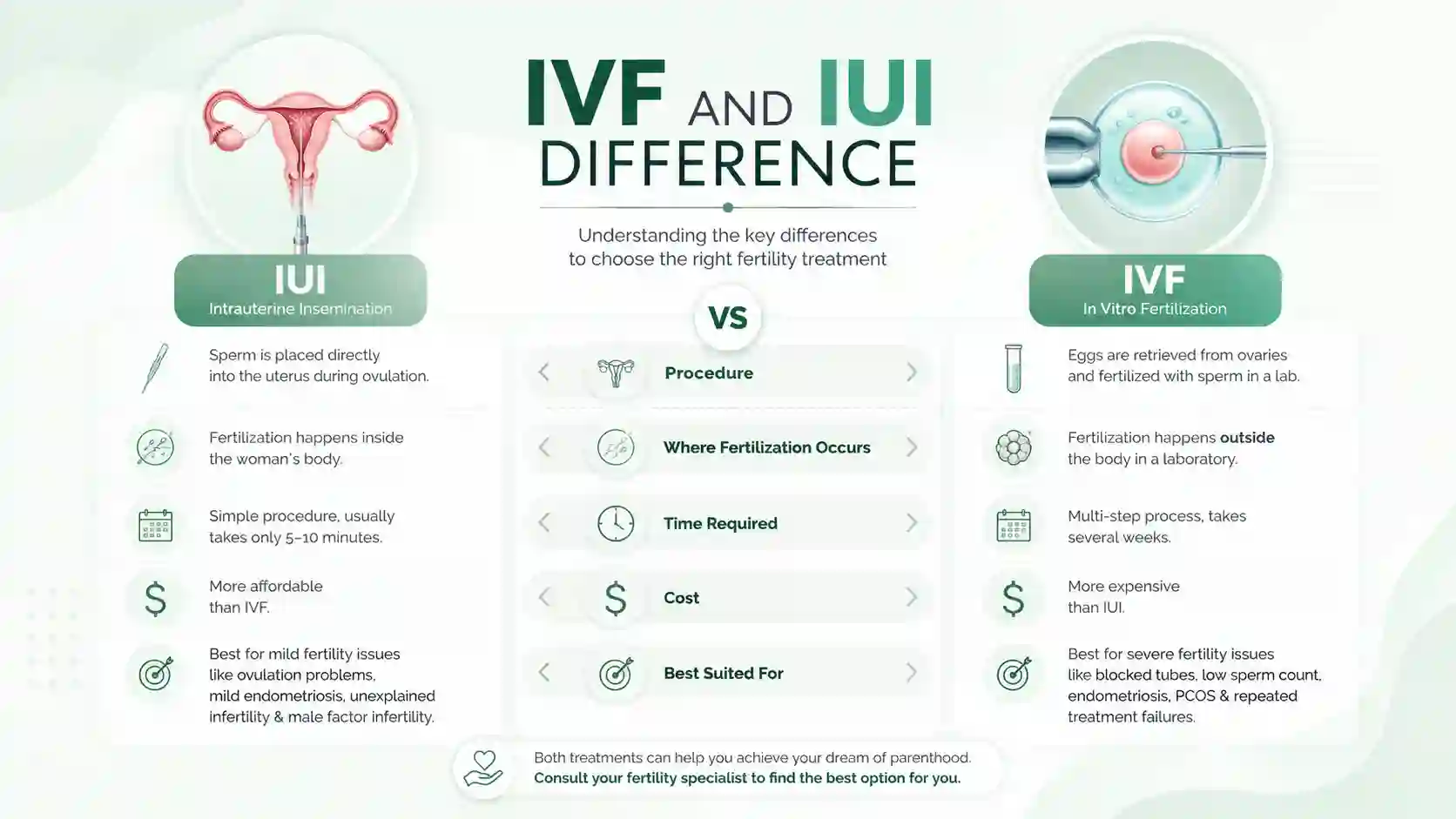
IVF surrogacy is a fertility process where an embryo created through IVF (In Vitro Fertilization) is transferred into the uterus of a surrogate who carries the pregnancy for the intended parents.
In most modern surrogacy arrangements:
- The surrogate does not use her own egg
- The embryo is created using the intended parents’ eggs and sperm or donor reproductive material
This type is called gestational surrogacy.
How IVF Surrogacy Works
The IVF surrogacy process involves several carefully planned steps.
1. Fertility Evaluation
Doctors evaluate:
- Intended parents
- Egg donor if needed
- Surrogate’s reproductive health
Testing may include:
- Hormone blood tests
- Ultrasounds
- Infectious disease screening
- Semen analysis
2. Ovarian Stimulation and Egg Retrieval
The egg provider receives hormone injections to stimulate the ovaries.
Once eggs mature:
- They are collected through an egg retrieval procedure.
3. Fertilization in the Laboratory
In the IVF laboratory:
- Eggs are fertilized with sperm
- Embryos begin developing under controlled conditions
ICSI may be used in male infertility cases.
4. Embryo Transfer to the Surrogate
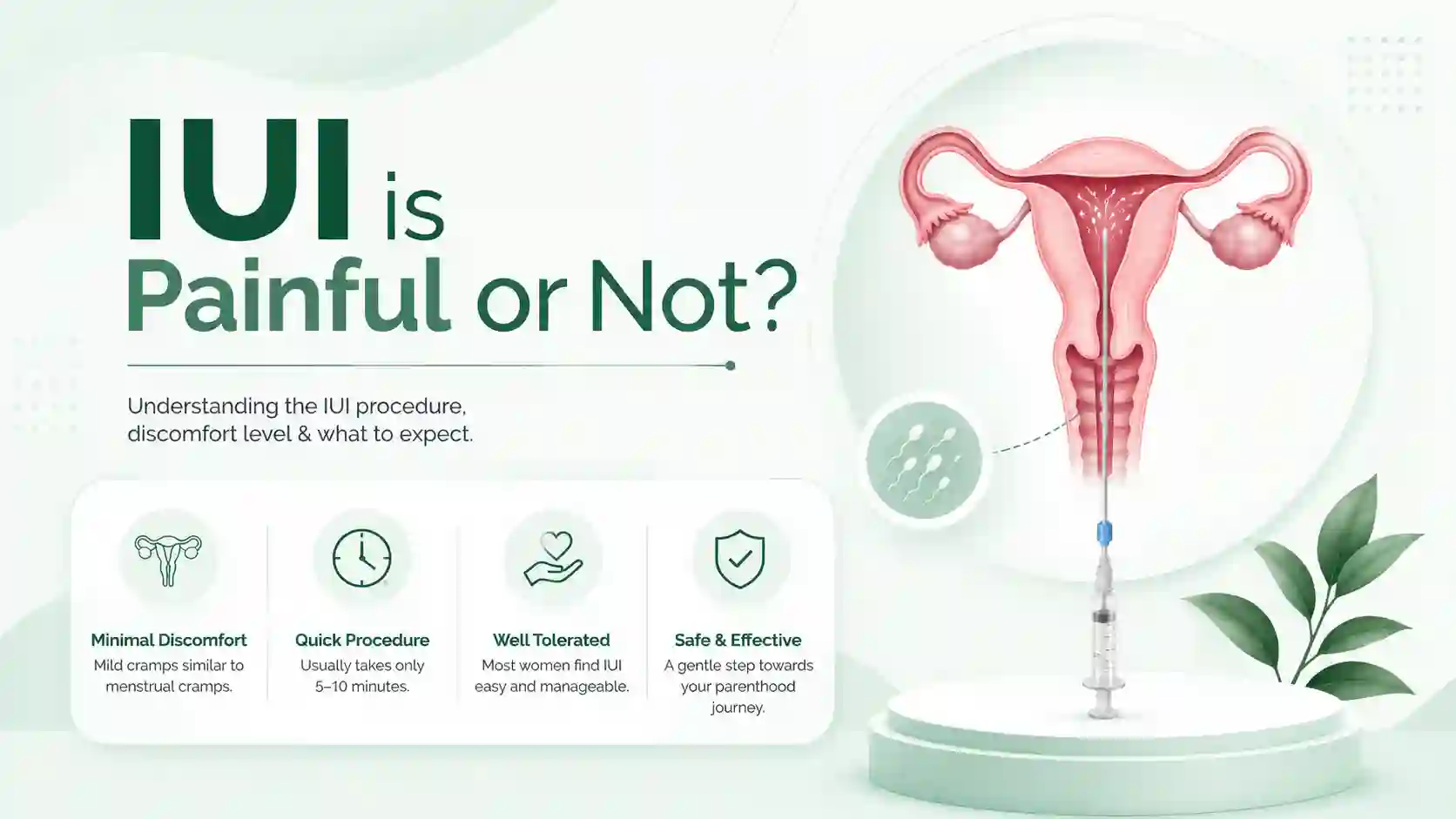
A healthy embryo is transferred into the surrogate’s uterus using a thin catheter.
This procedure is usually quick and minimally uncomfortable.
5. Pregnancy Monitoring
If implantation occurs:
- Pregnancy monitoring continues through ultrasounds and medical checkups
The surrogate carries the pregnancy until delivery.
Who May Need IVF Surrogacy?
Doctors may recommend IVF surrogacy for:
- Women without a uterus
- Severe uterine problems
- Repeated IVF failure
- Medical conditions making pregnancy unsafe
- Same-sex male couples
- Certain fertility-related conditions
Surrogacy provides an option for patients who cannot safely carry a pregnancy themselves.
Types of Surrogacy
Gestational Surrogacy
This is the most common form of IVF surrogacy.
In this process:
- The surrogate has no genetic connection to the baby.
Traditional Surrogacy
In traditional surrogacy:
- The surrogate’s own egg is used
This method is less common because of legal and emotional complexities.
IVF Surrogacy Success Rate
The success of IVF surrogacy depends on:
- Age of the egg provider
- Embryo quality
- Surrogate’s uterine health
- Fertility clinic experience
Surrogacy often has high success rates because surrogates are carefully medically screened before treatment.
Cost of IVF Surrogacy
The cost of IVF surrogacy varies widely depending on:
- Country and legal regulations
- Fertility clinic
- IVF treatment expenses
- Surrogate compensation and medical care
- Legal documentation
In some countries, surrogacy laws may restrict or regulate treatment options.
Legal and Ethical Considerations
Before starting IVF surrogacy:
- Legal agreements are extremely important
- Both intended parents and surrogates should receive legal counseling
Laws regarding surrogacy differ significantly between countries and regions.
Emotional Aspects of IVF Surrogacy
The surrogacy journey can involve:
- Emotional stress
- Financial planning
- Anxiety about treatment success
- Complex family emotions
Counseling is often recommended for intended parents and surrogates.
When to Consult a Fertility Specialist
You should speak with a fertility specialist if:
- Pregnancy is medically unsafe
- Multiple IVF cycles failed
- You are considering surrogacy options
- You have severe uterine or reproductive conditions
Early consultation helps patients understand available fertility options.
IVF surrogacy has helped many individuals and couples achieve parenthood when carrying a pregnancy naturally is not possible. Through advanced IVF treatment and careful medical support, surrogacy offers hope for families facing complex fertility challenges.
Consulting experienced fertility and legal professionals is essential before beginning the surrogacy process.
FAQs About IVF Surrogacy
1. What is IVF surrogacy?
A process where an IVF-created embryo is carried by a surrogate.
2. Is the surrogate genetically related to the baby?
Not in gestational surrogacy.
3. Who may need IVF surrogacy?
People unable to safely carry a pregnancy.
4. Is IVF required for surrogacy?
Yes, in gestational surrogacy.
5. What is the success rate of IVF surrogacy?
Success depends on embryo quality and surrogate health.