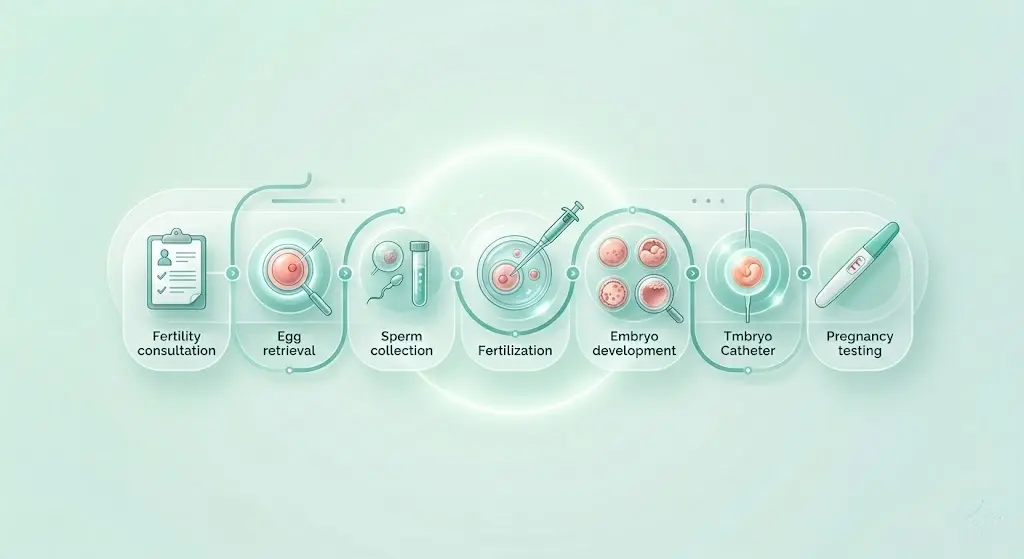
Couples planning fertility treatment often want to understand the IVF procedure step by step before starting the process. Knowing what happens during each stage of IVF can help reduce anxiety and make the journey feel more manageable.
IVF (In Vitro Fertilization) is one of the most effective fertility treatments available today. The procedure involves several carefully monitored steps designed to improve the chances of pregnancy.
What Is IVF?
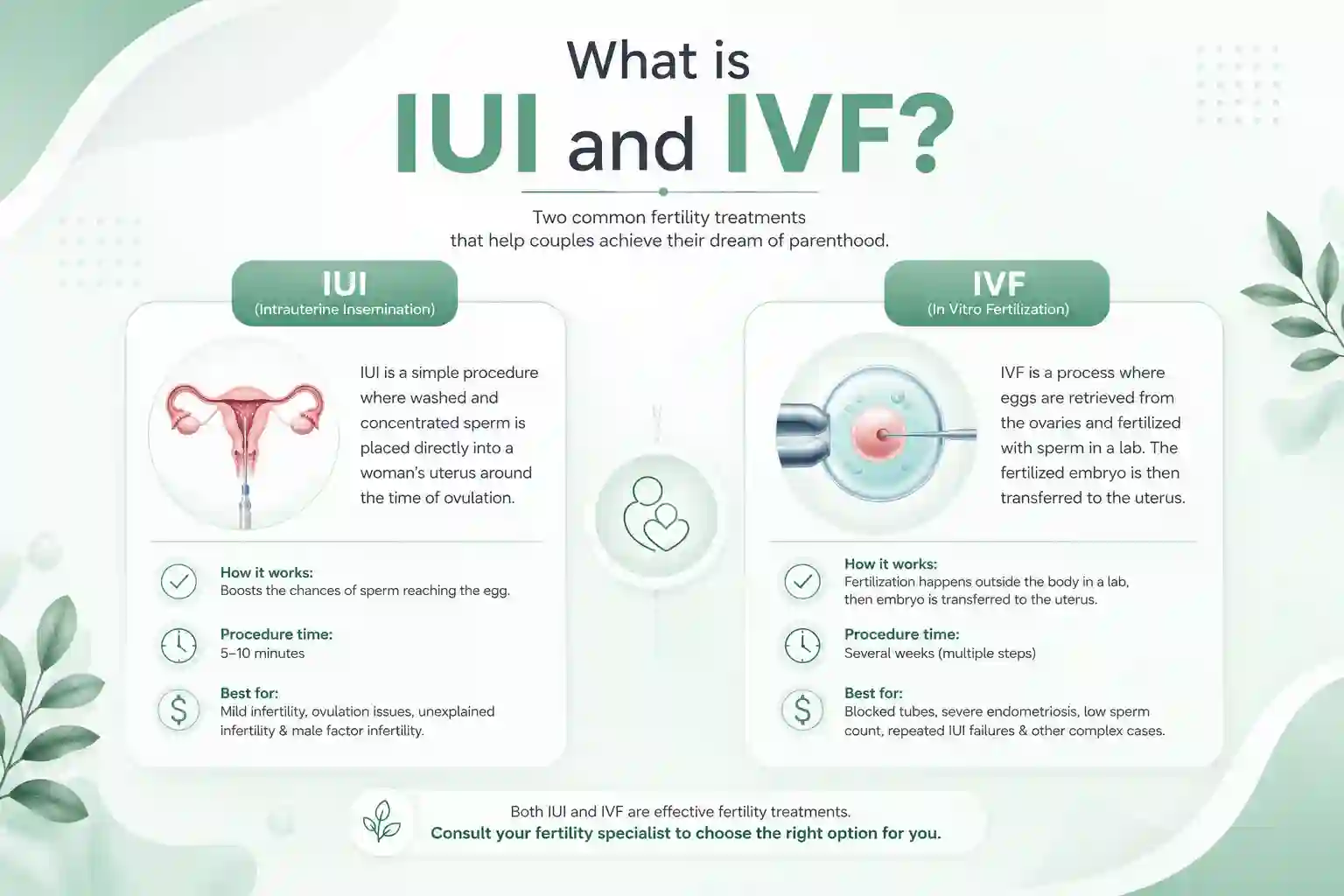
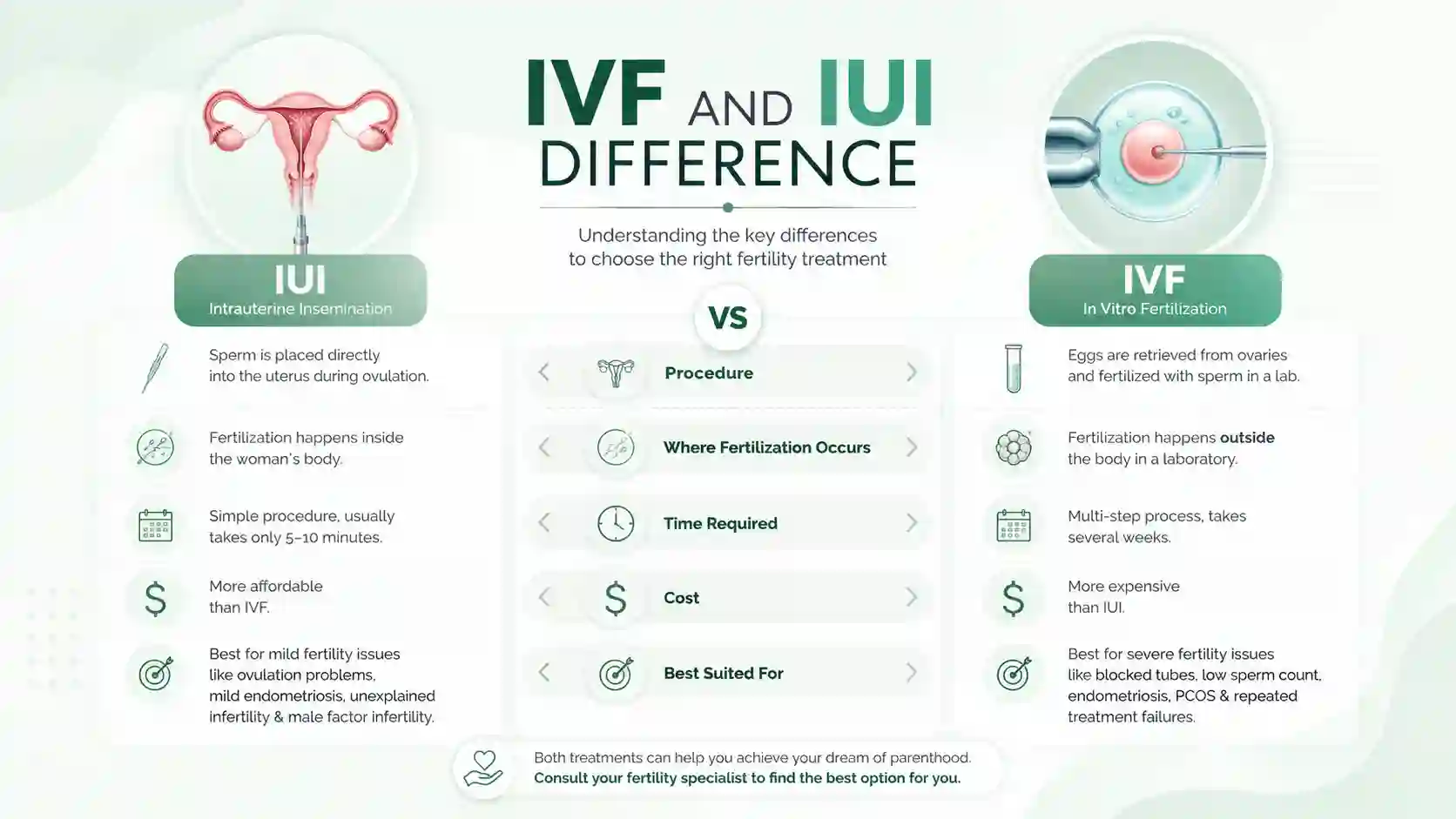
IVF, or In Vitro Fertilization, is a fertility treatment where:
- Eggs are collected from the ovaries
- Sperm fertilizes the eggs in a laboratory
- A healthy embryo is transferred into the uterus
Once implantation occurs, pregnancy continues naturally inside the body.
IVF Procedure Step by Step
Understanding the IVF procedure step by step can help patients feel more prepared before treatment begins.
Step 1: Initial Consultation and Fertility Testing
The IVF journey begins with fertility evaluation.
Doctors usually perform:
- Hormone blood tests
- Ultrasound scans
- Semen analysis
- Medical history review
These tests help identify fertility problems and create a personalized treatment plan.
Step 2: Ovarian Stimulation
The next step involves stimulating the ovaries to produce multiple eggs.
Patients receive:
- Daily hormone injections for 8 to 14 days
During this stage, doctors monitor:
- Follicle growth
- Hormone levels
- Egg development through ultrasounds
Producing multiple eggs improves the chances of successful fertilization.
Step 3: Trigger Injection
When the follicles reach the correct size:
- A trigger injection is given
This injection helps:
- Mature the eggs before retrieval
Egg retrieval is usually scheduled:
- 34 to 36 hours after the trigger shot
Step 4: Egg Retrieval Procedure
Egg retrieval is a minor procedure performed under sedation.
During the procedure:
- A thin needle collects eggs from the ovaries using ultrasound guidance
The procedure usually takes:
- About 15 to 20 minutes
Most patients go home the same day.
Step 5: Sperm Collection
On the same day:
- A sperm sample is collected from the male partner or donor
The laboratory selects the healthiest sperm for fertilization.
Step 6: Fertilization in the Laboratory
In this important stage:
- Eggs and sperm are combined in the laboratory
Depending on the fertility condition:
- Standard IVF or ICSI may be used
ICSI involves injecting a single sperm directly into the egg.
Step 7: Embryo Development
Fertilized eggs develop into embryos inside laboratory incubators.
Embryologists monitor:
- Cell growth
- Embryo quality
- Development over 3 to 5 days
The healthiest embryo is selected for transfer.
Step 8: Embryo Transfer
Embryo transfer is usually a simple and painless procedure.
During transfer:
- A thin catheter places the embryo into the uterus
Most patients do not require anesthesia for this step.
Step 9: The Two-Week Wait
After embryo transfer:
- Patients wait about 10 to 14 days before pregnancy testing
This period is often emotionally challenging because patients wait to know whether implantation was successful.
Step 10: Pregnancy Test
A blood test is performed to confirm pregnancy.
If positive:
- Ultrasound monitoring follows in the coming weeks
If unsuccessful:
- Doctors review the cycle and discuss future treatment options.
IVF Procedure Success Rate
The success of IVF depends on several factors:
- Female age
- Egg quality
- Sperm quality
- Embryo health
- Fertility clinic experience
Younger patients generally have higher IVF success rates.
Risks and Side Effects of IVF
IVF is generally safe, but some patients may experience:
- Bloating
- Mild cramping
- Hormonal side effects
- Emotional stress
Rare complications like OHSS may also occur.
When to See a Fertility Specialist
You should consult a fertility specialist if:
- You’ve been trying to conceive for over one year
- You’re over 35 and trying for 6 months
- You have known fertility problems
- Previous fertility treatments failed
Early fertility evaluation may improve treatment success.
Understanding the IVF procedure step by step can help couples feel more confident before starting fertility treatment. Each stage of IVF is carefully designed to improve the chances of successful pregnancy while ensuring patient safety and monitoring.
Working closely with an experienced fertility specialist can make the IVF journey more comfortable and reassuring.
FAQs About IVF Procedure Step by Step
How long does the IVF procedure take?
Usually around 4 to 6 weeks per cycle.
Is IVF painful?
Most IVF procedures involve mild discomfort only.
What is the most important IVF step?
Egg quality and embryo development are very important.
How many injections are used during IVF?
Usually daily injections for about 8 to 14 days.
Can IVF work in the first attempt?
Yes, many couples conceive during the first cycle.