
If you’re exploring fertility options, you may be asking: “What is IVF surrogacy?”
IVF surrogacy is a process where IVF (In Vitro Fertilization) is used to create an embryo, and another woman, called a surrogate, carries the pregnancy for the intended parents.
What Is IVF Surrogacy?
In IVF surrogacy:
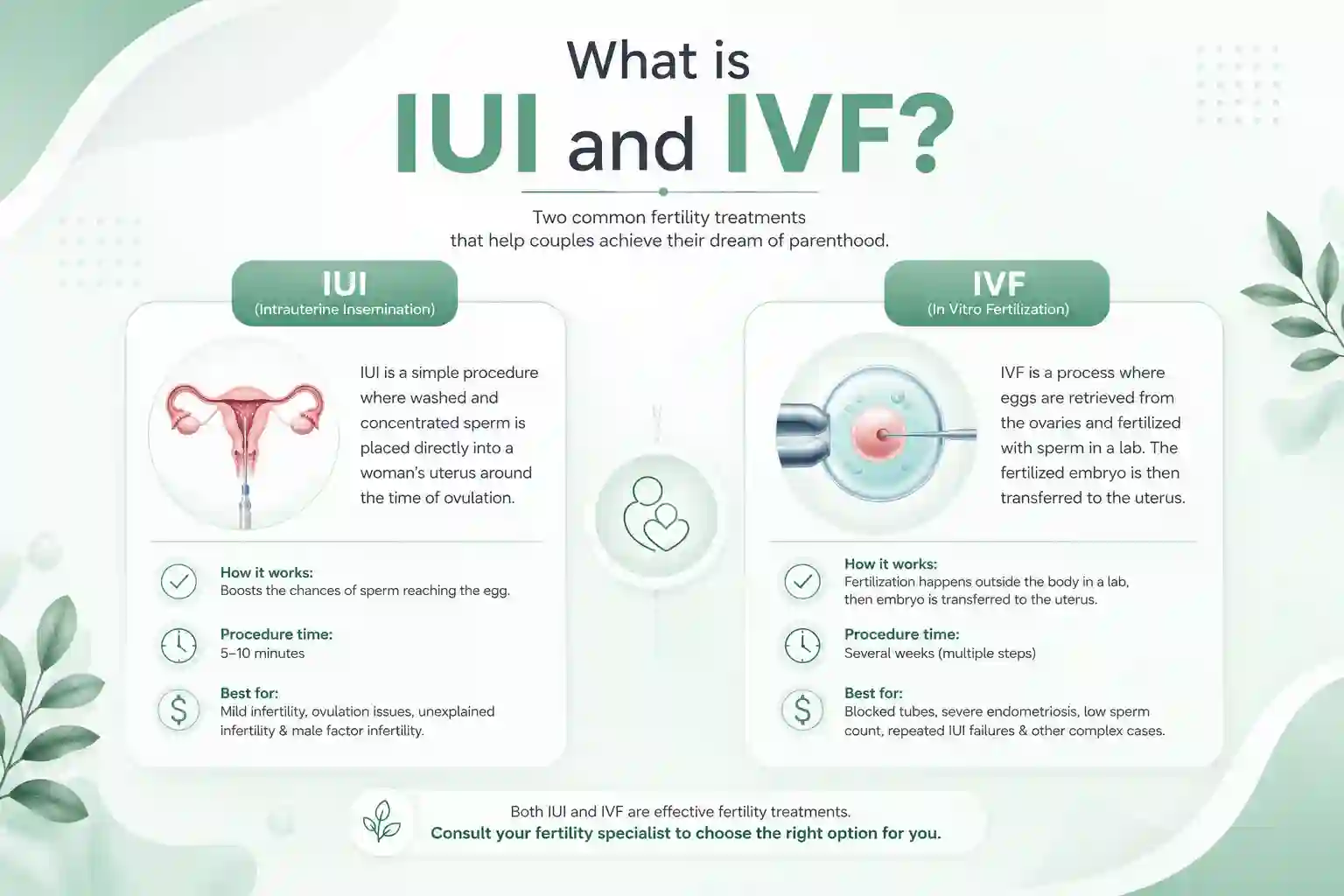
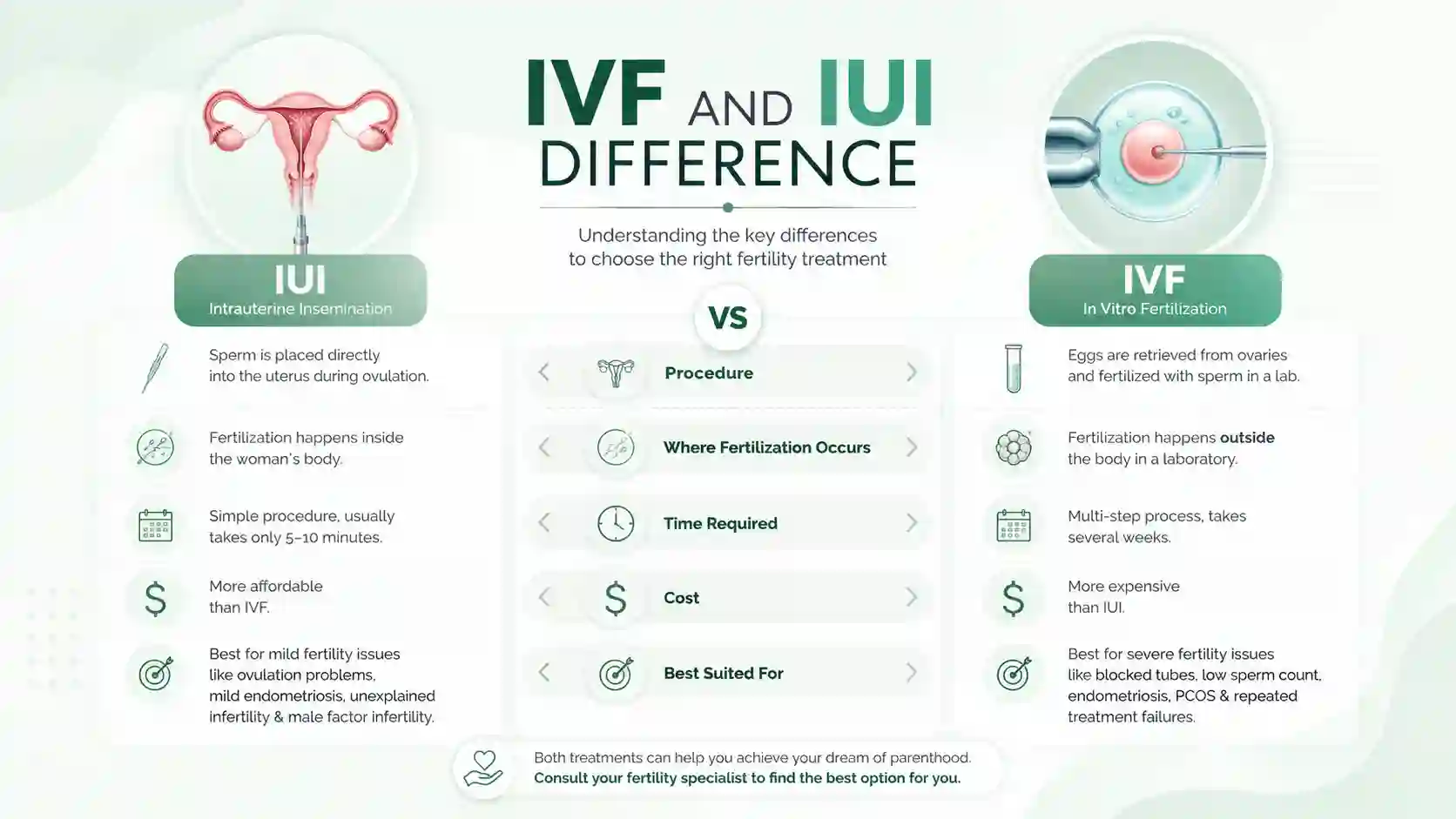
- Eggs are fertilized with sperm in a laboratory
- An embryo is created through IVF
- The embryo is transferred into the surrogate’s uterus
The surrogate carries the baby until birth.
How IVF Surrogacy Works
The IVF surrogacy process usually includes these steps:
1. Fertility Evaluation
- Medical testing for intended parents and surrogate
2. IVF Procedure
- Eggs are collected and fertilized in a lab
3. Embryo Transfer
- Healthy embryo transferred into surrogate’s uterus
4. Pregnancy Monitoring
- Regular checkups throughout pregnancy
5. Delivery
- Baby is delivered and handed to intended parents according to legal agreements
Who Needs IVF Surrogacy?
Doctors may recommend IVF surrogacy for:
- Women without a uterus
- Repeated IVF failure
- Serious medical conditions making pregnancy risky
- Same-sex male couples
- Certain fertility-related conditions
Types of Surrogacy
1. Gestational Surrogacy
- Most common type
- Surrogate has no genetic connection to baby
- Embryo created through IVF
2. Traditional Surrogacy
- Surrogate’s own egg is used
- Less common today due to legal and emotional complexities
Success Rate of IVF Surrogacy
IVF surrogacy often has high success rates because:
- Healthy embryos are carefully selected
- Surrogates are medically screened
Success rates vary depending on age and embryo quality.
Cost of IVF Surrogacy
The cost depends on country, clinic, and legal requirements.
Approximate Costs
- India (where legally permitted under current laws): varies significantly
- USA: Often very high due to legal and medical expenses
Costs may include:
- IVF treatment
- Surrogate medical care
- Legal documentation
- Medications and monitoring
Is IVF Surrogacy Legal?
Laws vary by country.
Some countries allow:
- Commercial surrogacy
- Altruistic surrogacy only
Always consult legal experts and licensed fertility clinics.
Emotional Aspects of IVF Surrogacy
The process can involve:
- Emotional stress
- Financial planning
- Complex legal arrangements
Counseling is often recommended for everyone involved.
Risks of IVF Surrogacy
Possible risks include:
- IVF treatment failure
- Pregnancy complications
- Emotional challenges
- Legal disputes if agreements are unclear
When to Consult a Fertility Specialist
You should seek expert guidance if:
- Pregnancy is medically unsafe
- Multiple IVF attempts failed
- You are considering surrogacy options
So, what is IVF surrogacy? It is a fertility process where IVF creates an embryo and a surrogate carries the pregnancy for intended parents.
IVF surrogacy has helped many individuals and couples achieve parenthood when pregnancy is not possible or safe. Consulting experienced fertility and legal professionals is essential before starting the journey.
FAQs About IVF Surrogacy
What is IVF surrogacy?
A process where IVF embryos are carried by a surrogate mother.
Is the surrogate genetically related to the baby?
Not in gestational surrogacy.
Who needs IVF surrogacy?
People unable to carry a pregnancy safely.
Is IVF required for surrogacy?
Yes, in gestational surrogacy.
Is IVF surrogacy legal everywhere?
No, laws vary by country.