If you’re planning fertility treatment, you may be wondering: “What happens during an IVF cycle?”
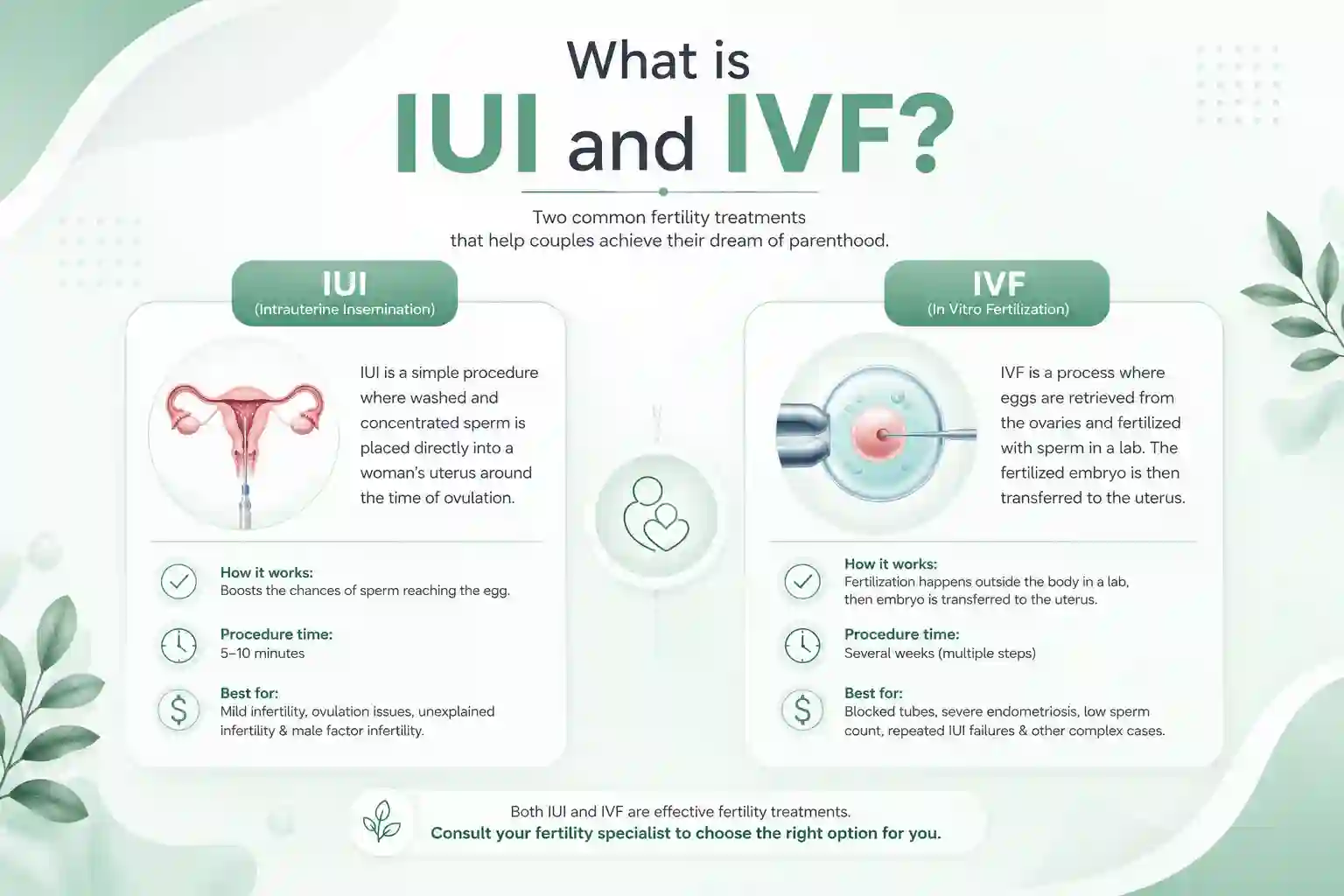
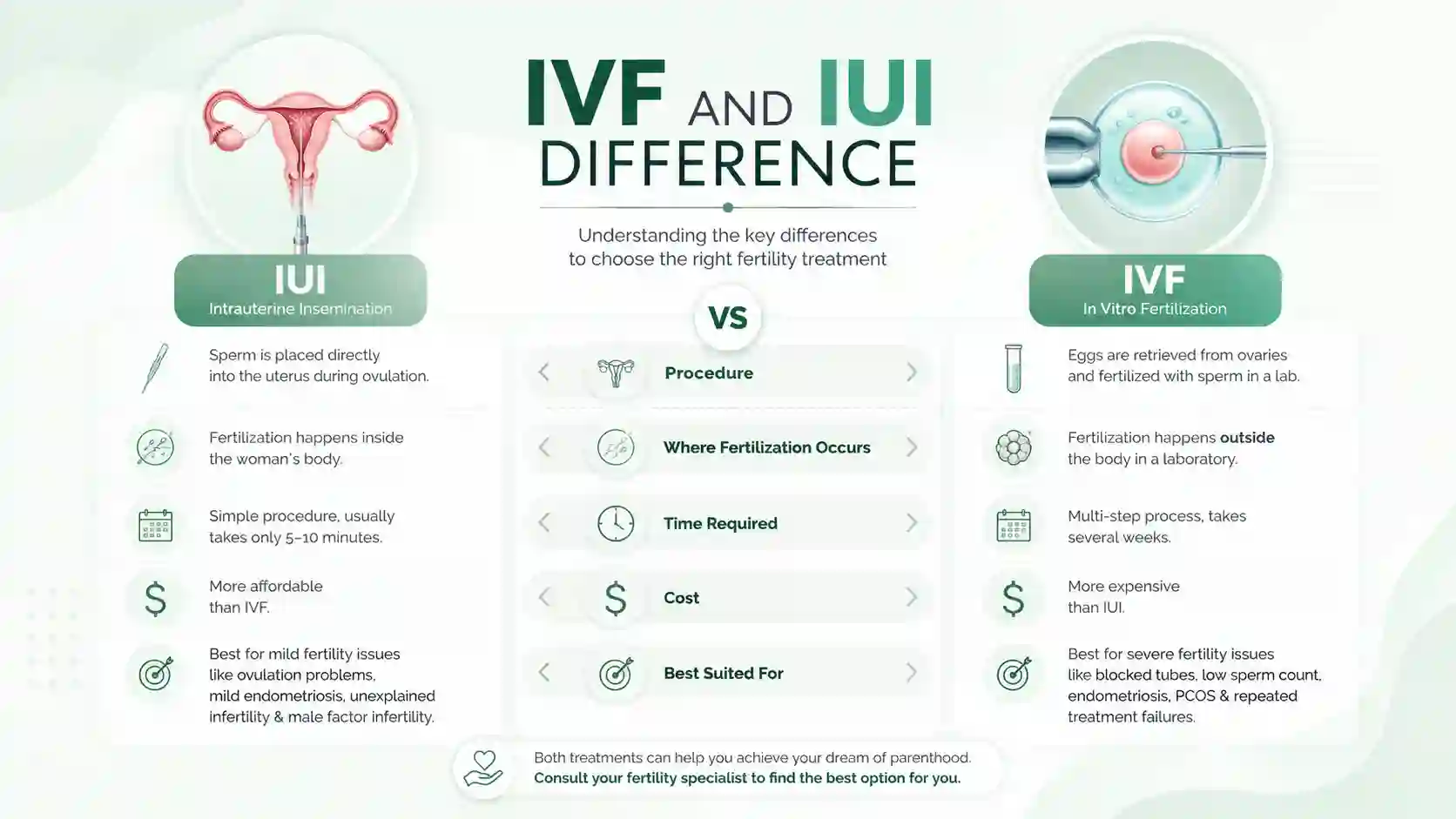
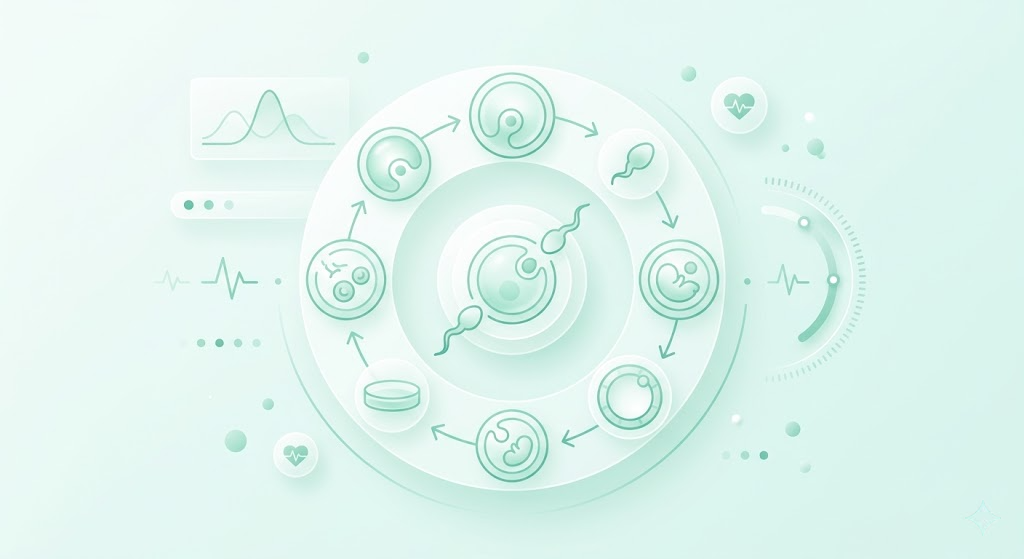
An IVF cycle is a series of carefully planned medical steps designed to help achieve pregnancy through in vitro fertilization (IVF).
Understanding each stage can help reduce stress and prepare you for the journey ahead.
What is an IVF Cycle?
An IVF cycle refers to one complete round of IVF treatment, starting from ovarian stimulation and ending with a pregnancy test after embryo transfer.
The goal is to:
- Collect healthy eggs
- Fertilize them with sperm in a lab
- Transfer a healthy embryo into the uterus
How Long Does an IVF Cycle Take?
A typical IVF cycle usually takes:
- 4 to 6 weeks
However, timing can vary depending on:
- Your treatment plan
- Hormone response
- Frozen or fresh embryo transfer
Stages of an IVF Cycle
1. Initial Consultation and Testing
Before treatment begins:
- Hormone blood tests
- Ultrasound scans
- Semen analysis
Helps doctors create a personalized treatment plan.
2. Ovarian Stimulation
- Daily hormone injections for 8–14 days
- Ovaries produce multiple eggs
- Regular monitoring through ultrasound and blood tests
This stage is critical for egg development.
3. Trigger Injection
A trigger shot is given when follicles reach the right size.
Helps mature eggs before retrieval.
4. Egg Retrieval
- Minor procedure under sedation
- Eggs collected using a thin needle
- Usually takes 15–20 minutes
5. Fertilization
- Eggs and sperm are combined in a lab
- IVF or ICSI technique may be used
Embryos begin developing after fertilization.
6. Embryo Development
- Embryos grow for 3–5 days
- Best-quality embryo is selected
7. Embryo Transfer
- Healthy embryo transferred into the uterus
- Usually quick and painless
8. Pregnancy Test
- Done 10–14 days after transfer
- Blood test confirms pregnancy
IVF Cycle Symptoms
During an IVF cycle, you may experience:
- Bloating
- Mild cramping
- Mood changes
- Fatigue
- Breast tenderness
These symptoms are usually temporary.
IVF Cycle Success Rate
Success depends on factors such as:
- Age
- Egg quality
- Sperm quality
- Embryo quality
- Clinic expertise
Average success rates:
- Under 35 → 40%–55% per cycle
- Higher age → Lower success rates
Risks of an IVF Cycle
IVF is generally safe, but possible risks include:
- Ovarian Hyperstimulation Syndrome (OHSS)
- Multiple pregnancy
- Emotional stress
- Mild procedure-related discomfort
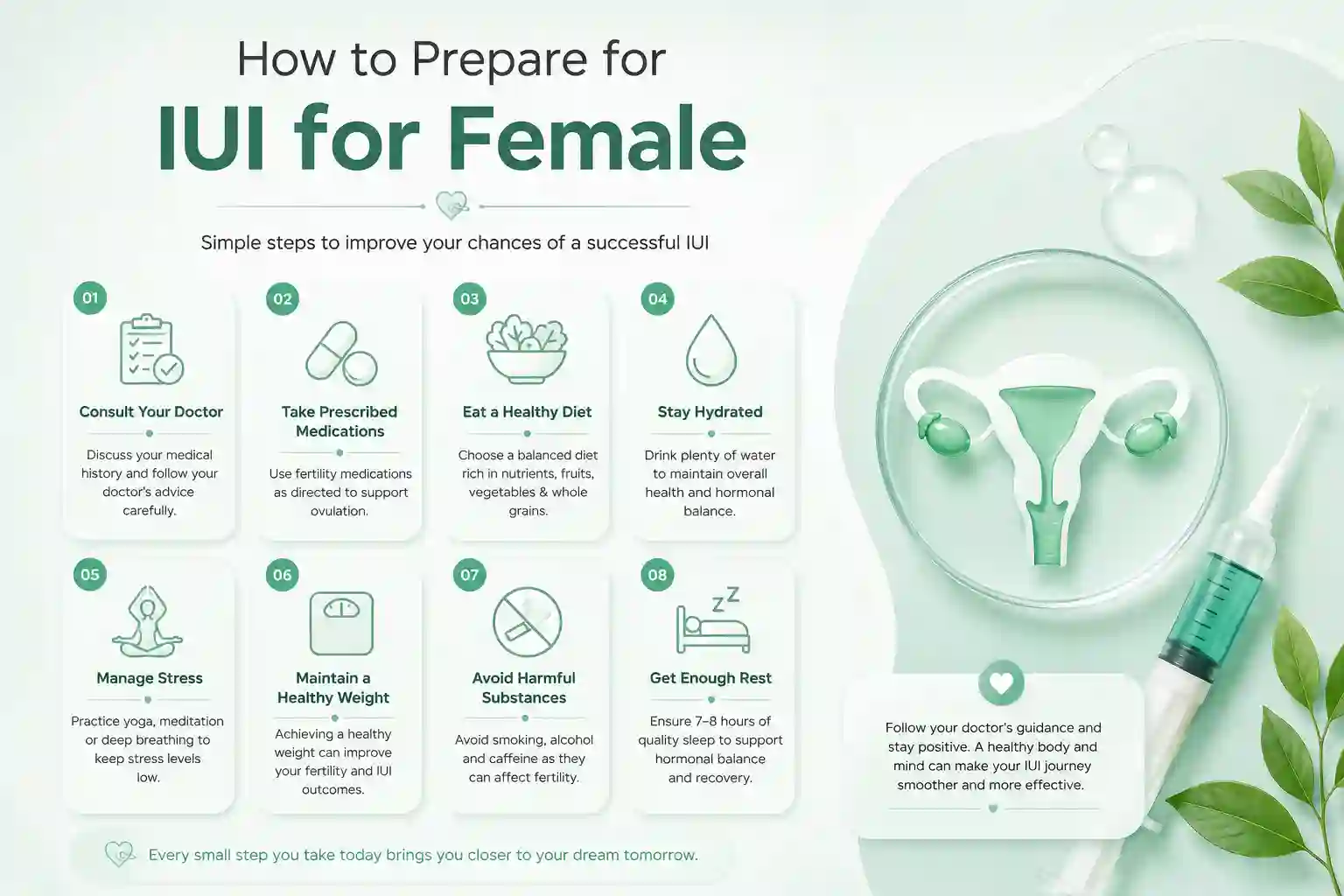
Tips for a Successful IVF Cycle
- Follow medication schedules carefully
- Eat a balanced diet
- Stay hydrated
- Avoid smoking and alcohol
- Attend all monitoring appointments
When to See a Fertility Specialist
You should consider IVF consultation if:
- Trying to conceive for over a year
- Over 35 and trying for 6 months
- Known fertility issues
- Previous treatments failed
An IVF cycle involves several carefully managed steps designed to improve your chances of pregnancy. While the process can feel emotionally and physically demanding, understanding each stage can help you feel more confident and prepared.
Working closely with an experienced fertility specialist is the best way to achieve the healthiest possible outcome.
FAQs About IVF Cycle
How long is an IVF cycle?
Usually 4–6 weeks.
Is an IVF cycle painful?
Most steps involve mild discomfort only.
How many injections are used in an IVF cycle?
Usually daily injections for 8–14 days.
Can IVF work in one cycle?
Yes, many patients succeed in the first cycle.
What is the hardest part of IVF cycle?
Emotional stress and waiting periods are often challenging.