If you’re exploring fertility treatment, you may be asking: “Explain the concept of IVF.”
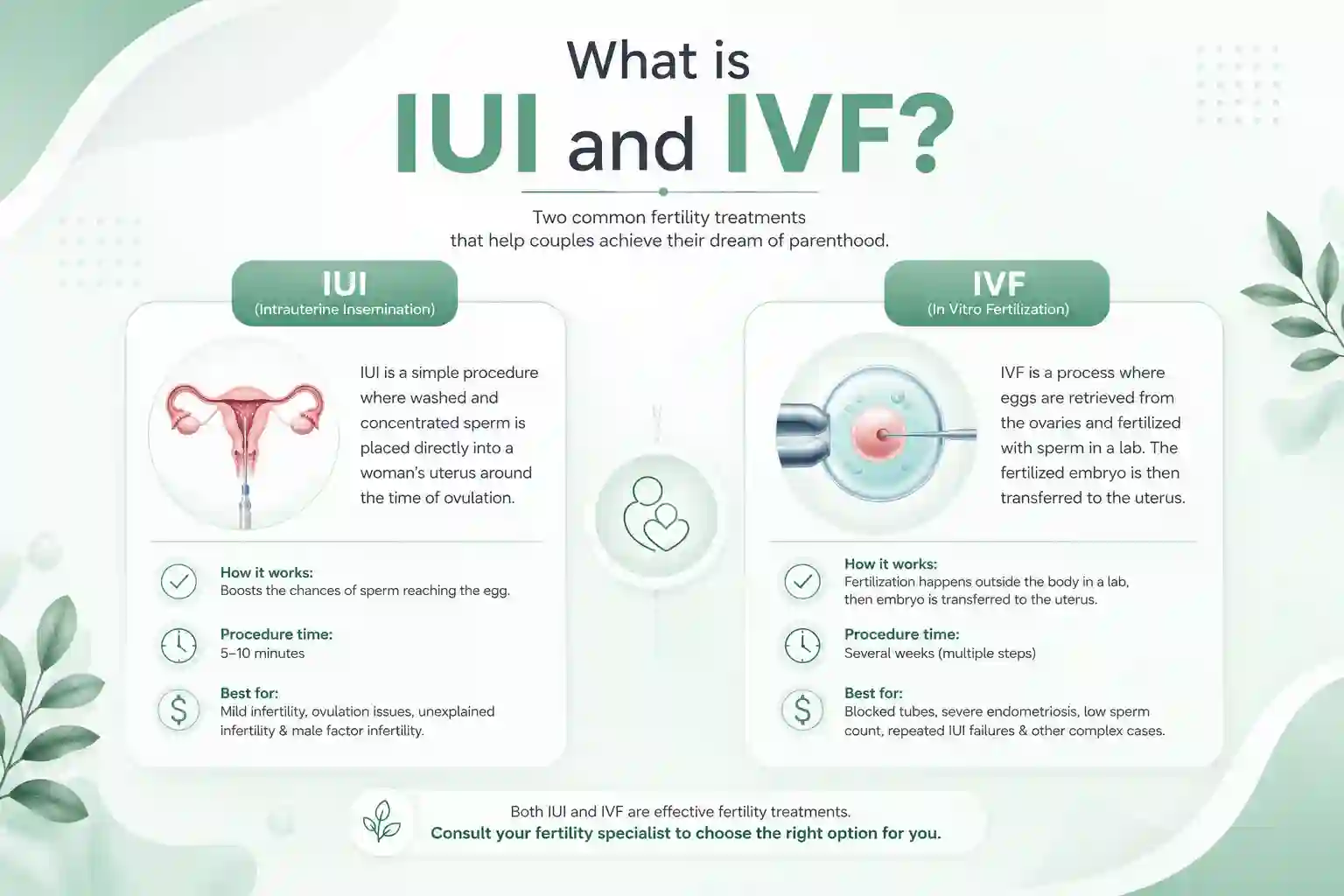
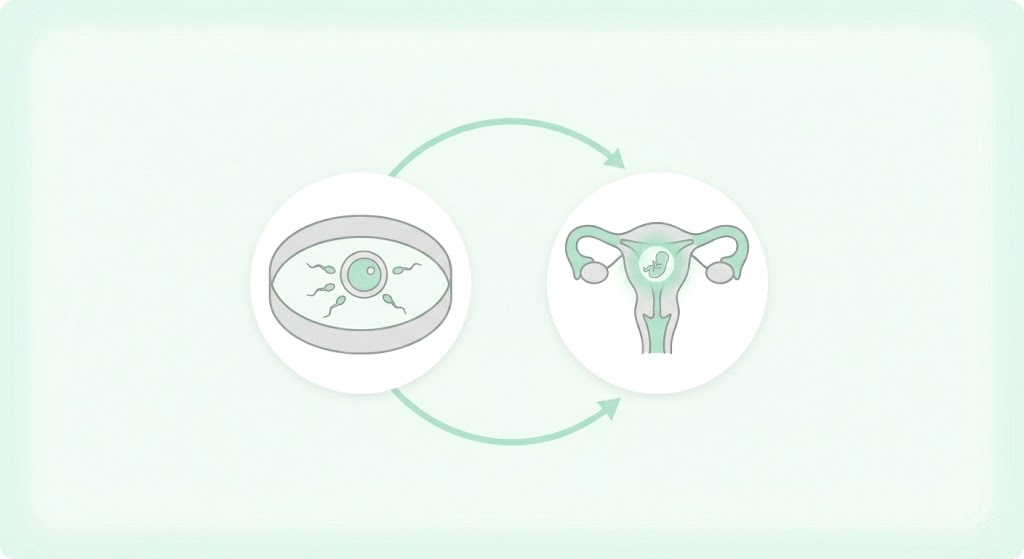
The concept of IVF (In Vitro Fertilization) is based on helping fertilization happen outside the body and then placing the embryo into the uterus to achieve pregnancy.
What is the Concept of IVF?
The concept of IVF is simple:
- Eggs are taken from the ovaries
- Sperm is collected from the male partner
- Fertilization happens in a laboratory
- A healthy embryo is transferred into the uterus
Once implantation occurs, pregnancy begins naturally.
Why IVF Was Developed
The concept of IVF was developed to help couples who cannot conceive naturally due to:
- Blocked fallopian tubes
- Low sperm count
- Ovulation problems
- Endometriosis
- Unexplained infertility
It provides a solution when natural fertilization is not possible.
How the Concept of IVF Works
To understand the concept of IVF, think of it as assisted fertilization:
Step 1: Egg Collection
Eggs are collected from the ovaries after stimulation.
Step 2: Fertilization
Eggs and sperm are combined in a lab.
Step 3: Embryo Formation
Fertilized eggs develop into embryos.
Step 4: Embryo Transfer
The embryo is placed into the uterus.
This mimics natural conception but in a controlled environment.
Key Idea Behind IVF
The core idea of IVF is:
- Control and support fertilization outside the body
- Increase chances of pregnancy
- Overcome biological barriers to conception
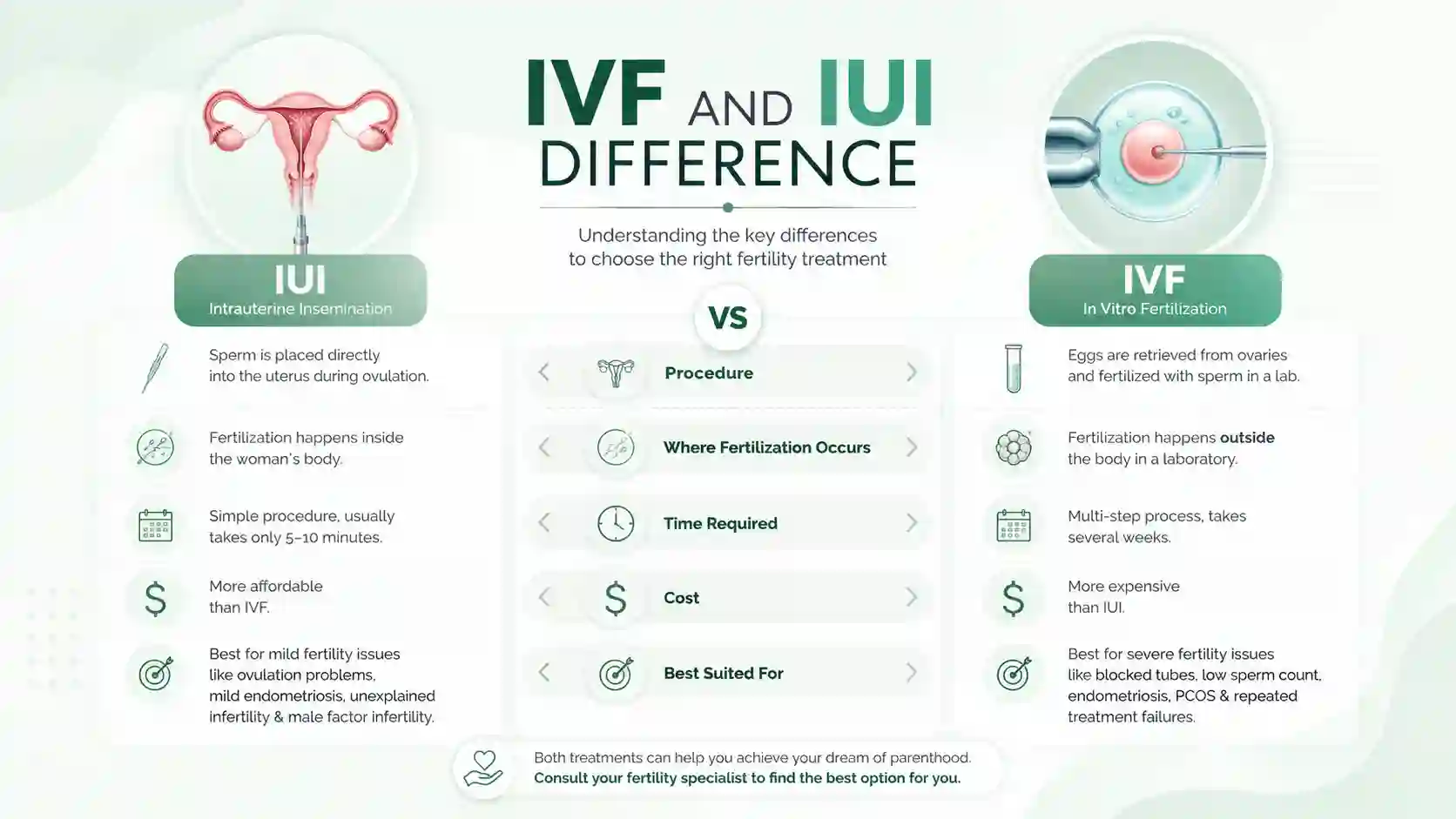
IVF vs Natural Conception
| Factor | IVF | Natural Pregnancy |
| Fertilization | Outside body | Inside body |
| Monitoring | High | Normal |
| Control | More controlled | Natural |
After implantation, both pregnancies develop the same way.
Benefits of the IVF Concept
- Helps couples with infertility
- Improves chances of pregnancy
- Allows advanced techniques (ICSI, embryo freezing)
- Enables planned and monitored conception
Limitations of IVF
- Does not guarantee success
- Can be expensive
- Requires medical procedures and monitoring
Is IVF Safe?
Yes, IVF is generally safe when done under expert medical supervision. Most pregnancies progress normally after implantation.
When Should You Consider IVF?
You may consider IVF if:
- You’ve been trying to conceive for over a year
- You’re over 35 and trying for 6 months
- You have known fertility issues
- Other treatments have not worked
The concept of IVF is based on assisting fertilization outside the body and helping an embryo grow inside the uterus.
While the process may seem complex, the idea is straightforward—support nature with medical science to help achieve pregnancy. Consulting a fertility specialist can help you understand how IVF applies to your specific situation.
FAQs About the Concept of IVF
What is IVF in simple terms?
It is a process where fertilization happens outside the body.
Why is IVF used?
To help couples who cannot conceive naturally.
Is IVF the same as test tube baby?
Yes, both refer to the same concept.
Does IVF guarantee pregnancy?
No, but it improves chances significantly.
Is IVF painful?
Most steps involve mild discomfort.