If you’re going through fertility treatment, you may be asking: “What is IVF pregnancy?”
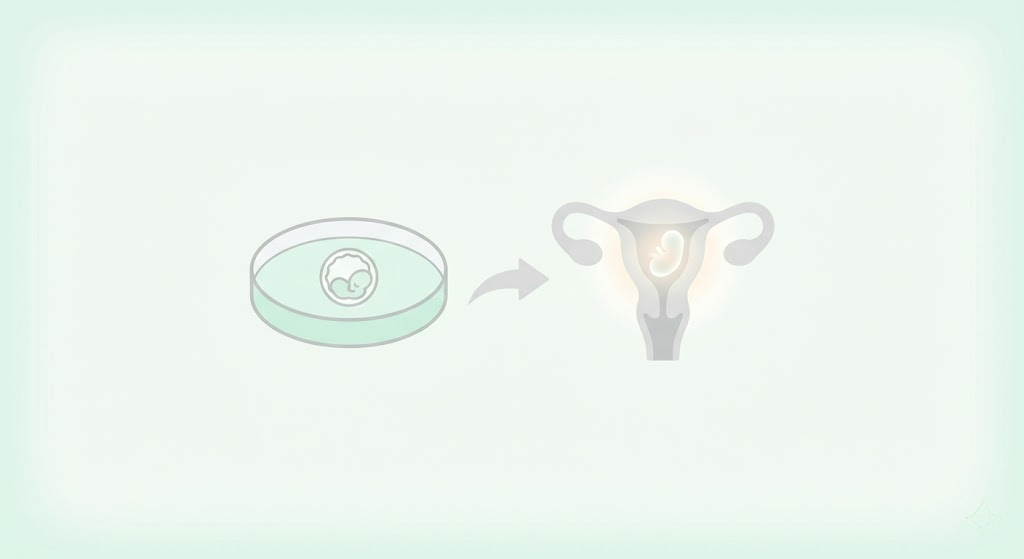
An IVF pregnancy happens when an embryo created outside the body (in a laboratory) is successfully implanted into the uterus and begins to grow.
What Is IVF Pregnancy?
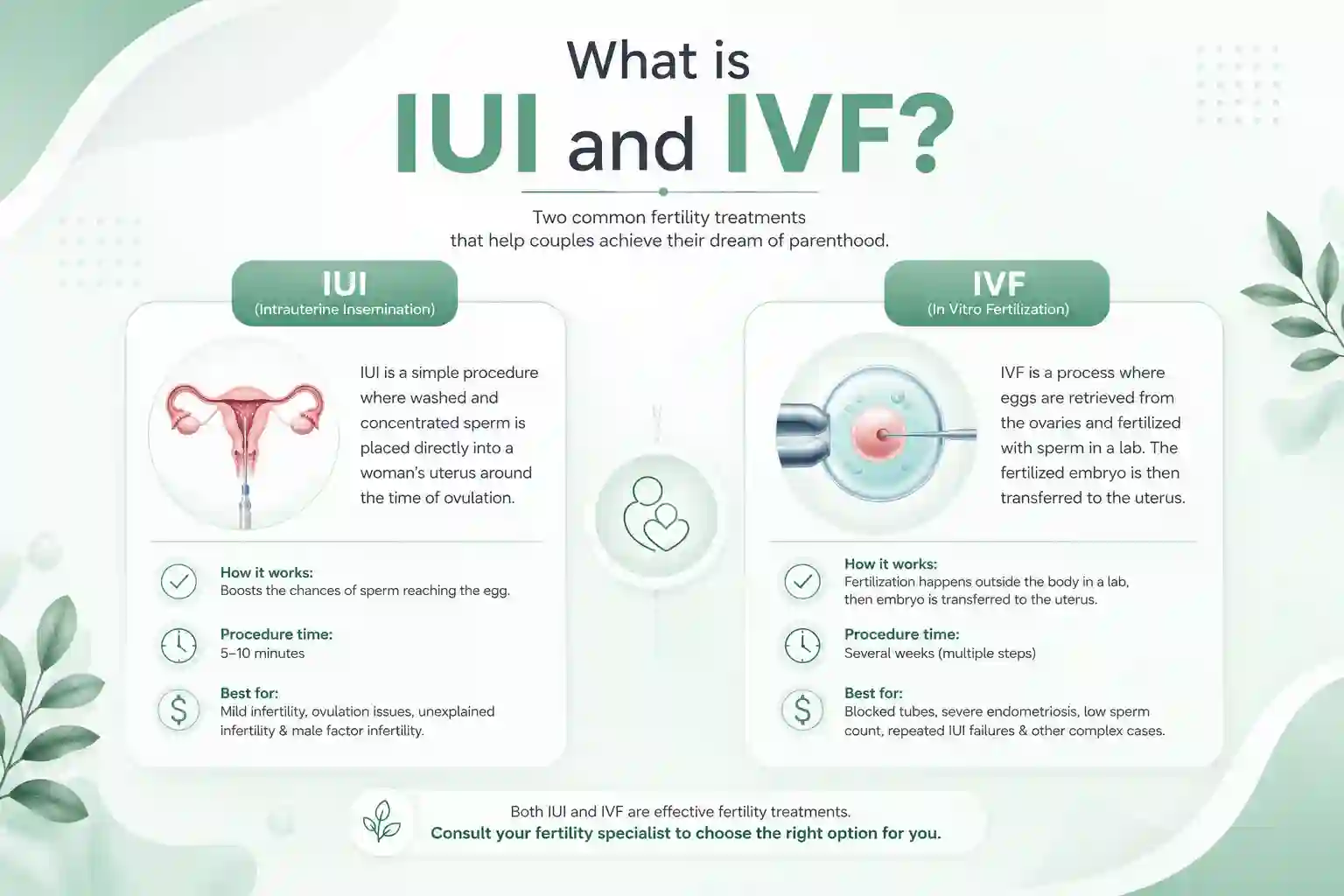
IVF pregnancy (In Vitro Fertilization pregnancy) is a type of pregnancy where:
- Eggs and sperm are combined in a lab
- A fertilized embryo is formed
- The embryo is transferred into the uterus
Once implantation occurs, the pregnancy develops just like a natural pregnancy.
How IVF Pregnancy Happens
Here’s a simple breakdown:
- Eggs are collected from the ovaries
- Fertilized with sperm in a lab
- Embryo develops for a few days
- Embryo is placed into the uterus
- Implantation leads to pregnancy
Why IVF Pregnancy Is Done
Doctors recommend IVF pregnancy for:
- Blocked fallopian tubes
- Low sperm count
- Ovulation disorders
- Endometriosis
- Unexplained infertility
It helps couples who cannot conceive naturally.
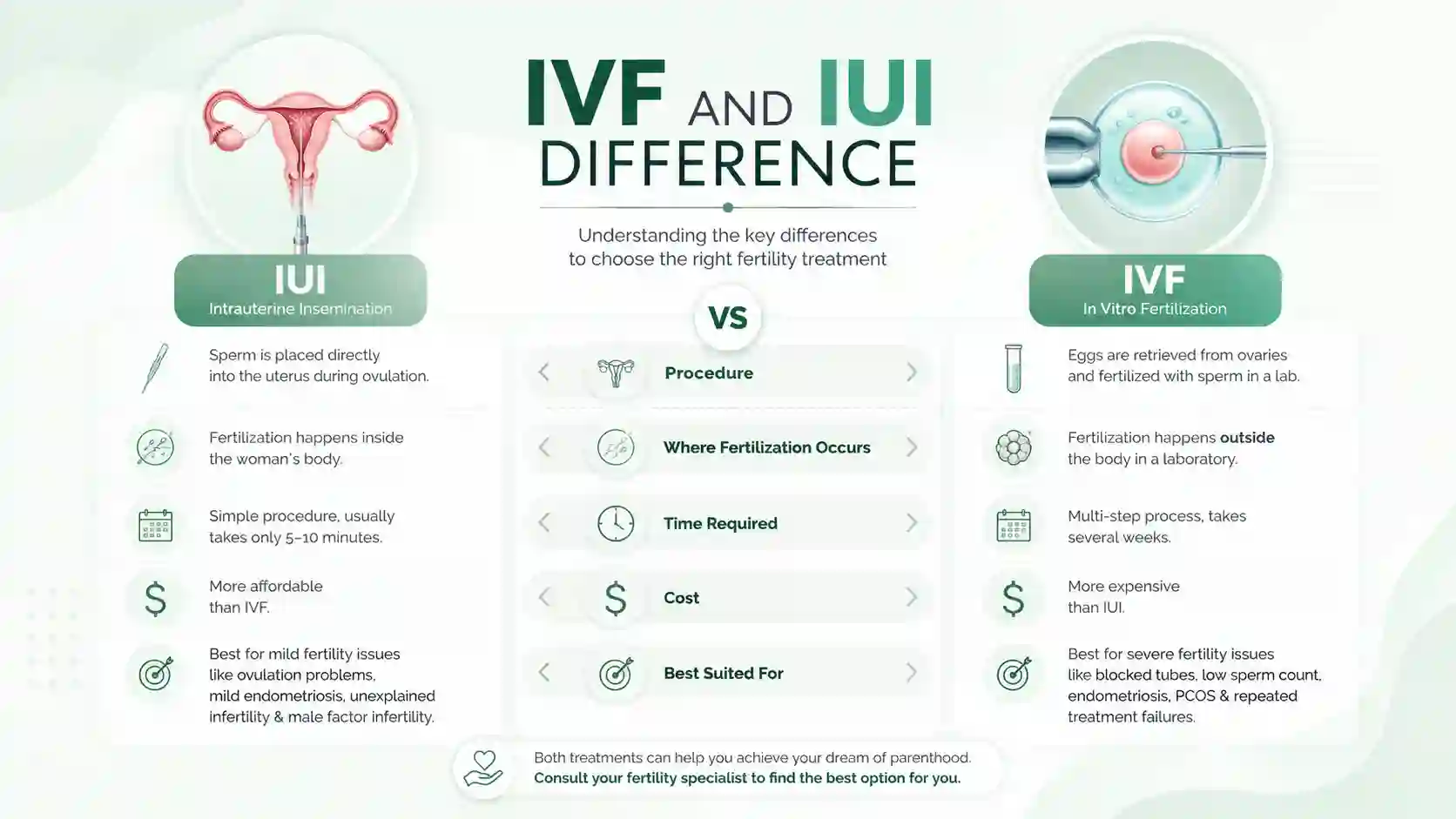
IVF Pregnancy vs Natural Pregnancy
| Factor | IVF Pregnancy | Natural Pregnancy |
| Fertilization | Outside body | Inside body |
| Monitoring | More frequent | Standard |
| Development | Same after implantation | Same |
Once pregnancy begins, both are similar.
Early Symptoms of IVF Pregnancy
After embryo transfer, you may notice:
- Mild cramping
- Light spotting
- Breast tenderness
- Fatigue
- Nausea
These symptoms are similar to natural pregnancy.
IVF Pregnancy Timeline
Day 1–5 After Transfer
- Implantation begins
Day 10–14
- Pregnancy test confirms result
Weeks 5–6
- First ultrasound
Weeks 8–12
- Regular monitoring continues
Is IVF Pregnancy Safe?
Yes, IVF pregnancy is generally safe.
However, doctors monitor closely because:
- Slightly higher chance of multiple pregnancy
- Hormonal support is needed early
With proper care, outcomes are usually healthy.
Success Rate of IVF Pregnancy
IVF pregnancy success depends on:
- Age
- Egg and sperm quality
- Embryo quality
- Uterine health
On average, success rates range between 30%–50% per cycle.
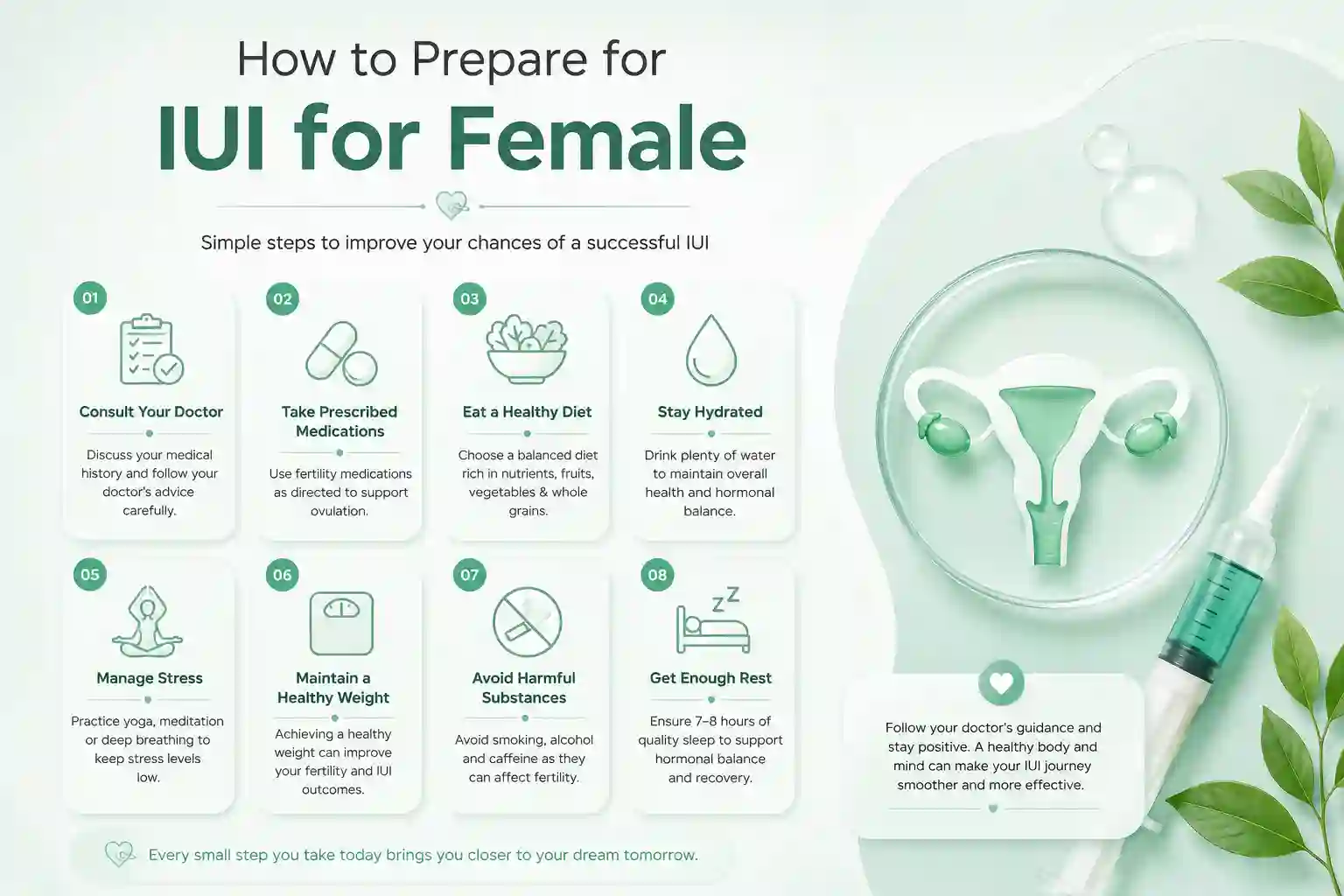
Tips for a Healthy IVF Pregnancy
- Take medications as prescribed
- Avoid smoking and alcohol
- Manage stress
- Attend all checkups
- Maintain a healthy lifestyle
When to See a Doctor
Contact your doctor if you experience:
- Heavy bleeding
- Severe pain
- Unusual symptoms
- Sudden discomfort
Early care is important.
So, what is IVF pregnancy? It is a pregnancy achieved through a medical process where fertilization occurs outside the body and the embryo is placed in the uterus.
With proper care and guidance, IVF pregnancy can lead to a healthy baby. Consulting a fertility specialist is the best way to understand your chances and next steps.
FAQs About IVF Pregnancy
What is IVF pregnancy in simple terms?
It is a pregnancy where fertilization happens outside the body.
Is IVF pregnancy different from natural pregnancy?
Only the conception method is different; development is the same.
How soon can IVF pregnancy be confirmed?
Usually 10–14 days after embryo transfer.
Is IVF pregnancy high risk?
Not necessarily, but requires closer monitoring.
Can IVF pregnancy fail?
Yes, like natural pregnancy, it can sometimes fail.