
If you’re going through fertility treatment, you may hear your doctor recommend a Day 5 IVF embryo transfer.
This is one of the most effective approaches in IVF, where the embryo is transferred at a more advanced stage—giving it a higher chance of implantation.
What is Day 5 IVF Embryo Transfer?
A Day 5 IVF embryo transfer means the embryo is transferred into the uterus five days after fertilization, when it reaches the blastocyst stage.
At this stage, the embryo has developed further and is closer to natural implantation timing.
Why Day 5 Embryo Transfer is Preferred
Doctors often prefer Day 5 transfer because:
- The embryo is more developed
- Higher chance of implantation
- Better selection of healthy embryos
- More closely mimics natural pregnancy timing
Day 3 vs Day 5 Embryo Transfer
| Factor | Day 3 Transfer | Day 5 Transfer |
| Embryo Stage | Early | Blastocyst |
| Implantation Chance | Lower | Higher |
| Selection Accuracy | Less | More |
| Success Rate | Moderate | Higher |
Day 5 transfer is generally more effective in many cases.
Day 5 IVF Embryo Transfer Process
Here’s how the process works:
1. Embryo Development
- Fertilized eggs are monitored for 5 days
- Only strong embryos reach blastocyst stage
2. Selection
- Best-quality embryo is selected
3. Transfer Procedure
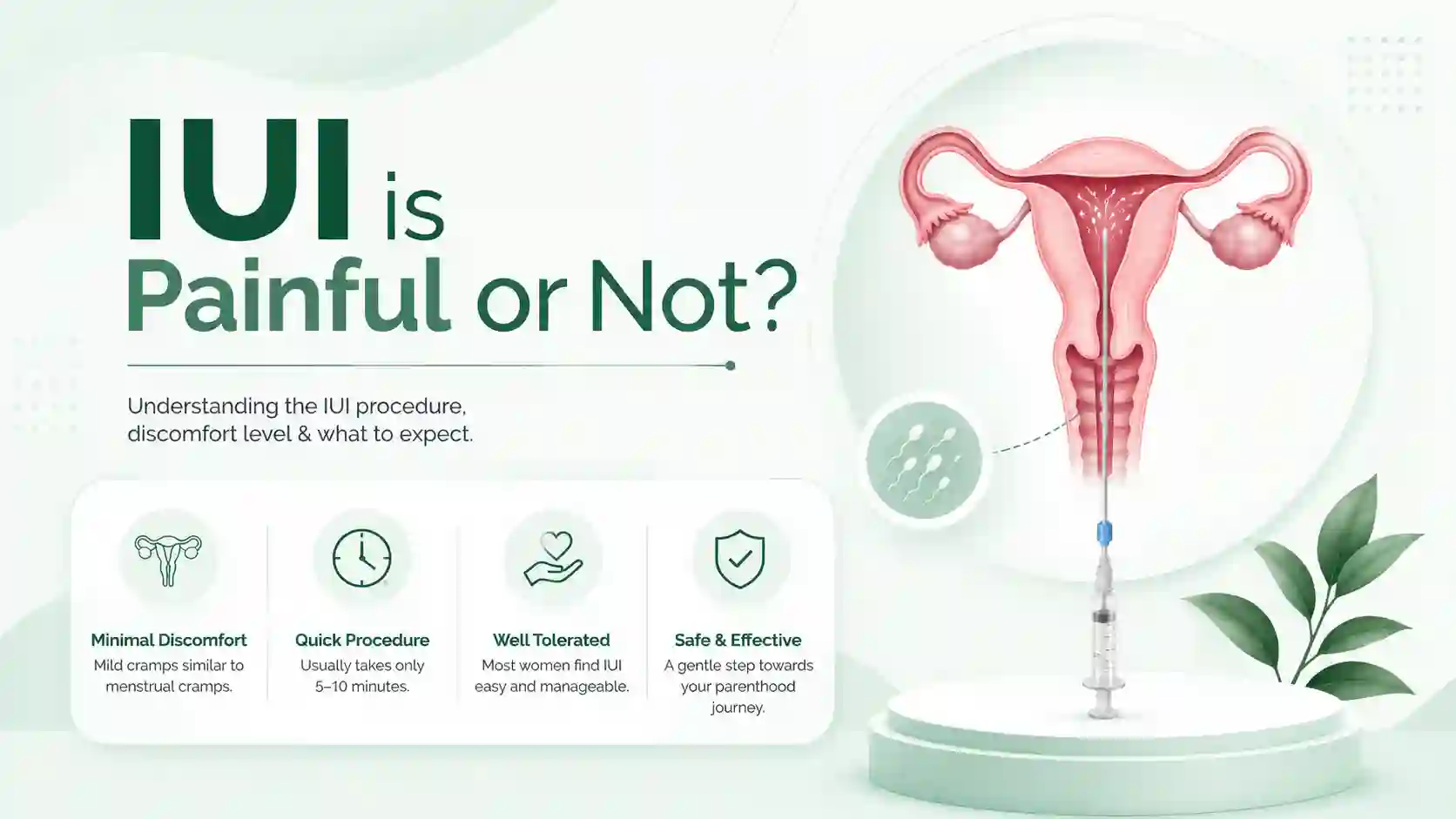
- A thin catheter is used to place embryo into uterus
- Quick and painless
- No anesthesia required
Success Rate of Day 5 IVF Embryo Transfer
The success rate is generally higher compared to Day 3:
- Around 40%–60% success rate (varies by age and condition)
Better embryo quality leads to better outcomes.
Symptoms After Day 5 Embryo Transfer
After the procedure, you may feel:
- Mild cramping
- Light spotting
- Breast tenderness
- Fatigue
These are normal and not always a sign of success or failure.
What to Do After Day 5 Transfer
To support implantation:
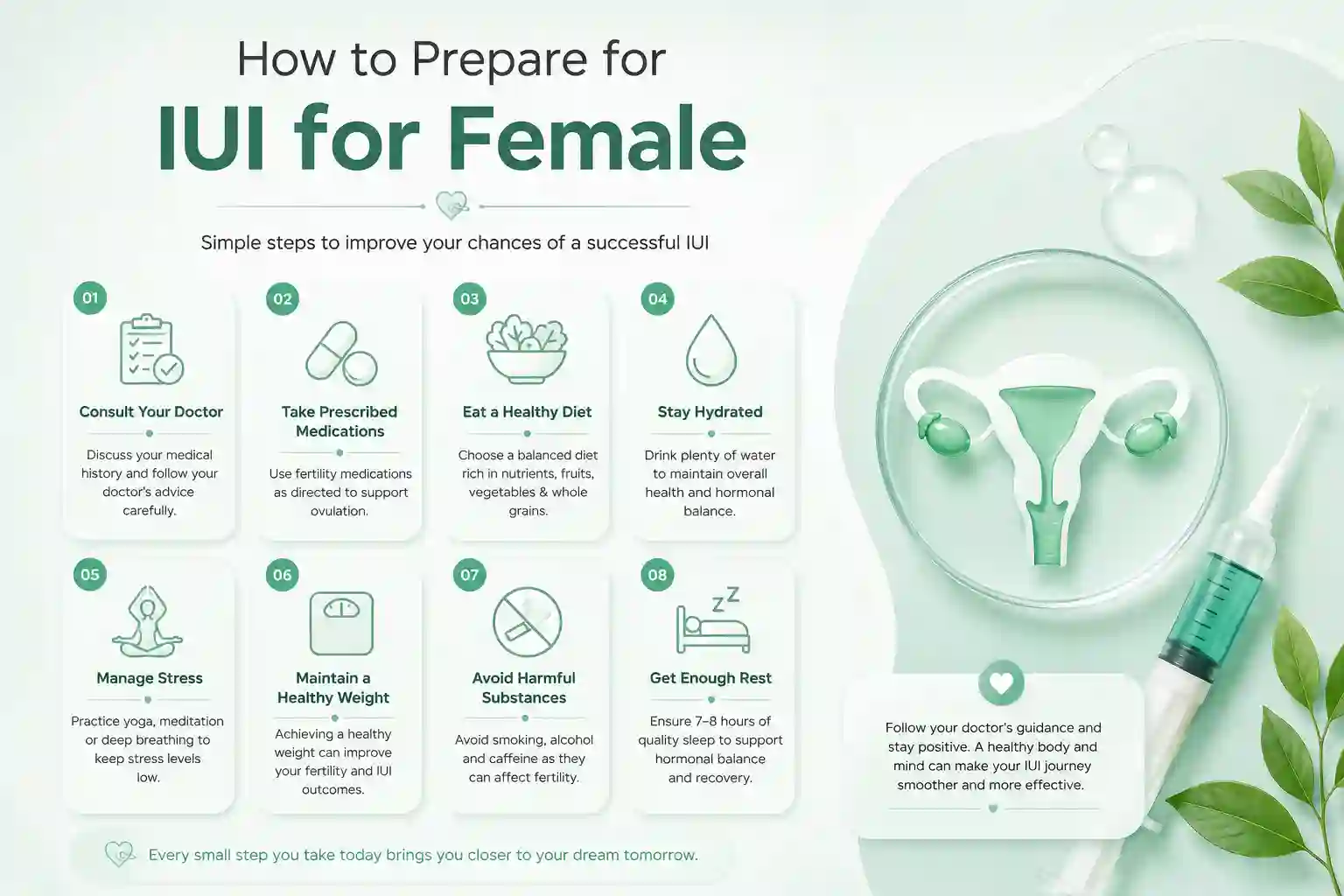
- Take prescribed medications regularly
- Avoid heavy lifting
- Stay relaxed and reduce stress
- Continue normal light activities
Strict bed rest is usually not required.
When to Take Pregnancy Test
- Typically 10–14 days after embryo transfer
- Blood test (beta hCG) confirms pregnancy
Risks and Considerations
Day 5 transfer is safe, but may involve:
- Slightly fewer embryos available (not all reach Day 5)
- Risk of multiple pregnancy (if more than one embryo is transferred)
Your doctor will guide you based on your condition.
A Day 5 IVF embryo transfer is a widely preferred method due to its higher success rate and better embryo selection.
While every case is different, this approach offers a strong chance of pregnancy when guided by an experienced fertility specialist.
If you’re planning IVF, discussing Day 5 transfer with your doctor can help you choose the best strategy for your treatment.
FAQs About Day 5 IVF Embryo Transfer
Is Day 5 embryo transfer better than Day 3?
Yes, it generally has higher success rates.
Is Day 5 transfer painful?
No, it is usually painless and quick.
How many embryos are transferred on Day 5?
Usually one or two, depending on medical advice.
When does implantation happen after Day 5 transfer?
Usually within 1–3 days after transfer.
Can all embryos reach Day 5?
No, only strong embryos develop to blastocyst stage.