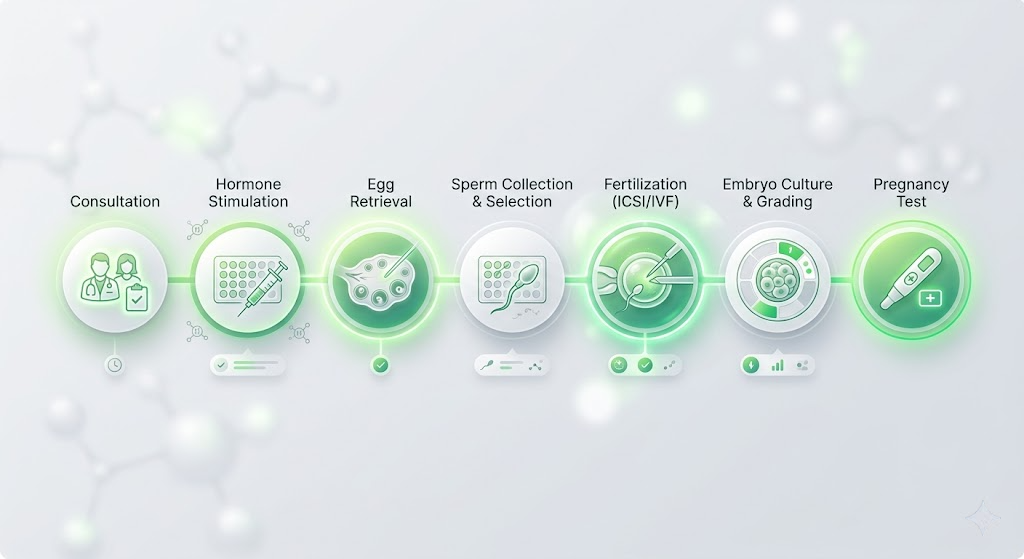
If you’re planning fertility treatment, it’s natural to feel confused or overwhelmed. Understanding the IVF treatment process can make things much clearer and less stressful.
This guide explains each step in simple terms so you know exactly what happens during IVF.
What is the IVF Treatment Process?
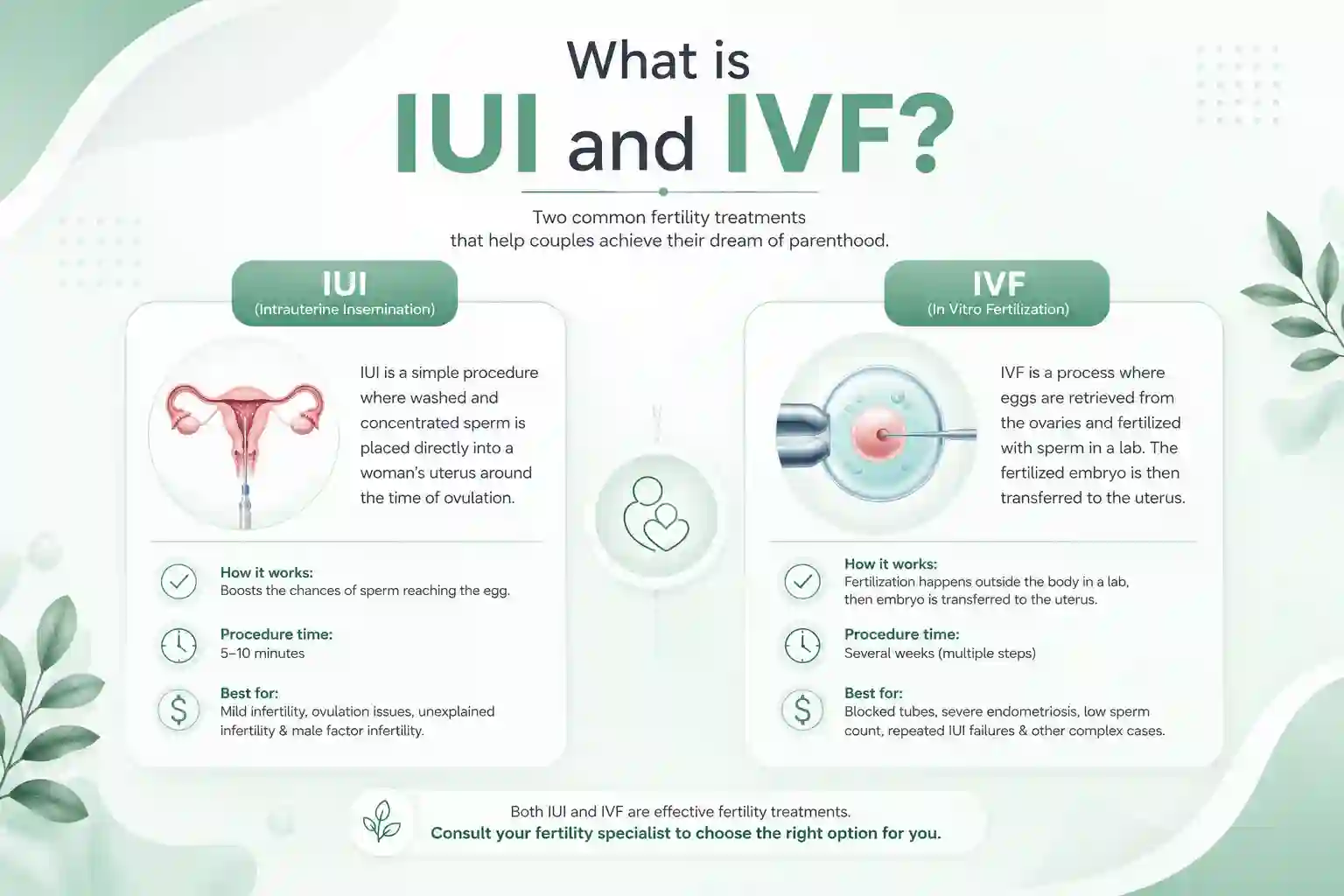
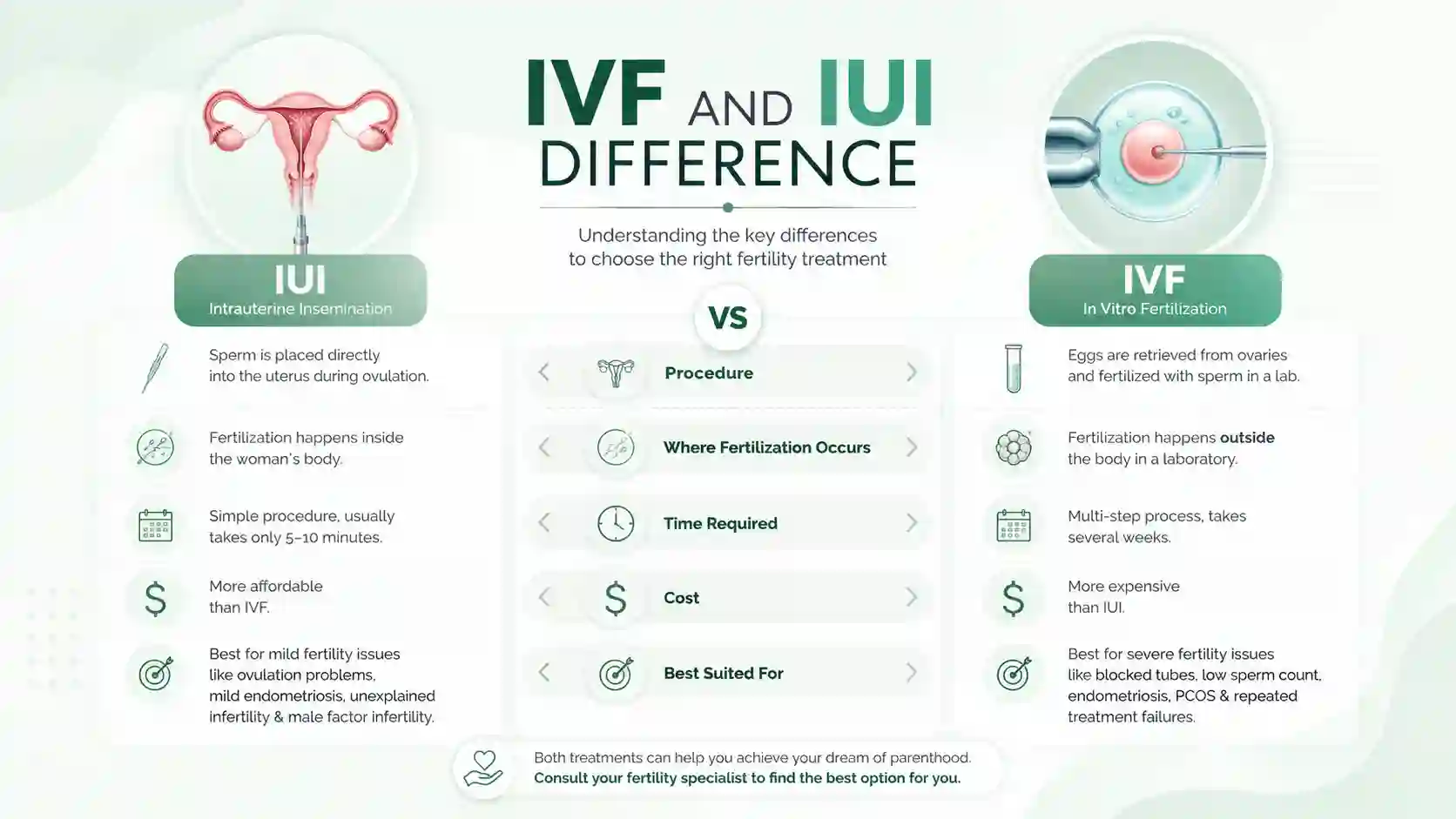
The IVF treatment process (In Vitro Fertilization) is a series of medical steps where eggs and sperm are combined outside the body, and the resulting embryo is transferred into the uterus.
It is one of the most effective treatments for infertility.
Why Understanding the IVF Treatment Process Matters
Knowing the IVF treatment process helps you:
- Feel more confident and prepared
- Follow medical instructions correctly
- Reduce anxiety during treatment
- Improve overall experience
When you know what’s coming, the journey feels more manageable.
IVF Treatment Process Step by Step
Here’s a clear breakdown of the IVF treatment process:
1. Initial Consultation & Fertility Testing
Your IVF journey begins with a specialist consultation.
Tests may include:
- Blood tests (hormones)
- Ultrasound scans
- Semen analysis
- Uterus and tube evaluation
This helps create a personalized treatment plan.
2. Ovarian Stimulation
You’ll receive hormone injections for about 8–14 days.
Purpose:
- Stimulate ovaries to produce multiple eggs
Monitoring:
- Regular ultrasounds
- Hormone level checks
3. Trigger Injection
A final injection is given to mature the eggs before retrieval.
Timing is very important in this step.
4. Egg Retrieval
A minor procedure performed under sedation.
- Eggs are collected using a thin needle
- Takes about 15–20 minutes
- Mild cramping afterward
5. Fertilization
In the lab:
- Eggs are combined with sperm
- Or ICSI is used (single sperm injected into egg)
Fertilization happens outside the body.
6. Embryo Development
Fertilized eggs grow into embryos over 3–5 days.
Doctors evaluate:
- Embryo quality
- Growth progress
7. Embryo Transfer
A healthy embryo is placed into the uterus.
- Quick and painless procedure
- No anesthesia required
8. Two-Week Wait
After transfer:
- You wait 10–14 days
- Continue medications
- Avoid stress
This is often the most emotional stage.
9. Pregnancy Test
A blood test confirms pregnancy.
- Positive → Pregnancy achieved
- Negative → Doctor discusses next steps
IVF Treatment Timeline
The full IVF treatment process usually takes:
- 4 to 6 weeks per cycle
However, timelines may vary depending on individual response.
Risks and Side Effects
The IVF treatment process is generally safe, but some patients may experience:
- Bloating
- Mood swings
- Mild pain or discomfort
- Rare complications like ovarian hyperstimulation
Doctors monitor you closely to reduce risks.
Tips to Improve IVF Success
You can support your treatment by:
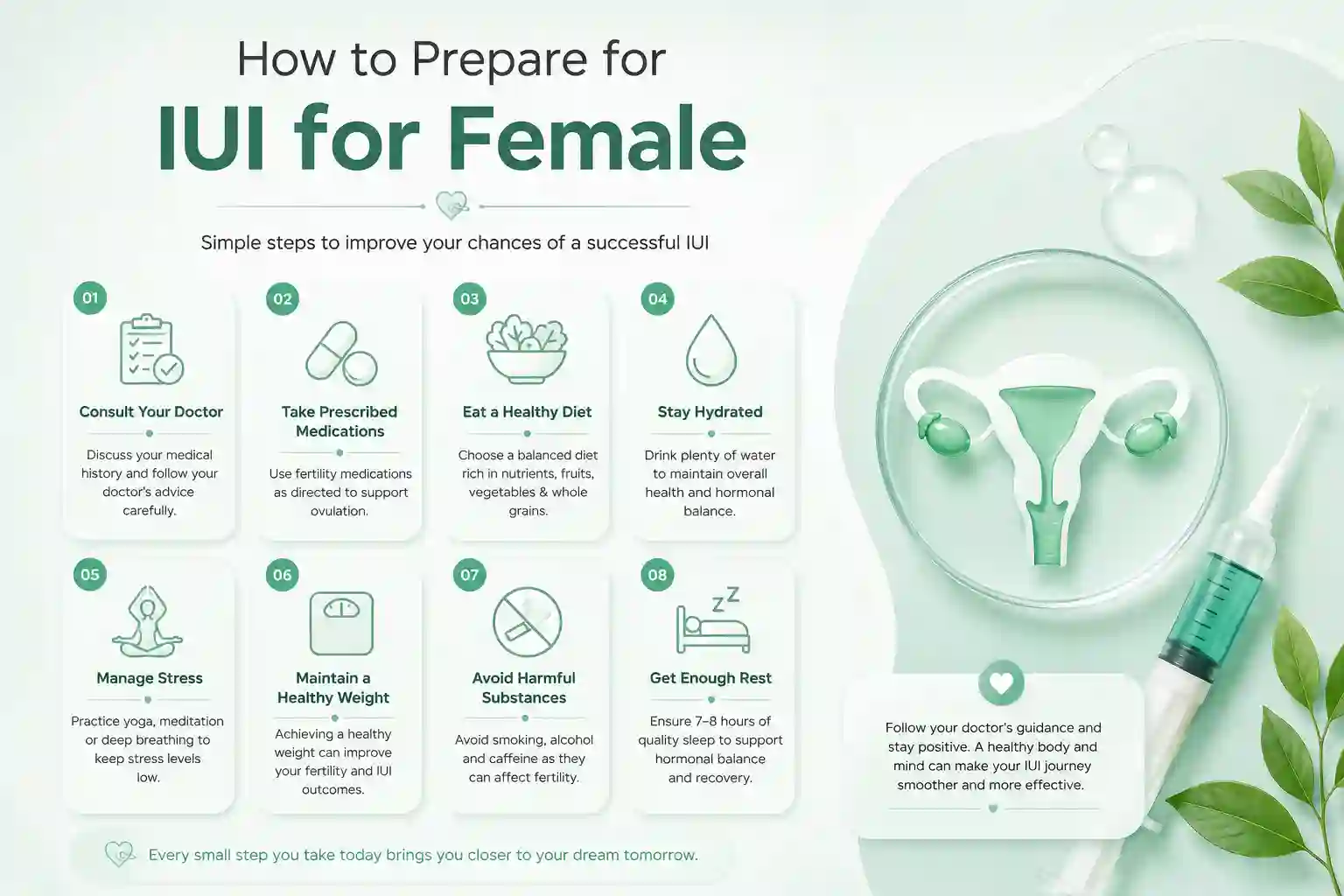
- Maintaining a healthy lifestyle
- Avoiding smoking and alcohol
- Following all medical instructions
- Managing stress levels
- Attending all appointments
When to See a Fertility Specialist
Consider IVF consultation if:
- You’ve been trying to conceive for over a year
- You’re over 35 and trying for 6 months
- You have known fertility issues
- Other treatments have failed
The IVF treatment process may seem complex at first, but each step is carefully designed to improve your chances of pregnancy.
With the right guidance and understanding, the journey becomes much more manageable. Consulting a fertility specialist is the best way to get a personalized plan and move forward with confidence.
FAQs About IVF Treatment Process
How long does the IVF treatment process take?
Usually 4–6 weeks for one cycle.
Is the IVF process painful?
Most steps involve mild discomfort, not severe pain.
How many steps are in IVF treatment?
There are about 8–9 key steps from testing to pregnancy confirmation.
Can IVF work on the first attempt?
Yes, many patients succeed in their first cycle.
What is the hardest part of IVF?
The waiting period after embryo transfer is often the most emotional.