If you’re planning fertility treatment, one of the first questions that comes to mind is: “What is the IVF success rate?”
The answer depends on several factors, but in general, the IVF success rate ranges between 30% to 50% per cycle. Understanding what affects your chances can help you set realistic expectations and plan better.
What is IVF Success Rate?
The IVF success rate refers to the percentage of IVF cycles that result in a successful pregnancy or live birth.
It can be measured in different ways:
- Pregnancy rate (positive test)
- Clinical pregnancy (confirmed by ultrasound)
- Live birth rate (most important measure)
Doctors usually focus on live birth rates for accuracy.
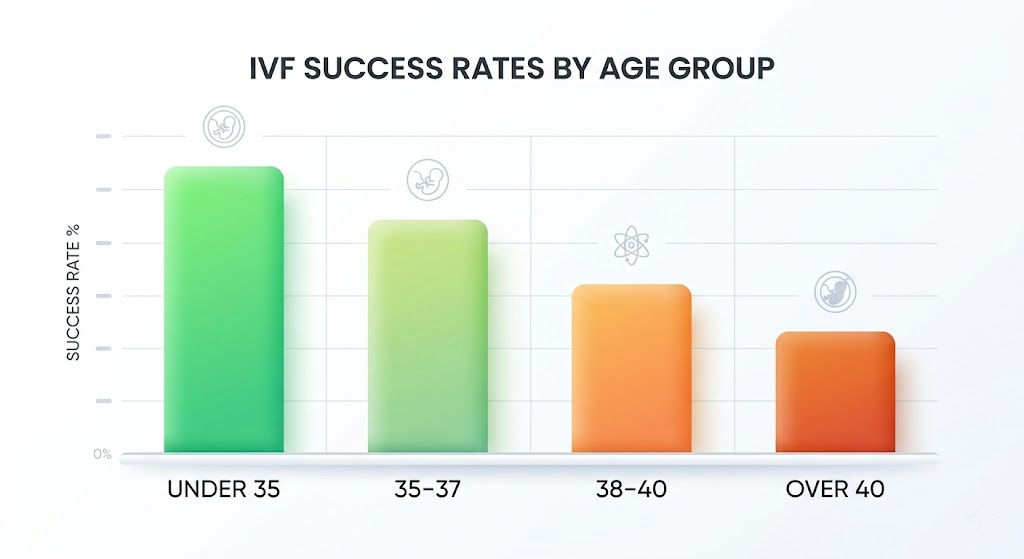
IVF Success Rate by Age
Age is the most important factor affecting IVF success.
Under 35 Years
- Success rate: 45%–55% per cycle
- Higher egg quality and better outcomes
Age 35–37
- Success rate: 35%–45%
- Slight decline begins
Age 38–40
- Success rate: 25%–35%
- Reduced egg quality
Over 40
- Success rate: 10%–20%
- Lower chances, may need advanced options
Factors That Affect IVF Success Rate
Several key factors influence the IVF success rate:
1. Egg Quality and Age
Younger eggs are healthier and more likely to result in pregnancy.
2. Sperm Quality
Low sperm count or motility can reduce fertilization success.
3. Embryo Quality
Higher-quality embryos increase implantation chances.
4. Uterine Health
A healthy uterus improves the chances of embryo implantation.
5. Lifestyle Factors
- Smoking
- Alcohol
- Obesity
- Stress
These can negatively impact outcomes.
How Many IVF Cycles Are Usually Needed?
Not all patients succeed in the first attempt.
- Some conceive in 1 cycle
- Others may need 2–3 cycles
- Success often improves over multiple attempts
Doctors adjust treatment plans after each cycle.
Ways to Improve IVF Success Rate
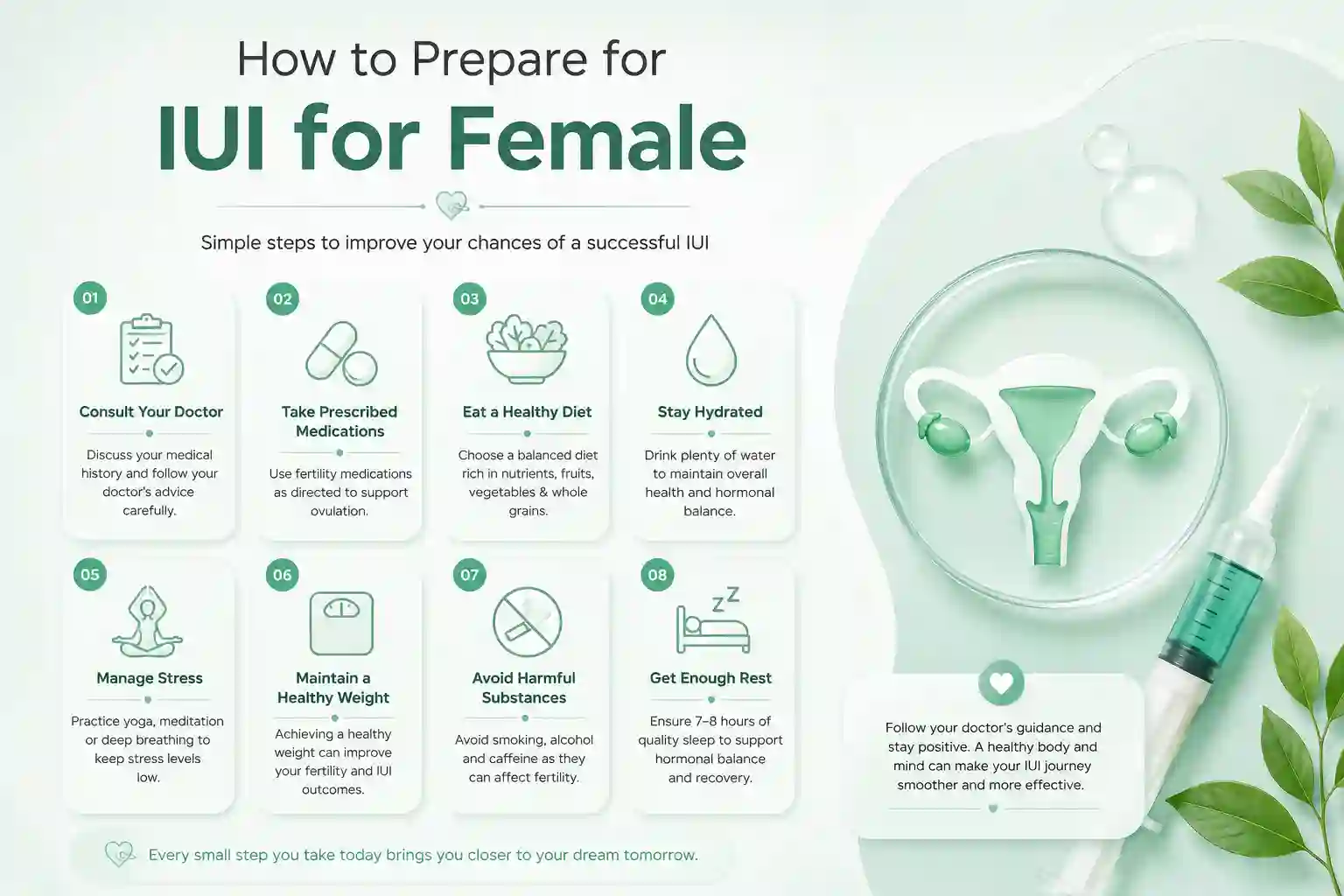
You can increase your chances by:
- Maintaining a healthy weight
- Avoiding smoking and alcohol
- Following medication schedules strictly
- Managing stress levels
- Choosing an experienced fertility clinic
Small improvements can have a big impact.
Does IVF Guarantee Pregnancy?
No treatment can guarantee pregnancy.
However, IVF significantly increases the chances compared to natural conception in many infertility cases.
When to Consider IVF
You may consider IVF if:
- You’ve been trying to conceive for over a year
- You’re over 35 and trying for 6 months
- You have known fertility issues
- Other treatments have failed
Early consultation improves outcomes.
The IVF success rate depends on age, health, and individual factors—but it offers real hope for many couples facing infertility.
While success may not happen immediately, the right medical guidance and lifestyle choices can greatly improve your chances.
If you’re considering IVF, consulting a fertility specialist can help you understand your personal success rate and create a plan tailored to you.
FAQs About IVF Success Rate
What is the average IVF success rate?
Typically around 30%–50% per cycle, depending on age and health.
Is IVF more successful on the second try?
Yes, success rates may improve after the first cycle as doctors adjust treatment.
Can lifestyle affect IVF success rate?
Yes, smoking, diet, and stress can impact results.
What age has the highest IVF success rate?
Women under 35 generally have the highest success rates.
Can IVF work on the first attempt?
Yes, many patients conceive in their first cycle.