Struggling to conceive can be emotionally overwhelming for many couples. If natural pregnancy isn’t happening, you may have heard about what is IVF treatment and how it helps people become parents.
IVF (In Vitro Fertilization) is one of the most advanced and effective fertility treatments available today. It offers hope to couples facing infertility and increases the chances of a successful pregnancy with modern medical support.
What Is IVF Treatment?
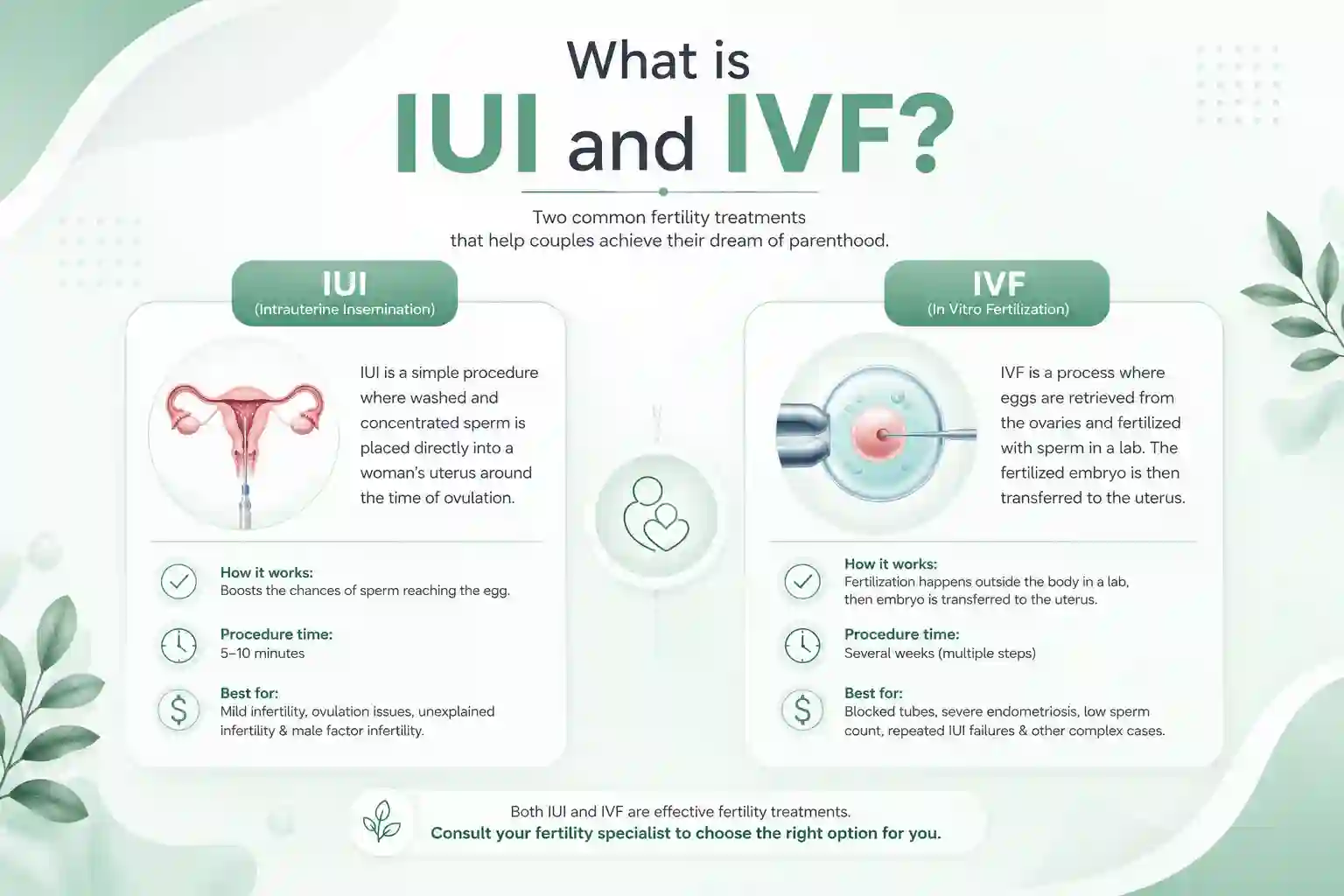
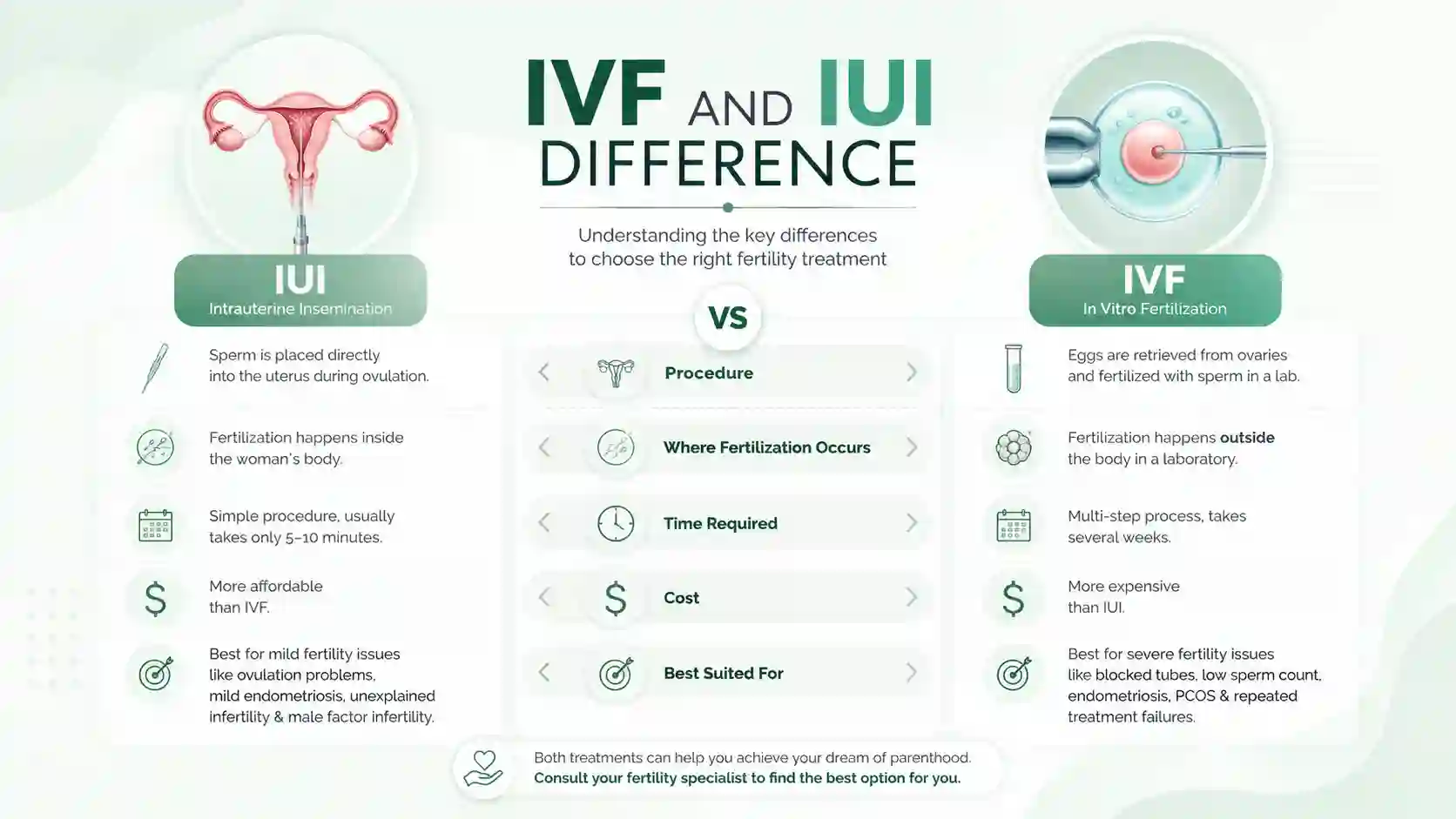
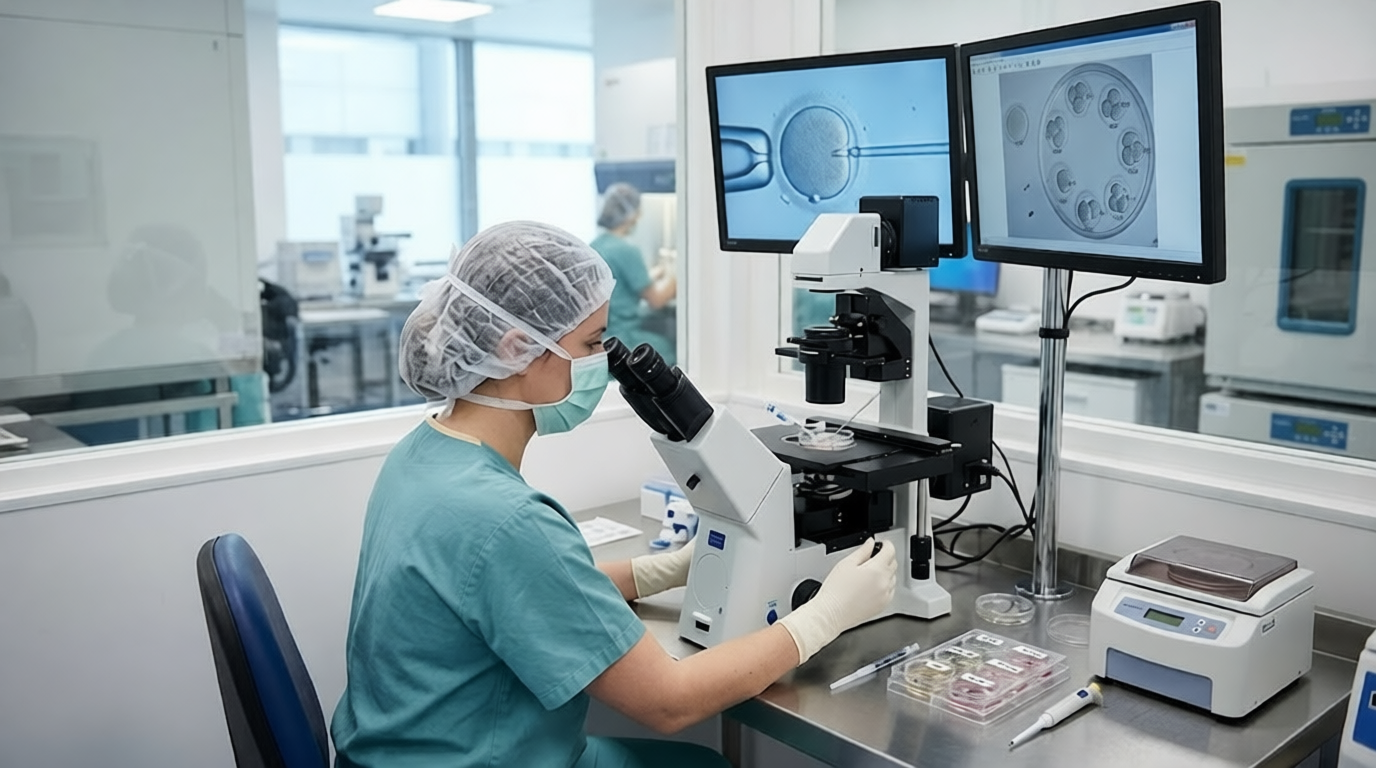
What is IVF treatment? IVF (In Vitro Fertilization) is a medical procedure where an egg is fertilized with sperm outside the body in a laboratory. The fertilized egg (embryo) is then transferred into the uterus for pregnancy.
It is commonly used when other fertility treatments have not worked.
Why IVF Treatment Is Important
IVF treatment plays a crucial role in modern reproductive medicine. It helps couples overcome complex fertility challenges that may not be treatable otherwise.
Key benefits include:
- Higher chances of pregnancy compared to some other treatments
- Helps in both male and female infertility
- Allows use of donor eggs or sperm
- Enables genetic testing of embryos
For many couples, IVF becomes the most reliable path to parenthood.
Symptoms or Signs You May Need IVF
While infertility itself is the main concern, certain signs may indicate the need for IVF treatment:
- Trying to conceive for over 1 year without success
- Irregular or absent menstrual cycles
- Known low sperm count or quality
- Repeated pregnancy loss
- Age above 35 with difficulty conceiving
If you notice these signs, it’s important to consult a fertility specialist.
Causes and Risk Factors
Several underlying issues can lead to infertility requiring IVF treatment:
- Blocked or damaged fallopian tubes
- Ovulation disorders (like PCOS)
- Endometriosis
- Male infertility issues
- Hormonal imbalances
- Advanced maternal age
Identifying the exact cause helps in planning the right treatment approach.
Diagnosis and Tests
Before starting IVF treatment, doctors perform a detailed evaluation:
- Blood tests for hormone levels
- Ultrasound scans
- Semen analysis
- Ovarian reserve testing
These tests ensure a personalized and effective treatment plan.
IVF Treatment Process (Step-by-Step)
Understanding what is IVF treatment becomes easier when you know the steps:
1. Ovarian Stimulation
Medications are given to produce multiple eggs.
2. Egg Retrieval
Eggs are collected through a minor procedure.
3. Fertilization
Eggs and sperm are combined in a lab.
4. Embryo Development
Embryos are monitored for quality.
5. Embryo Transfer
A healthy embryo is placed into the uterus.
6. Pregnancy Test
A test confirms if implantation was successful.
Treatment Options and Variations
IVF treatment can be customized based on patient needs:
- Standard IVF
- ICSI (Intracytoplasmic Sperm Injection)
- Donor egg or sperm IVF
- Frozen embryo transfer (FET)
A specialist will guide you on the best option.
Preventive Care and Lifestyle Tips
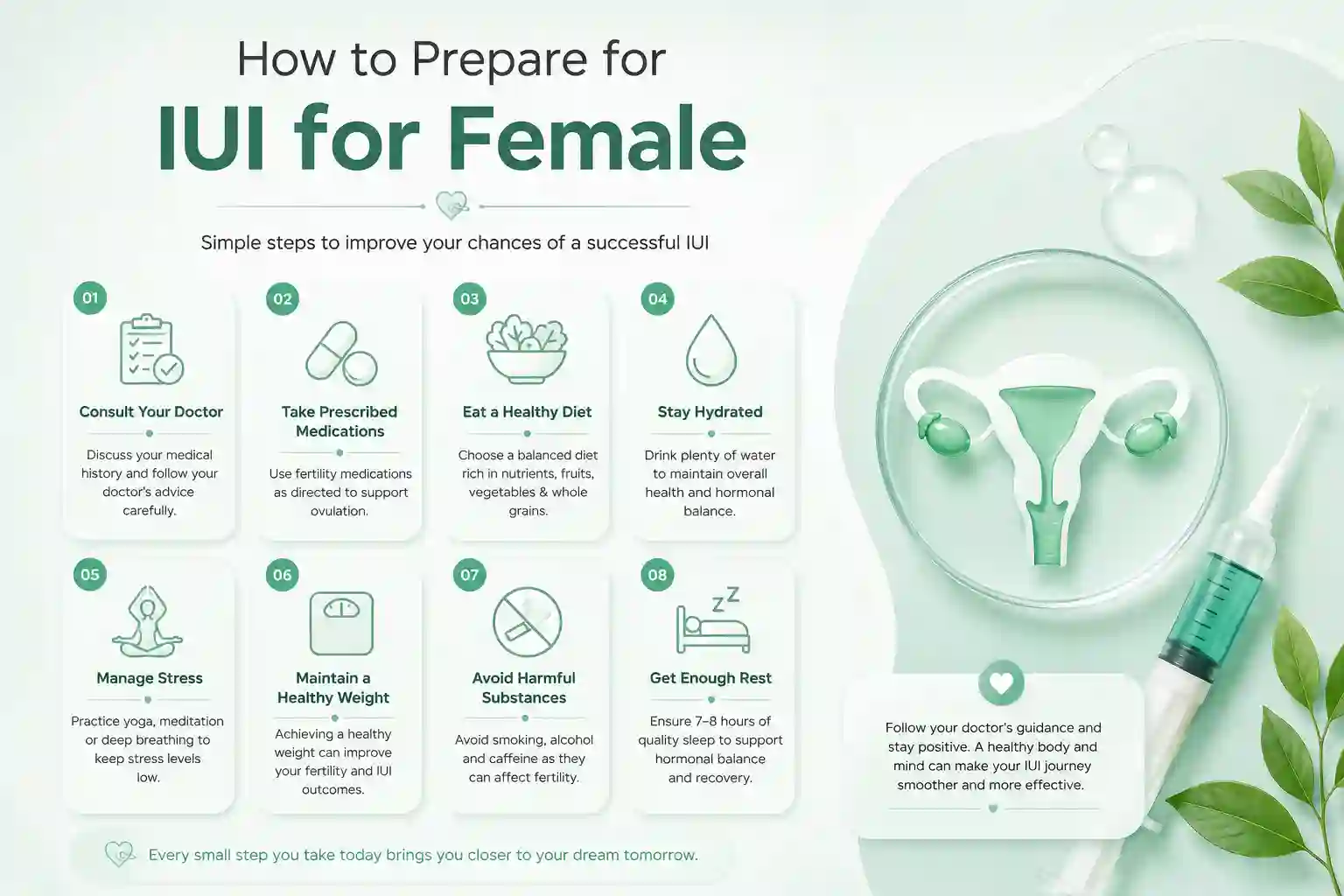
While IVF is a medical procedure, lifestyle plays a big role in success:
- Maintain a healthy weight
- Eat a balanced diet
- Avoid smoking and alcohol
- Manage stress levels
- Follow doctor’s advice strictly
Healthy habits can improve treatment outcomes.
When to See a Doctor
You should consult a fertility specialist if:
- You’ve been trying to conceive for 12 months (or 6 months if over 35)
- You have known reproductive issues
- You experience irregular periods
- You’ve had multiple miscarriages
Early consultation increases the chances of success.
Understanding what is IVF treatment can help you make informed decisions about your fertility journey. IVF has transformed countless lives by making parenthood possible even in complex cases.
If you’re facing difficulties in conceiving, don’t wait. Consult a specialist, explore your options, and take the first step toward building your family.
👉 Book an appointment today and get expert guidance tailored to your needs.
FAQs
What is IVF treatment and how successful is it?
IVF is a lab-based fertilization process with success rates depending on age and health conditions.
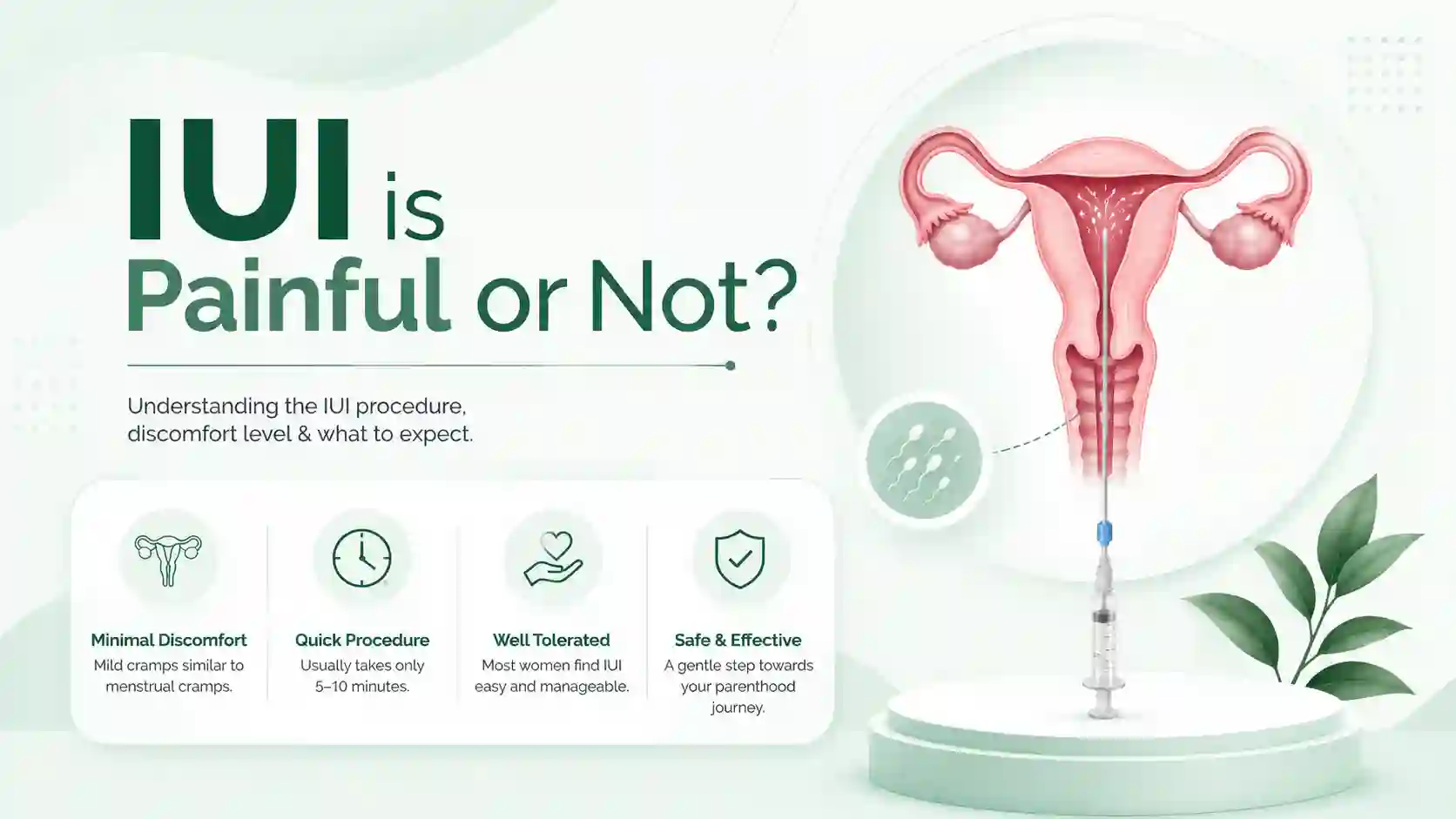
Is IVF treatment painful?
Most procedures are minimally invasive and cause mild discomfort.
How long does IVF take?
One cycle typically takes 4–6 weeks.
Can IVF guarantee pregnancy?
No, but it significantly improves the chances compared to natural methods.
What is the cost of IVF treatment?
Costs vary depending on location, clinic, and required procedures.