SEO Title: How Much Sperm Is Used for IUI? Everything You Need to Know
Meta Description: Learn how much sperm is used for IUI, the ideal sperm count, sperm washing process, and how sperm quality affects IUI success rates.
How Much Sperm Is Used for IUI? Understanding Sperm Count and Preparation
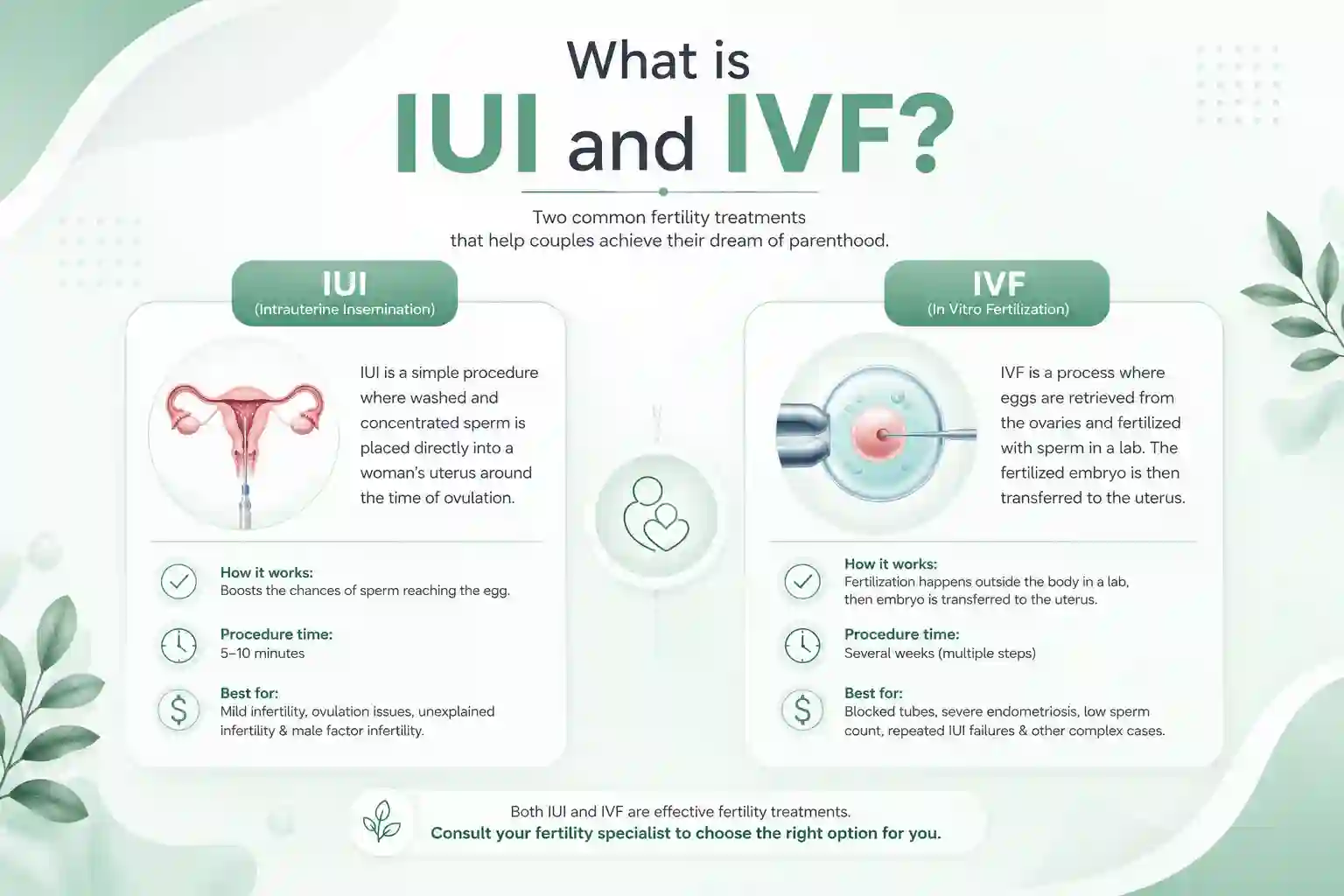
If you’re planning to undergo intrauterine insemination (IUI), you may wonder, “How much sperm is used for IUI?” This is a common question for couples preparing for fertility treatment. While the semen sample collected before the procedure may contain millions of sperm, only a small, highly concentrated volume of healthy sperm is actually used during the insemination.
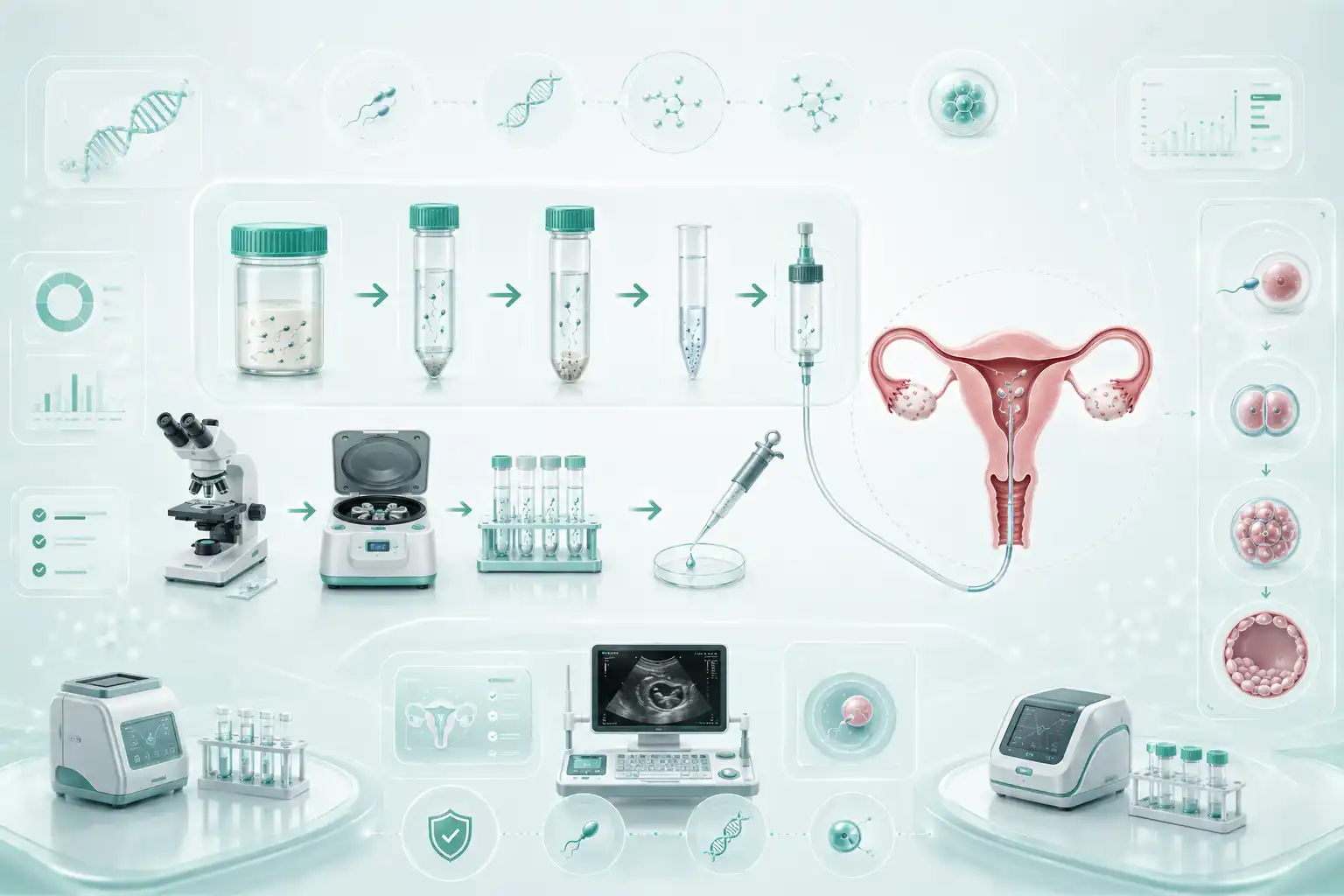
The goal of IUI is not to use a large amount of semen but to place a concentrated sample of healthy, motile sperm directly into the uterus at the optimal time for fertilization. The sperm is first processed through a technique called sperm washing, which removes seminal fluid, debris, and poorly moving sperm before the final sample is prepared.
This guide explains how much sperm is used for IUI, what sperm count is considered ideal, and how sperm quality influences the chances of pregnancy.
How Much Sperm Is Used for IUI?
After sperm washing, the fertility specialist typically places about 0.3–0.5 mL of concentrated sperm into the uterus during the IUI procedure.
Although the inseminated volume is small, it contains a concentrated number of healthy, motile sperm selected from the original semen sample.
The exact volume may vary slightly depending on:
- The fertility clinic’s laboratory protocol
- The quality of the semen sample
- The sperm preparation technique used
How Much Sperm Count Is Needed for IUI?
There is no single minimum sperm count that guarantees success.
However, many fertility specialists prefer a post-wash total motile sperm count (TMSC) of at least 5–10 million, as pregnancy rates tend to be higher within this range.
General guidance:
| Post-Wash Total Motile Sperm Count | Interpretation |
| Less than 1 million | Lower chance of success |
| 1–5 million | Possible pregnancy, but success rates may be lower |
| 5–10 million | Generally considered a favorable range |
| More than 10 million | Often associated with better pregnancy potential |
Keep in mind that pregnancy can still occur with lower sperm counts, and not every cycle with a high sperm count results in pregnancy.
Why Is Only a Small Amount of Sperm Used?
The semen sample collected before IUI contains:
- Seminal fluid
- Healthy sperm
- Immature sperm
- Dead sperm
- White blood cells
- Other debris
The purpose of sperm washing is to remove unnecessary components and concentrate the healthiest sperm into a very small volume for insemination.
This improves the efficiency of the procedure and helps healthy sperm reach the fallopian tubes more easily.
Step-by-Step: How Sperm Is Prepared for IUI
Step 1: Semen Collection
A semen sample is collected from the partner or donor on the day of the procedure.
Step 2: Laboratory Analysis
The laboratory evaluates:
- Sperm count
- Motility (movement)
- Morphology (shape)
- Overall semen quality
Step 3: Sperm Washing
The semen is processed to remove:
- Seminal plasma
- Dead sperm
- Debris
- Immobile sperm
The healthiest sperm are concentrated into a small volume.
Step 4: Preparation for IUI
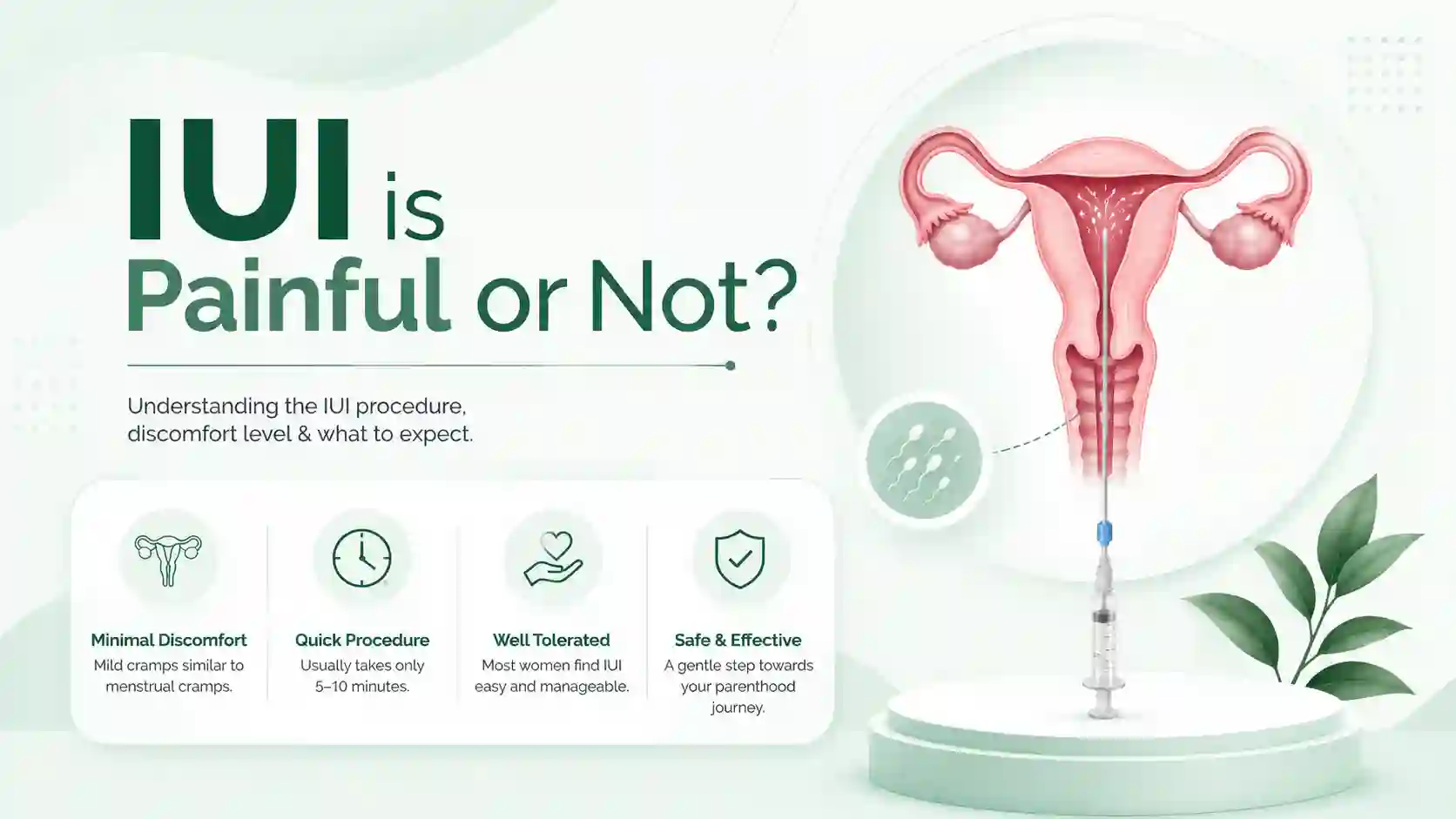
The final washed sample is loaded into a sterile syringe attached to a thin catheter.
Step 5: Insemination
Approximately 0.3–0.5 mL of the prepared sperm sample is gently placed into the uterus during the IUI procedure.
Factors That Affect IUI Success
The amount of sperm used is only one factor that influences pregnancy rates.
Other important factors include:
Female Age
Egg quality naturally declines with age, affecting fertility outcomes.
Sperm Motility
Healthy, actively moving sperm are essential for successful fertilization.
Sperm Morphology
Normal sperm shape may improve the ability to fertilize the egg.
Ovulation Timing
Accurate timing of insemination is one of the most important predictors of IUI success.
Overall Reproductive Health
The condition of the uterus, fallopian tubes, and ovaries also influences treatment outcomes.
Benefits of Sperm Washing
Sperm washing offers several advantages:
- Concentrates healthy, motile sperm
- Removes harmful substances from semen
- Reduces uterine irritation
- Improves sperm quality before insemination
- Helps maximize the chance of fertilization
Risks, Side Effects, or Limitations
Although IUI is a safe procedure, it’s important to understand that:
- A high sperm count does not guarantee pregnancy.
- Pregnancy can still occur with lower sperm counts.
- Female fertility factors play an equally important role.
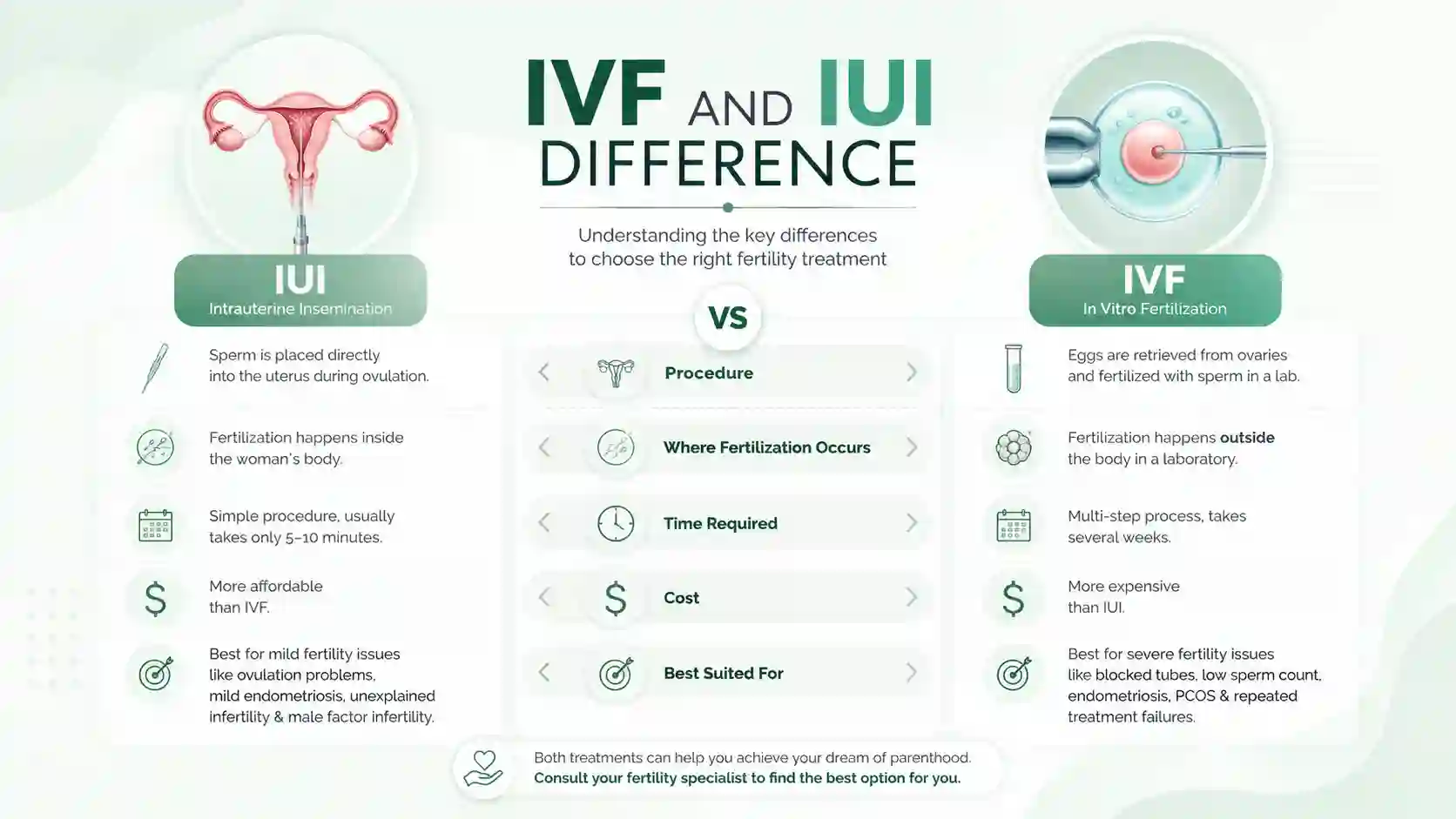
- Some couples with severe male factor infertility may benefit more from IVF with ICSI.
Your fertility specialist will recommend the most appropriate treatment based on your individual circumstances.
Emotional & Patient Perspective
It’s natural to worry if your semen analysis shows a lower-than-average sperm count.
However, remember that IUI success depends on many factors—not sperm count alone. Fertility specialists evaluate the complete clinical picture, including age, ovulation, egg quality, sperm quality, and reproductive health, before recommending treatment.
Even if your sperm count is lower than expected, your fertility team can discuss whether IUI remains appropriate or whether another treatment option may offer a higher chance of pregnancy.
Tips Before Providing a Semen Sample
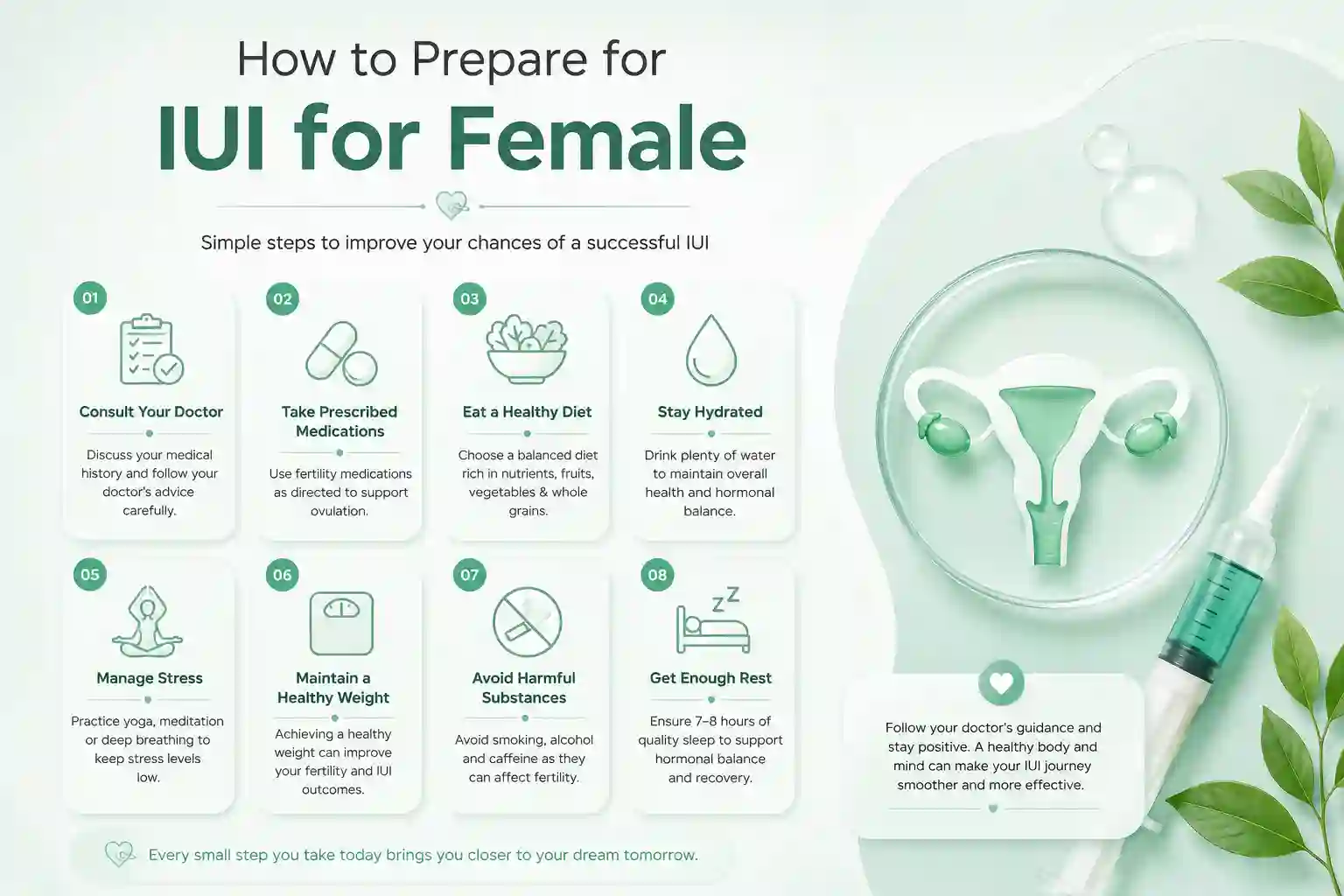
To help optimize sperm quality:
- Follow your fertility clinic’s instructions regarding abstinence before collection (often 2–5 days, depending on your clinic).
- Stay well hydrated.
- Avoid smoking and recreational drugs.
- Limit alcohol intake.
- Get adequate sleep.
- Inform your fertility specialist about any recent illness or fever.
These steps may help improve semen quality for the procedure.
When to See a Fertility Specialist
Consult your fertility specialist if:
- Your semen analysis shows a low sperm count or poor motility.
- You have questions about sperm washing or IUI preparation.
- You have experienced previous unsuccessful IUI cycles.
- You would like to discuss whether IUI or IVF is more suitable for your situation.
A personalized fertility assessment can help determine the best treatment approach.
Conclusion
If you’re wondering how much sperm is used for IUI, the answer is that fertility specialists typically use about 0.3–0.5 mL of washed, concentrated sperm during the procedure. Although the volume is small, it contains carefully selected healthy, motile sperm prepared through sperm washing. Success depends on much more than the amount of sperm used—factors such as sperm quality, egg quality, ovulation timing, female age, and overall reproductive health all play important roles. Working closely with your fertility specialist and following your treatment plan offers the best opportunity for a successful outcome.
FAQs About How Much Sperm Is Used for IUI
1. How much sperm is injected during IUI?
Most fertility clinics use approximately 0.3–0.5 mL of washed, concentrated sperm during the IUI procedure.
2. What is the ideal sperm count for IUI?
Many fertility specialists consider a post-wash total motile sperm count of 5–10 million or higher to be a favorable range, although pregnancy can occur with lower counts.
3. Why is sperm washed before IUI?
Sperm washing removes seminal fluid, dead sperm, debris, and other unwanted cells while concentrating healthy, motile sperm for insemination.
4. Can IUI work with a low sperm count?
Yes. Pregnancy is still possible with a lower sperm count, although success rates may be reduced depending on the severity of male factor infertility and other fertility factors.
5. Does using more sperm improve IUI success?
Not necessarily. Sperm quality, motility, timing of ovulation, egg quality, and female reproductive health are generally more important than simply increasing the volume of sperm used.
6. Is donor sperm prepared differently for IUI?
Donor sperm also undergoes laboratory preparation according to established protocols before being used for insemination.
7. What if my sperm count is too low for IUI?
Your fertility specialist may recommend repeating the semen analysis, treating any underlying cause, or discussing alternative fertility treatments such as IVF with ICSI, depending on your individual situation.