
If you’re planning fertility treatment, you may be asking: “What are IVF eggs and why are they important?”
IVF eggs are the eggs (oocytes) collected from a woman’s ovaries during IVF treatment. Their quality and number play a major role in determining the success of IVF.
What Are IVF Eggs?
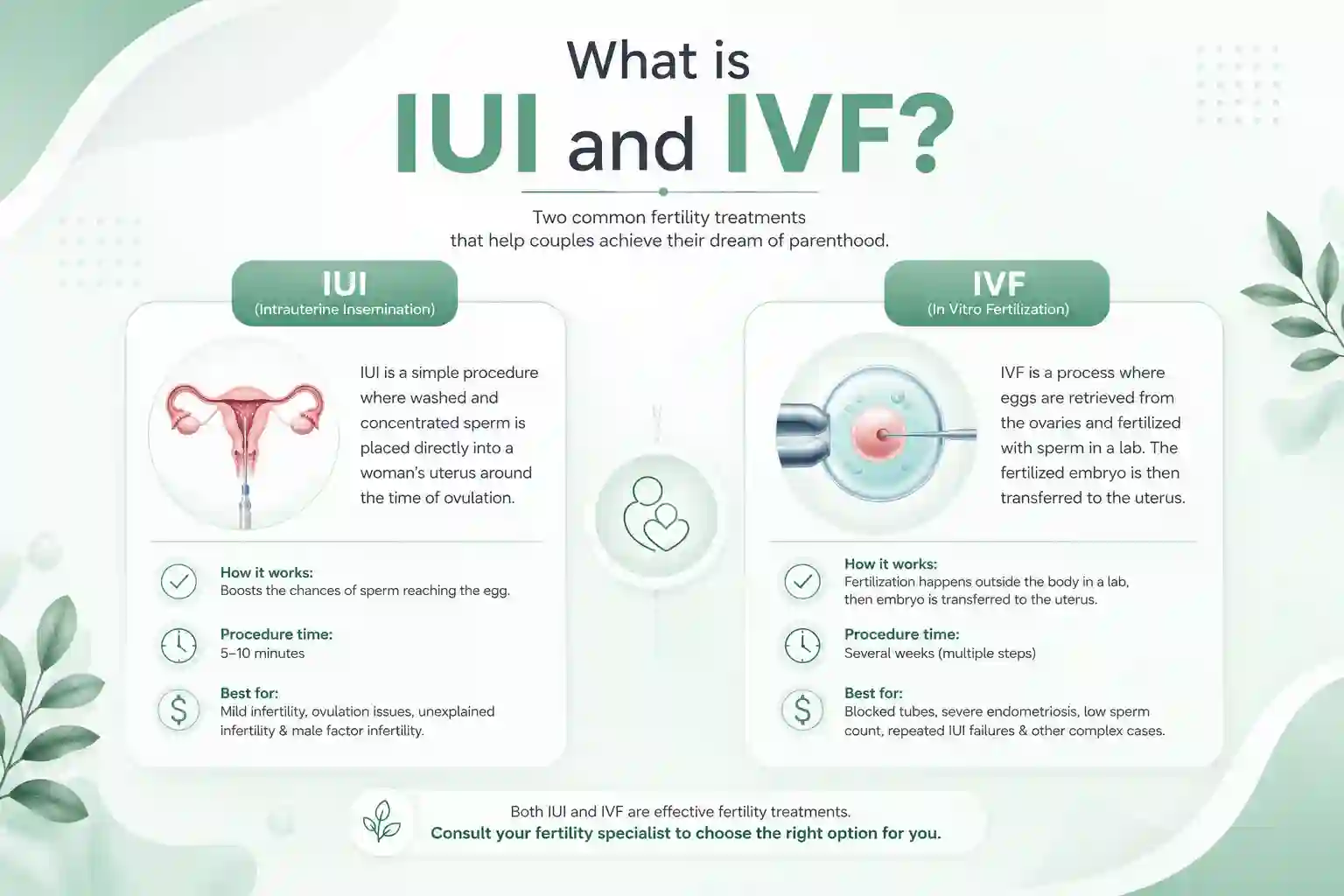
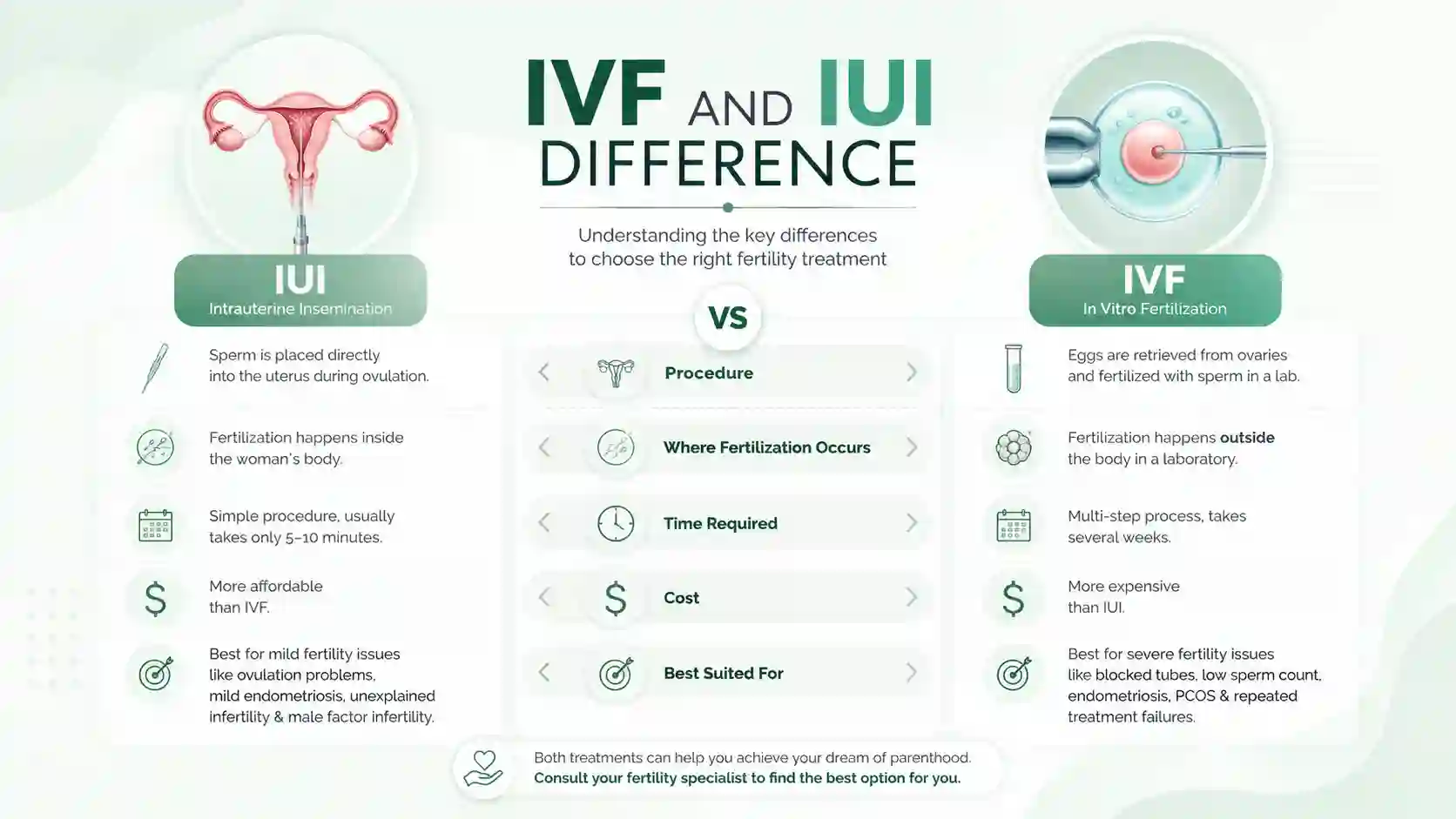
IVF eggs are mature eggs retrieved from the ovaries after hormone stimulation. These eggs are then fertilized with sperm in a laboratory to create embryos.
Why IVF Eggs Are Important
The success of IVF depends heavily on IVF eggs because:
- Healthy eggs increase fertilization chances
- Better egg quality leads to stronger embryos
- More eggs increase the chances of selecting a viable embryo
How IVF Eggs Are Collected
1. Ovarian Stimulation
- Hormone injections stimulate ovaries
- Multiple eggs develop instead of one
2. Monitoring
- Ultrasound tracks follicle growth
- Blood tests check hormone levels
3. Egg Retrieval Procedure
- Eggs are collected using a thin needle
- Done under sedation
- Takes about 15–20 minutes
How Many IVF Eggs Are Needed?
There is no fixed number, but:
- 8–15 eggs → considered a good range
- Fewer eggs → lower chances
- More eggs → higher chances, but quality matters more
Even a few high-quality eggs can lead to success.
IVF Eggs and Age
Age is the most important factor affecting IVF eggs:
- Under 35 → better egg quality
- 35–40 → gradual decline
- Over 40 → significant reduction in egg quality
Factors Affecting IVF Egg Quality
- Age
- Hormonal balance
- Lifestyle (smoking, alcohol, stress)
- Medical conditions (PCOS, endometriosis)
What Happens After Egg Retrieval?
After IVF eggs are collected:
- Eggs are fertilized with sperm
- Embryos are formed
- Best embryo is selected
- Embryo is transferred into the uterus
Can You Improve IVF Egg Quality?
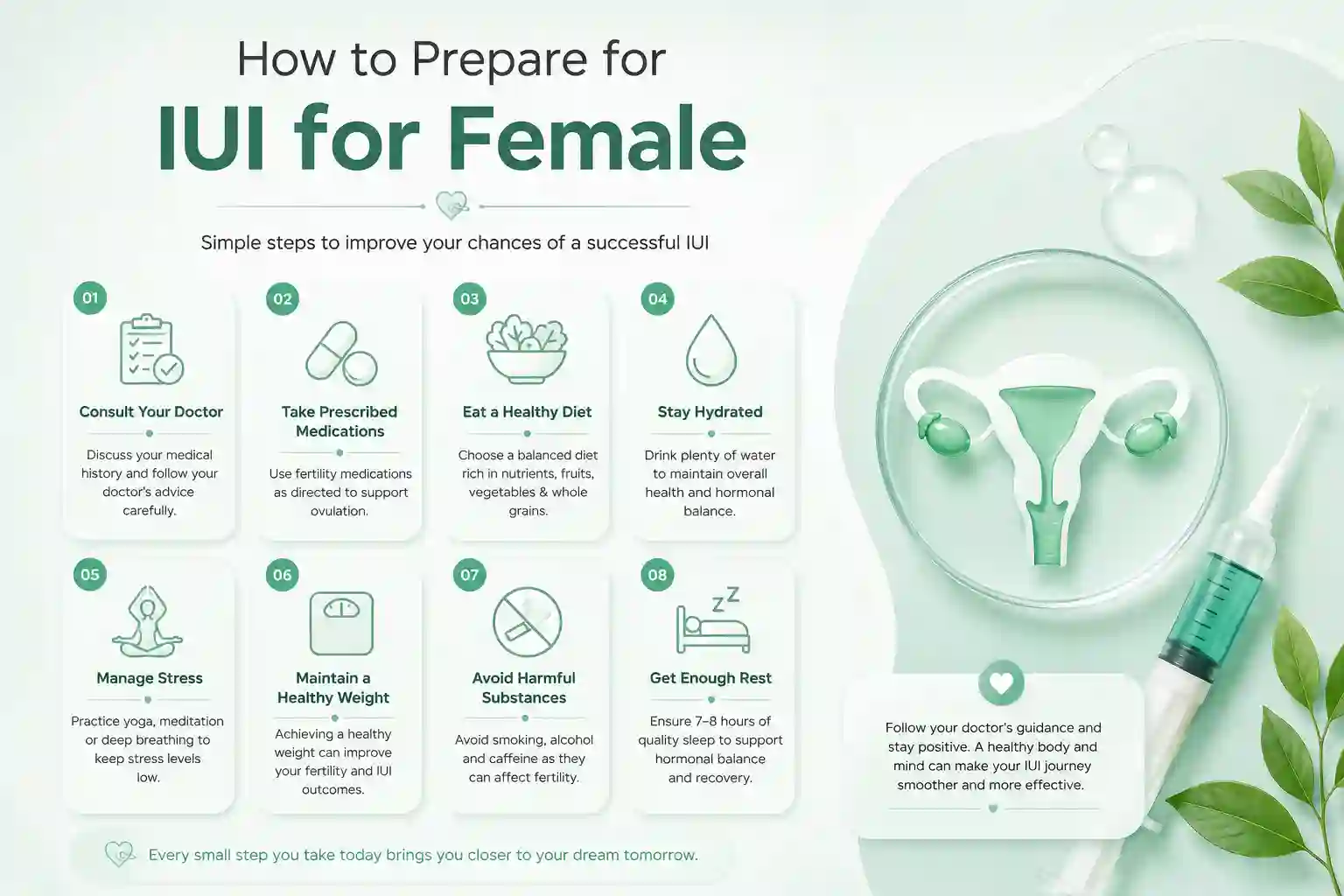
While age cannot be changed, you can support egg health by:
- Maintaining a healthy diet
- Avoiding smoking and alcohol
- Managing stress
- Following medical advice
Risks Related to IVF Eggs
- Mild discomfort after retrieval
- Temporary bloating
- Rare complications like ovarian hyperstimulation
Doctors monitor closely to ensure safety.
When to See a Doctor
Consult a fertility specialist if:
- You’re planning IVF
- You have low ovarian reserve
- You’ve had previous IVF failure
IVF eggs are a critical part of fertility treatment, directly influencing the chances of success. Understanding how they are collected and what affects their quality can help you prepare better for IVF.
A consultation with a specialist will give you a clear idea of your egg health and treatment options.
FAQs About IVF Eggs
What are IVF eggs?
Eggs collected from ovaries for fertilization during IVF.
How many IVF eggs are ideal?
Around 8–15 eggs is considered a good range.
Does more eggs mean higher success?
Not always—quality matters more than quantity.
Are IVF eggs collected painfully?
No, the procedure is done under sedation.
Can egg quality be improved?
Lifestyle changes can help, but age is the main factor.